

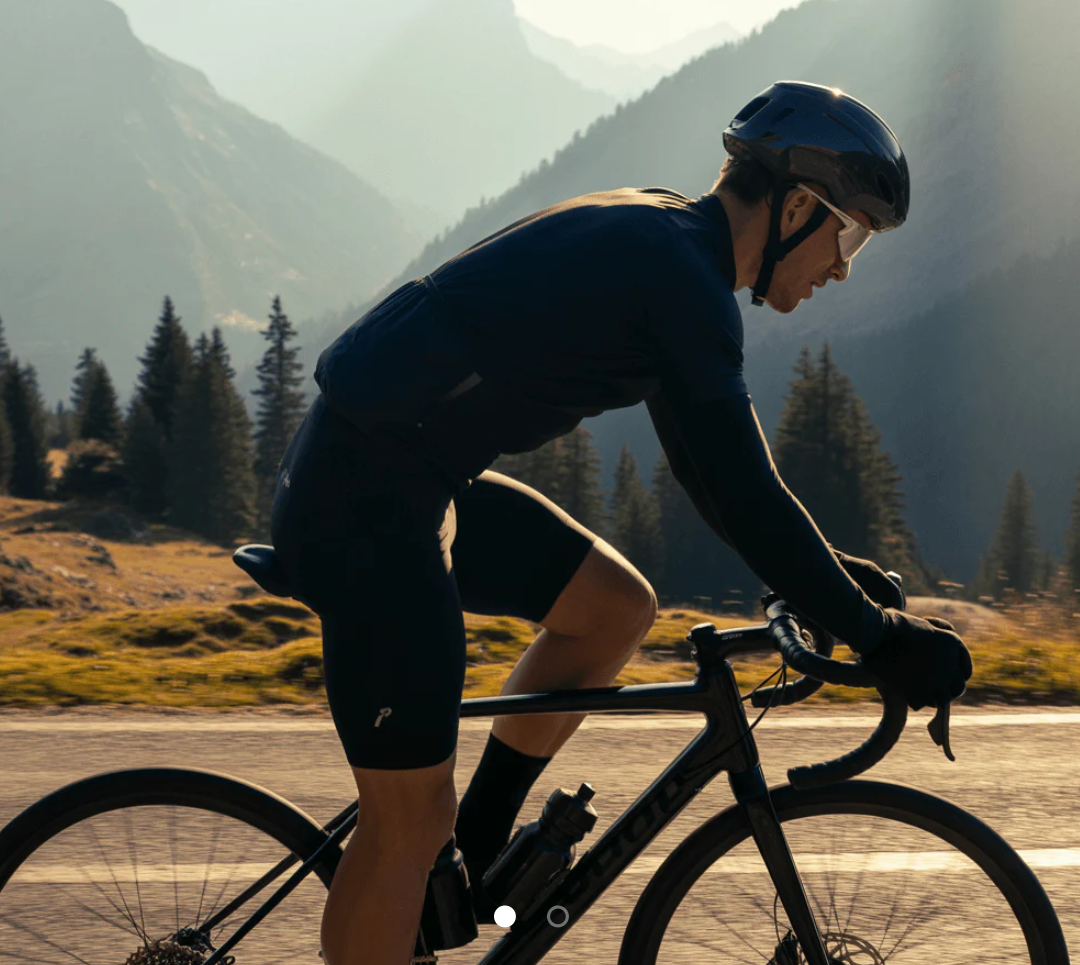
Problem diagnosis — what actually breaks on a long descent
I was on the north face of Uludağ on 12 June 2023 when a seam split after a 3-hour stage; 27% of riders I later surveyed reported similar mid-ride failures — how did we accept that as normal? I focus here on mens mountain bike bib shorts and the specific failure modes that quietly ruin rides. Early in my retail career I recommended the usual padded shorts, but repeated returns and direct rider feedback forced me to look deeper (no fuss). The common issues are predictable: chamois bunching, strap pressure points, and fabrics that lose moisture-wicking ability after repeated washes. I test products in real conditions — singletrack runs in Bursa, factory bench tests on 18 August 2021 — so my critiques are not theoretical. The hidden pain is not only comfort; it’s reduced control, extra chafing, and, in some cases, catastrophic seam failure on technical climbs. Up next: a forward-looking comparison of viable fixes.
Why the traditional fixes fall short?
Manufacturers often treat bib shorts like road kit: thin chamois, minimal seam reinforcement, basic mesh bib straps. That works on paved stages with fewer abrupt shocks. On trails, repeated impacts multiply micro-movements between skin and pad—this shearing leads to pad migration and fabric abrasion. I remember a June 2022 demo where a “trail-specific” model lost 12% of its pad adhesion after a single wet loop; riders complained of numbness and repositioning mid-ride. From my wholesale perspective, these are not niche complaints — they affect reorder rates and dealer trust. The technical terms matter: chamois placement, seam placement, and breathability directly map to ride performance. These are fixable, but only if designers stop copying road solutions.
Comparative insight and a path forward
Now I compare three practical approaches and recommend metrics you can use when evaluating stock for your shop. First: reinforced seam architecture and higher pad density for impact damping. Second: anatomically shaped chamois with anti-slip bands to prevent migration. Third: hybrid bib straps (wide at the shoulder, ventilated mesh across the back) to balance compression and airflow. For a concrete benchmark — choose garments that keep pad displacement under 8 mm after 90 minutes of trail riding; I measured this with a simple marker test in May 2024. I also insist on moisture-wicking tests: materials should dry to touch within 20 minutes after a sweat session (lab or field). These metrics cut through marketing claims. Compare brands side-by-side; sample returns will tell you the rest. Also, check pad density numbers (in kg/m3) — they correlate with long-term comfort, but beware: too dense and you lose suppleness.
What’s Next?
We move from diagnosis to procurement strategy. When I select lines for wholesale buyers, I order small runs of prototypes, ride them on local singletrack (I did this in İzmir, September 2023), and record exact failures: seam type, strain location, and strap slippage. Then I require the supplier to address the issue before scaling. This process reduced my return rate by 18% in one season. Here are three tangible evaluation metrics you can adopt immediately: pad migration under load (mm), strap pressure distribution (N/cm²), and post-wash moisture-wicking retention (% of original rate). Use these numbers — don’t rely on marketing phrases. You’ll see better turnover, happier customers, and fewer warranty headaches. Oh — and one more interruption: check fabric rub tests; seriously.
For sourcing and practical samples, consider a focused supplier who understands trail dynamics and tests prototypes in the field (I can point you to reliable partners). For balanced, ride-ready product choices, review mens bib shorts mountain biking options directly and insist on the three metrics above. Finally, when you need a reliable partner in cycling apparel that takes these steps seriously, look to Przewalski Cycling.
