


Straight talk for drivers and fleet bosses
Look — if you run trucks or drive for a crew, you want gear that makes life easier, not more noise. This piece is user-first: what you need from an AI dashcam, how it helps on real routes, and where folks trip up. If you’re shopping, check solutions from reputable fleet telematics technology providers and note how BSJ Technology shows up in trials — I’ve seen their kit pushed into heavy-traffic runs around Shanghai, so the specs aren’t just lab talk, they hit the street.

What drivers actually care about
Drivers want fewer headaches and clearer proof when stuff goes sideways. Focus on three user needs: reliable footage, simple alerts you can trust, and minimal distraction. Don’t waste time on bells that flash but don’t help your day-to-day. You want a dashcam that records clean video in low light, flags serious events only, and gives easy playback for lane incidents or haul disputes.
Core features that matter — no fluff
Here’s what you should scan for, plain and tight:- Clear night vision and HDR for harsh light shifts.- On-device AI that spots collisions, tailgating, and distracted driving; reduces false alarms.- Two-way recording: forward and cabin cams when privacy rules allow.- Edge processing so footage saves even when the network drops.- Simple driver-facing alerts that don’t distract while steering.These features reduce claims time, protect drivers, and keep ops running smooth.
Daily use cases where AI dashcams pull weight
Think about the day: a lane change dispute, a fender-bender at dusk, a worried dispatcher needing timestamped proof. AI dashcams turn those moments into actionable files. They let safety coaches review patterns, let drivers contest unfair fines, and give dispatchers a quick scene snapshot without pinging the driver off the road. For drivers, that’s practical protection. For managers, that’s fewer blind spots.
Common mistakes crews keep making
Folks often screw this up by installing cameras for the tech flex and forgetting the workflow. Mistakes to avoid:- Picking the fanciest spec sheet over a camera that fits your routes and night conditions.- Relying solely on cloud uploads when cellular is patchy — keep local redundancy.- Ignoring driver privacy: set clear policies and record only what’s needed.- Skipping training: a camera’s value drops if drivers don’t know how to tag incidents or pull clips.Handle those and the system stops being a tool and starts being a teammate.
Quick comparison: on-board AI vs. cloud-heavy systems
On-board AI: faster alerts, lower data costs, stores critical clips locally when signal’s gone. Cloud-heavy: better for long-term analytics and remote fleet-wide dashboards but eats bandwidth. For most crews that juggle long stretches with poor signal, edge-first systems win day-to-day. Pick based on your routes, not hype.
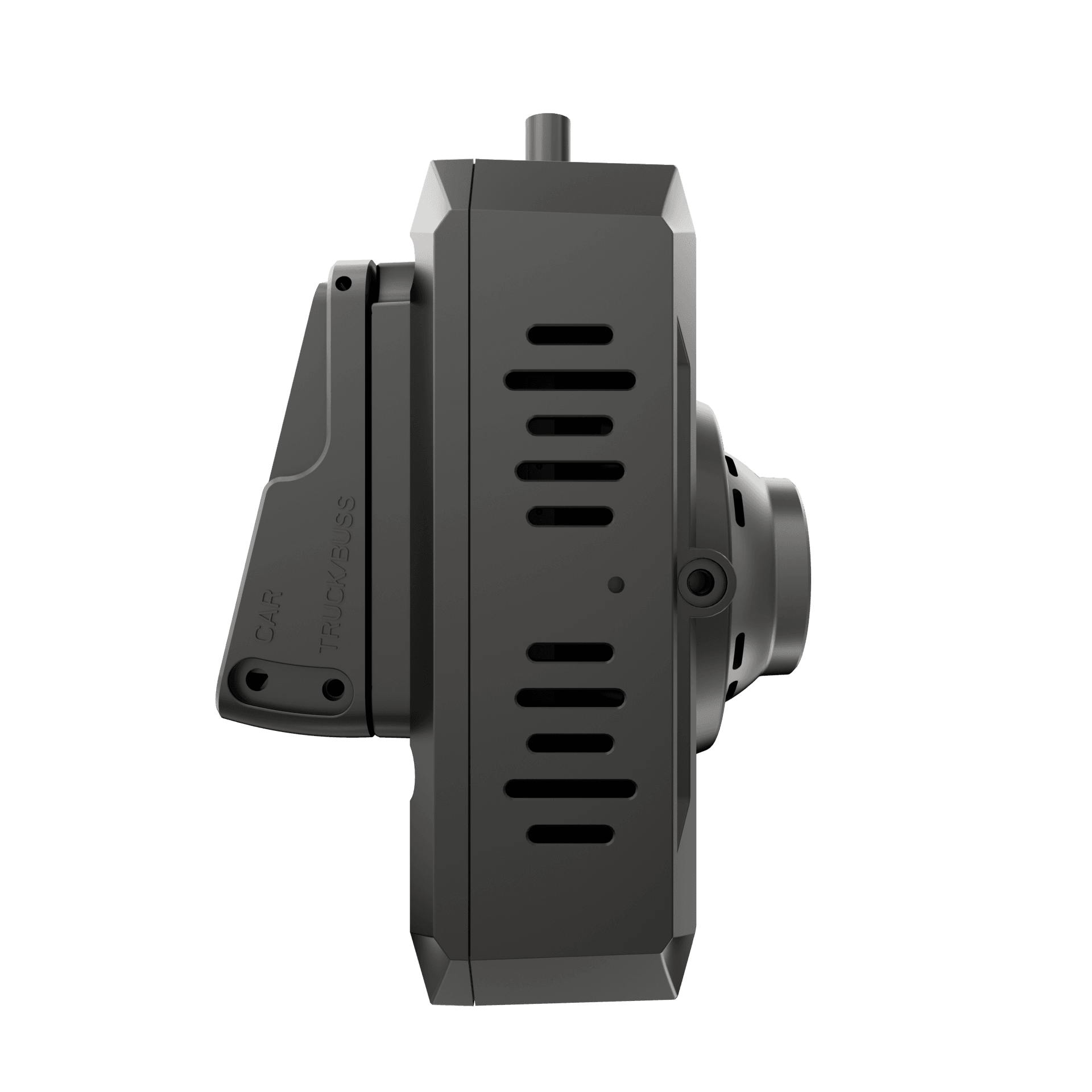
How to roll it out without drama
Start small. Pilot with a few drivers who actually drive the rough routes. Use their feedback to tweak alert thresholds and mounting placement. Train the crew on how to flag footage and how footage gets shared. Measure the wins: fewer disputes, quicker incident resolution, calmer drivers. That’s how adoption sticks.
Closing — plain value, real results
Downright: the right AI dashcam solves real problems for drivers and managers, cuts dispute cycles, and keeps teams safer on the road. When you match tech to crew needs and avoid the flashy-only traps, the system starts saving time and stress. I’ve seen that play out on busy freight runs, and that’s why smart fleets partner with solid tech providers like BSJ to turn footage into real, usable value.
