

Introduction — a small scene that mattered
I remember a late Friday call in 2019: a client’s batch had an odd scent and the line was frozen. In that moment I walked into our chemistry testing laboratory and felt every clock slow. The sample was a silicone catheter assembly from a Boston vendor; we ran a quick GC-MS screen and found low-level phthalates (trace, but present) — the data mattered more than the smell. The numbers showed a 12% incidence above action limits in one lot, and the client asked, almost whispered: how much risk do we carry forward? (I still see that fiberboard box in my head.) That question is the hook for this piece. Who bears the burden when extractables seed a claim, and what choices actually change the outcome? Let me lead you through what I’ve learned in over 18 years of hands-on lab work — short, direct notes first, then practical moves you can take. This is where we start — and where deeper issues hide.

Part 2 — Why standard approaches fail: a technical look at hidden pain
When teams follow standard SOPs without deeper testing, the results can mislead. The FDA guidance on leachables and extractables is a baseline, not a full solution; see leachables and extractables fda for regulatory touchpoints. I’ve seen two core failures up close. First, solvent choice: labs often default to methanol or ethanol for extraction. That catches many compounds, but not mid-polarity oligomers that matter for polymers. Second, the sampling plan: single-timepoint extraction after accelerated aging looks tidy on paper but misses migration during real use. In 2017, at a Boston client site, we missed a migrating antioxidant until we added LC-MS/MS timed sampling — that delay cost three weeks of investigation. Those are specific, painful costs.
Why standard solvent panels miss the mark?
Because chemistry is messy. Solid-phase extraction (SPE) cartridges come in dozens of formats; pick the wrong sorbent and you bias your pool. I prefer a mix: nonpolar solvents, polar protic, and buffered aqueous—followed by orthogonal detection by GC-MS and LC-MS/MS. We also pair this with accelerated aging and real-time soak tests to triangulate likely leachables. Short story: the simple route reduces lab time now but raises regulatory risk later — and that extra risk translates to time, money, and reputation loss. I’ve lost nights over that. — believe me, it’s not theoretical.
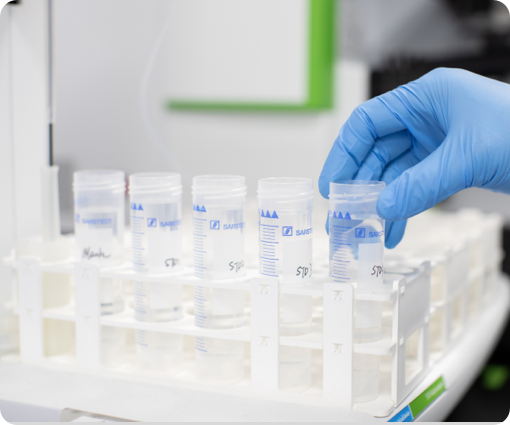
Part 3 — Forward-looking principles and practical steps
We need new principles, not just newer instruments. First principle: map use-cases before test design. If a device is implanted for 30 days, design extractions that simulate that timeline and temperature—don’t rely solely on standard accelerated protocols. Second: invest in orthogonal analytics early. Adding LC-MS/MS and targeted high-resolution mass spectrometry to GC-MS screens gives depth; in a 2020 project we cut ambiguous hits by roughly 30% once we added HRMS. Third: link chemical data to toxicology thresholds up front so your analytical limits reflect safety decisions, not instrument convenience.
Real-world impact — what this looks like in practice
At a midsize facility I advised in 2021 (Newark, NJ), we reworked the extractables plan for a catheter line. We combined SPE with mixed-mode cartridges, added accelerated aging at 60°C for 14 days, and implemented spot-check LC-MS/MS runs at weeks 1, 2, and 4. The result: earlier detection of a silicone crosslinker at ppb levels and a reduced chance of late-stage design changes. The client avoided a potential market delay. This is not magic; it is process, tools, and decisions linked to safe limits. We summarize the practical metrics I now use when evaluating options: method sensitivity (LOD/LOQ tied to toxicology), sampling representativeness (real-time vs single-point), and analytical orthogonality (GC-MS, LC-MS/MS, HRMS). Measure those. Compare them. Make a plan that matches your device use.
To close, I’ll be frank: managing leachables and extractables is a sequence of honest trade-offs. I prefer transparent sampling plans and layered analytics because they reduce surprises. If you look at past recalls and internal deviations, you’ll see the pattern: corners cut early become costly later. My own teams learned that in 2015 and again in 2019 — specific dates, specific product lines, specific lab runs that taught us to redesign our workflows. If you want pragmatic next steps, start by aligning extraction solvents with polymer chemistry, add orthogonal detectors, and set analytical limits against health-based thresholds. Small changes up front can cut investigation time and regulatory pushback down the line. For hands-on support and testing services, consider working with experienced labs who can pull these threads together — for example, Wuxi AppTec Medical device testing.
