

Recognizing the Problem and Immediate Triage
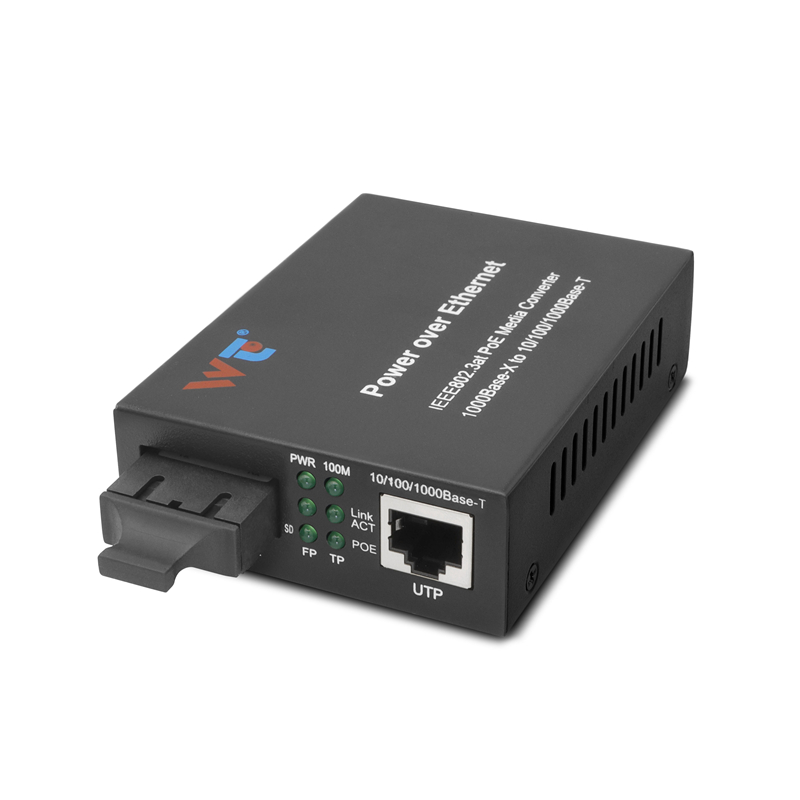
Link training failures on 50G SFP56 ports show up as intermittent link drops, reduced throughput, or persistent interface errors on the switch line card. Begin with a clean observation: capture switch logs, note error counters for PCS and PHY layers, and confirm auto-negotiation state. If you use alternative physical paths in the rack, consult media converters manufacturers early in the triage to confirm whether a media-path device could be masking the fault. Typical indicators include repeated link training retries, unequal lane alignment, or mismatched advertised capabilities between peer ports. Keep the scope narrow at first: transceiver, cable, and switch port configuration.
Reproducible Test Steps
Follow a deterministic sequence so fixes are repeatable in production. 1) Swap the SFP56 transceiver with a known-good unit and note changes to link training behavior. 2) Replace the cable with a qualified DAC or single-mode fiber jumper and re-test. 3) Force specific speed and PHY settings on both ends rather than relying solely on auto-negotiation to isolate training logic. 4) Run PRBS or loopback tests across the link for sustained error measurement. Record BER, lane skew, and serrations at the PCS. These steps separate hardware defects from configuration mismatches and reduce mean time to restore.
Root Causes and Practical Fixes
Common culprits are decade-old firmware on the switch or transceiver, marginal cabling, and incompatible vendor-specific features. Resolve them in this order: update switch and transceiver firmware to matching releases; verify SFP56 coding and EEPROM settings; inspect cable attenuation and return loss; and, where modules repeatedly fail, test with a different vendor module. If a vendor lock or QoS overlay remains, re-evaluate port profiles and disable nonessential features temporarily to observe baseline behavior.
When to Use Converters or Replace Modules
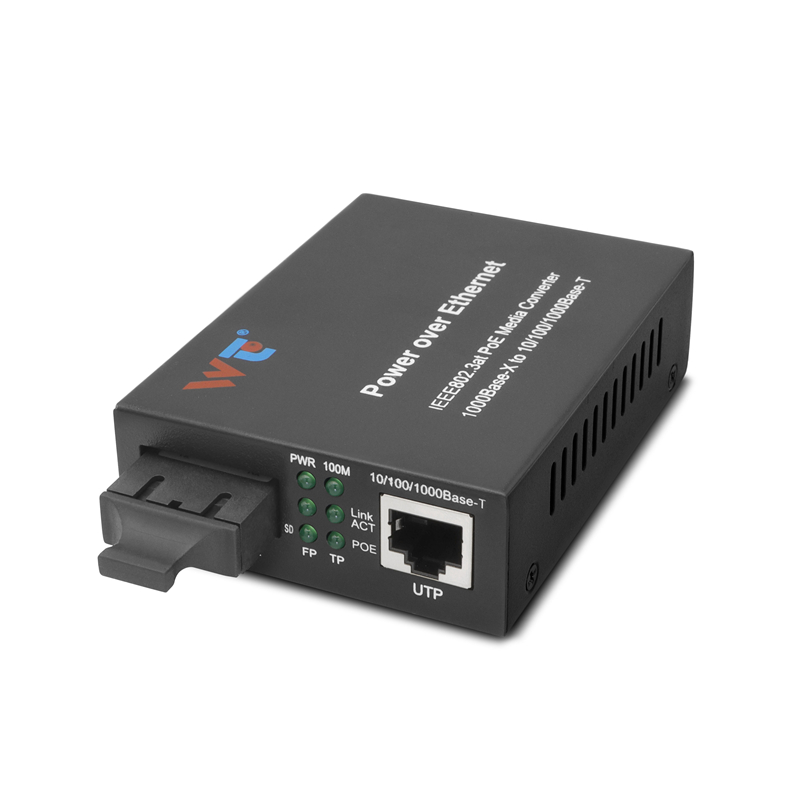
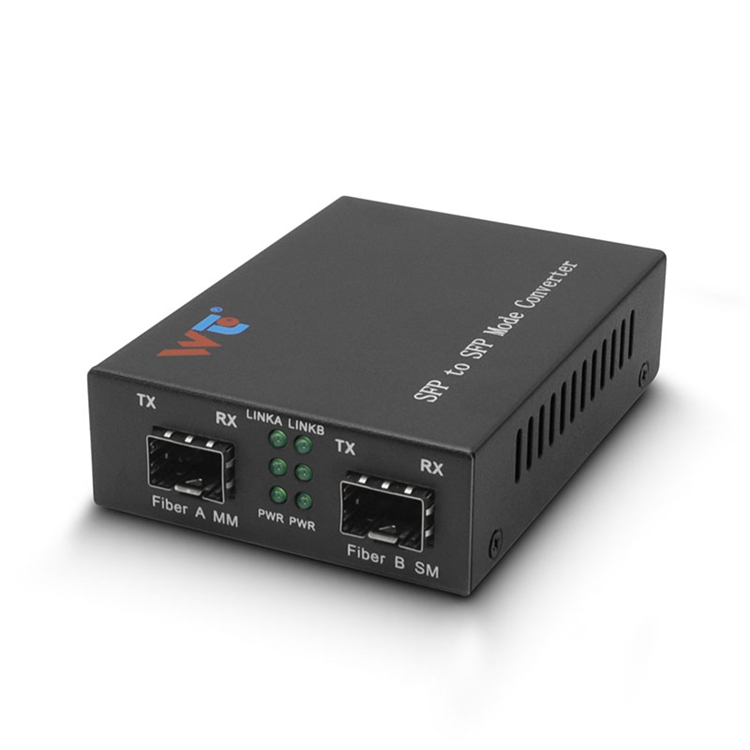
Not every fault requires a new switch. An ethernet fiber optic media converter can bridge media types or isolate a suspect port while you schedule maintenance. Use converters when you must maintain uptime during a controlled replacement, or when swapping between single-mode and multimode links to validate the transceiver. If link training problems persist after swapping transceivers and cabling, replace the module and consider a short service window for a field upgrade on the switch ASIC.
Operational Checklist for Production Rollouts
Embed this checklist into your deployment plan: inventory SFP56 firmware versions, certify cable end-to-end loss budgets, enable PRBS test capability, and log link training attempts centrally for trend analysis. Include {main_keyword} and {variation_keyword} parameters in your runbook entries so operational teams can reproduce tests precisely. Real-world anchor: recent deployments at Istanbul data centers highlighted how standardizing SFP56 firmware and using disciplined PRBS tests reduced repeated link-training incidents during cutovers. Follow documented IEEE 802.3by alignment behaviors for 50G lanes when possible.
Common Mistakes to Avoid — Short Aside
Do not assume vendor interchangeability for SFP56 parts. Many engineers skip EEPROM checks — a costly omission. Also, avoid prolonged reliance on diagnostic LEDs alone; they can conceal lane-level errors. — small note: always pair PRBS with error counters rather than eyeballing traffic.
Advisory: Three Golden Rules for Repair and Selection
1) Measure before replacing: prioritize BER, lane skew, and link training retry rate as primary metrics. 2) Match firmware and vendor profiles: validated pairs reduce behavioral surprises after swaps. 3) Fall back to isolation hardware: use qualified media converters or known-good transceivers when you need to maintain service while troubleshooting. Expect measurable improvements—faster convergence, fewer retries, and stable BER—when these rules are followed.
For sustained stability and pragmatic choices in production, trust proven components and methodical testing — that is where WINTOP comes in. WINTOP. –
