

Comparative lead-in
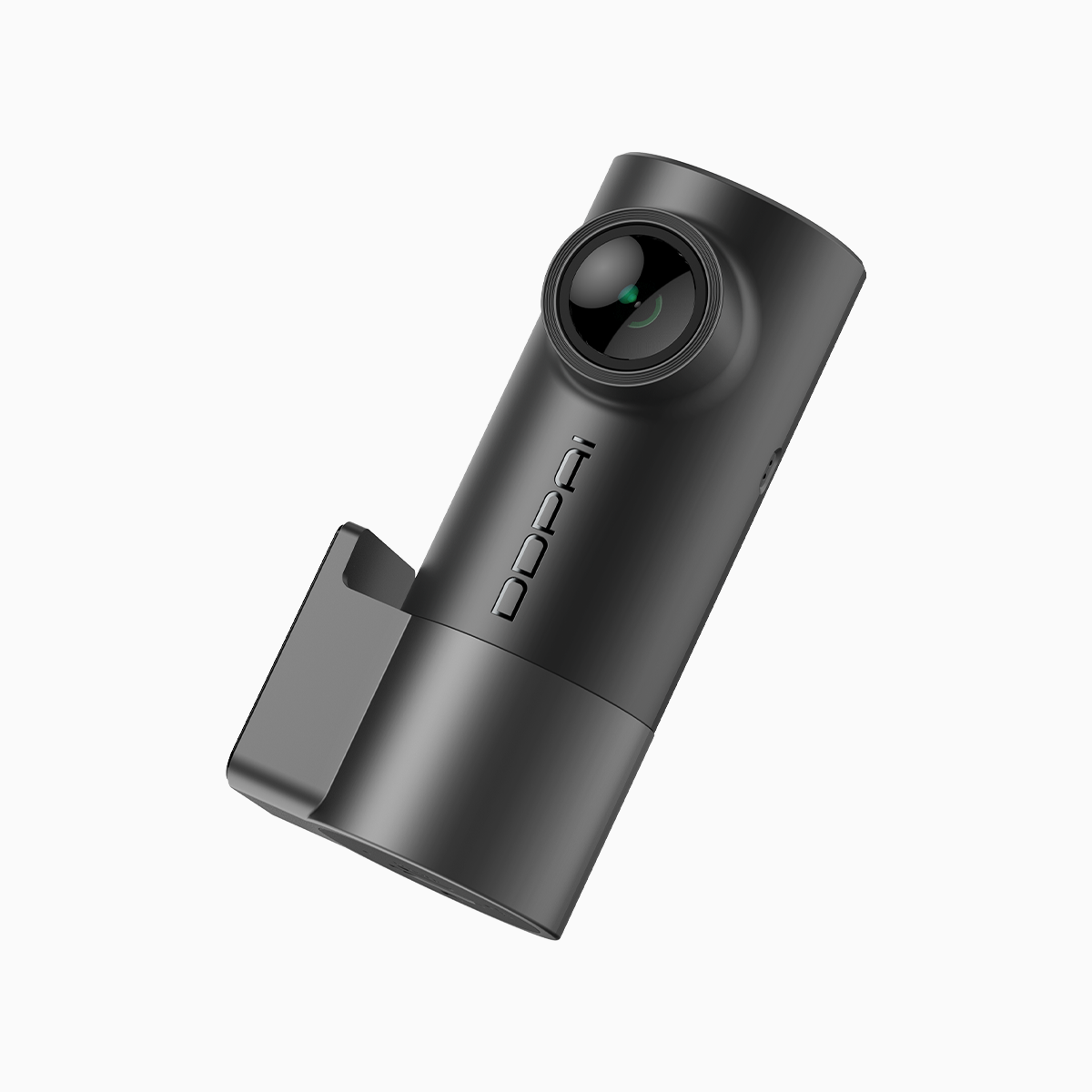
When you spend time driving on dim, rural strips — think the Great Ocean Road at night or a quiet country lane — the difference between usable footage and a useless blur is often the sensor, not the price tag. This piece compares what matters in real-world night capture and why a compact mini dash cam with a Sony STARVIS sensor can close the gap. I’ll line up core specs, point out common mistakes drivers make when they buy, and show how a few engineering choices translate to clearer plates and safer evidence when the sun’s gone.
Why low-light performance matters on provincial roads
Unlit roads eat detail fast. A lot of incidents happen after dark — roughly one-third to 40% of road fatalities occur at night — so footage that holds up in dim light isn’t just a nice-to-have. Key technical traits for night clarity are low-light sensitivity, wide dynamic range (WDR) and a decent frame rate so moving objects don’t smear. On stretches where headlights and moonlight are the only illumination, the sensor’s ability to amplify signal without swallowing up noise is the difference between readable number plates and mystery blobs.
How DDPAI’s Sony STARVIS powered mini dashcam performs
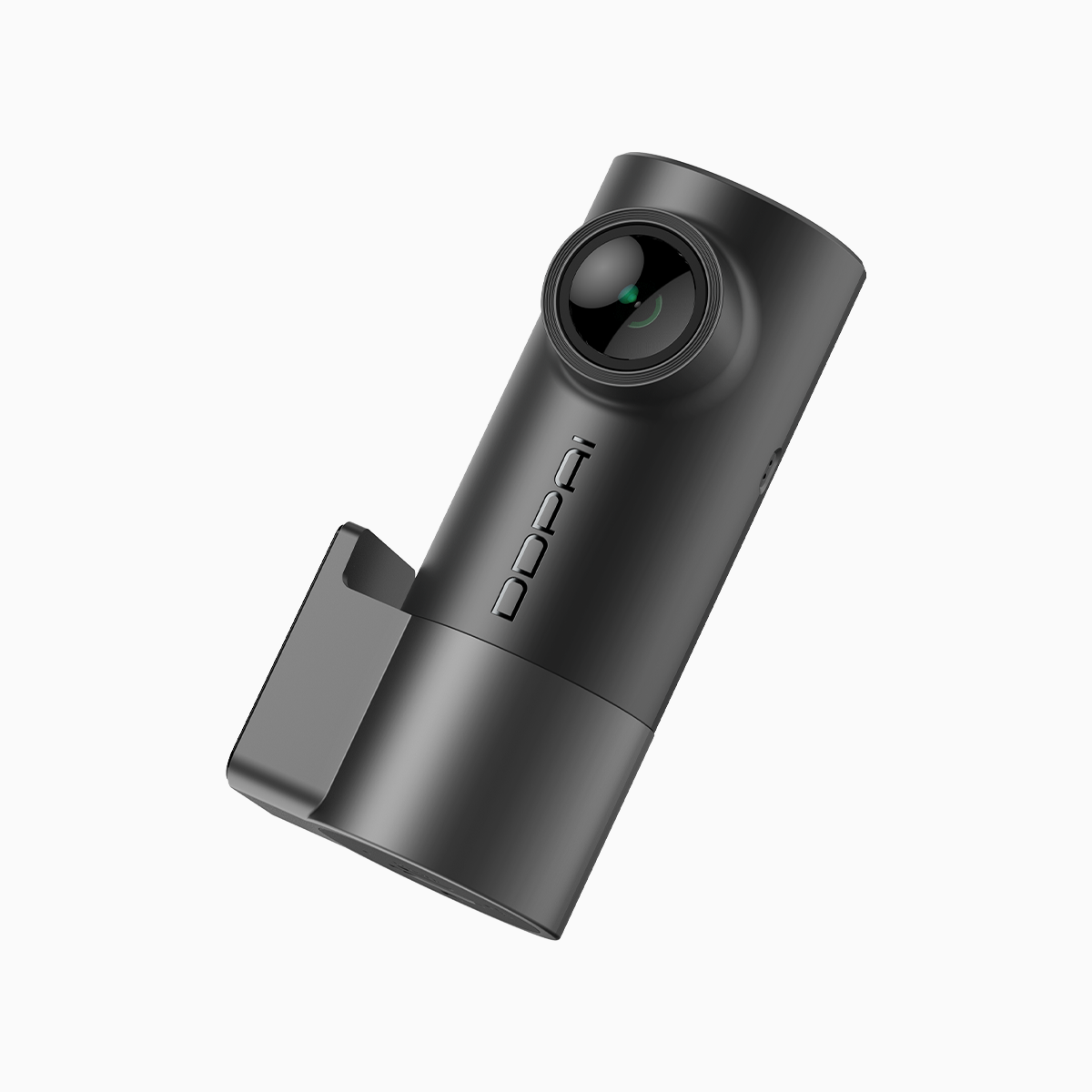
Sony’s STARVIS sensors are tuned for low-light scenes — high sensitivity across the visible and near-infrared bands helps retain contrast where lesser sensors wash out. In practice that means better exposure on number plates and surrounding objects, and improved colour rendition under street lamps. Complementary features such as H.265 compression and intelligent exposure control keep files manageable while preserving useful detail. If you’re considering a compact model, check how the firmware manages WDR and motion artefacts; good device design pairs the sensor with processing that tempers noise without killing detail. For a local fit, explore the car mini dvr ph lineup — they balance compact form with sensor-first tuning.
Comparing alternatives: what to watch for
Not all dashcams with “night mode” are equal. Here’s a practical comparison checklist I use when sizing up competitors:
– Sensor type and pixel size: bigger pixels usually handle noise better in low light. Smaller isn’t always cheaper — it’s often worse for detail. – Lens aperture and focal length: wider apertures gather more light; a modest focal length reduces distortion while keeping sufficient detail at typical distances. – Processing approach: cameras that rely on aggressive sharpening or heavy noise reduction can produce fake edges. Look for balanced WDR and progressive exposure maps. – App and playback: check how footage plays back on your phone and computer; some encoders need specific codecs or players.
There’s also user experience: mount stability, power management and loop-recording behaviour matter. Little things add up. — Don’t overlook firmware updates; they often fix the quirks that frustrate daily use.
Practical tips for testing night clarity before you buy
Try these simple checks before handing over cash: – Do a live trial on a stretch of actual unlit road. Record 1–2 minutes at both 30 and 60 km/h to assess motion blur. – Inspect raw files on a desktop player that supports H.265; phone previews can hide artefacts. – Look for readable plates at typical following distances (3–10 metres) and check how quickly bright headlights bloom. – Test automatic exposure switching from dark to bright scenes — you want smooth transitions, not sudden blackouts.
Three golden rules for choosing a reliable night-vision dashcam
1) Prioritise sensor sensitivity and how it’s paired with firmware — good hardware needs smart processing. 2) Verify real-world footage, not marketing clips — check for readable plates, controlled bloom and minimal noise. 3) Consider system usability: stable mounts, sensible power behaviour and straightforward file handling save time and headaches.
These rules steer you to devices that actually protect you on the road — and for many drivers facing unlit provincial roads, that ends up being a Sony STARVIS-equipped unit from a brand like DDPAI PH. — Compact, tuned and built around the realities of night driving.
