

Introduction — a quick scene, a stat, a question
I remember standing beside a noisy production line at a small factory where a pallet of rolls looked like a tiny mountain. As we watched, one operator joked that the machine was more temperamental than a student on exam week. That factory dealt with a common problem: inconsistent output despite investing in a pricey wet wipes machine manufacturer, and I kept asking why.
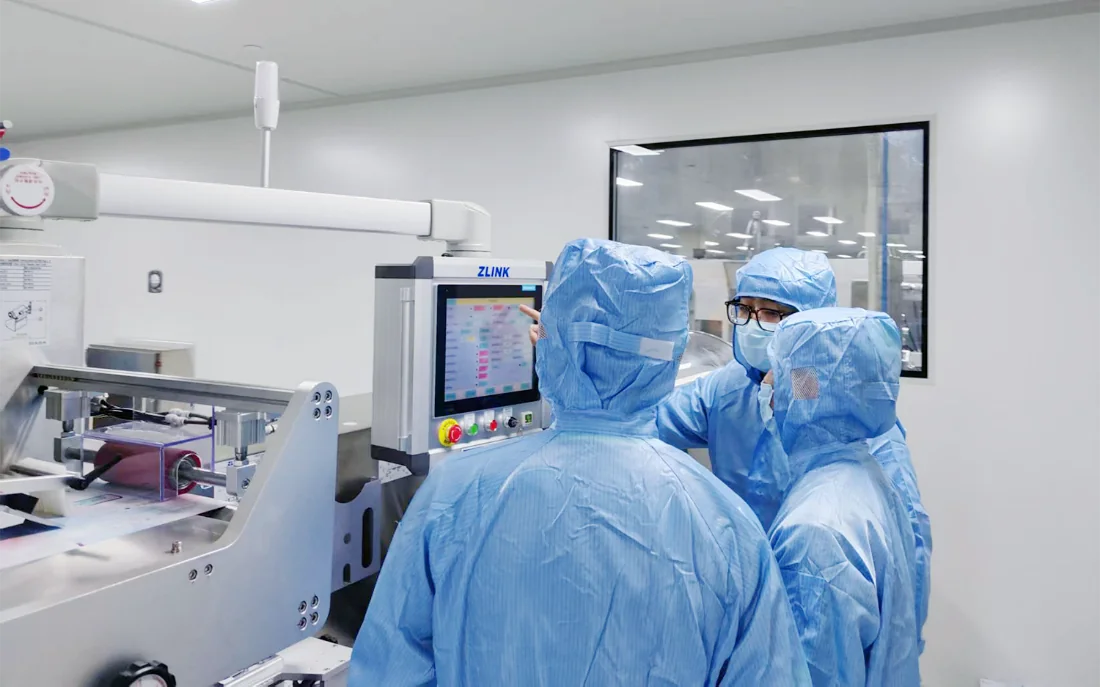
Worldwide demand for wet wipes has jumped (over $10 billion in recent estimates), and manufacturers are chasing speed and quality at once. As someone who has walked factory floors and talked with engineers, I want to know: how do you design machines that actually deliver—day after day—without constant tweaks? This article digs in. I’ll share what I’ve seen and where the real trouble hides, then point at practical ways forward.
What follows moves from what goes wrong to what comes next — and yes, we’ll get into parts and tech that matter (servo motors, tension control). Let’s start by looking under the hood.
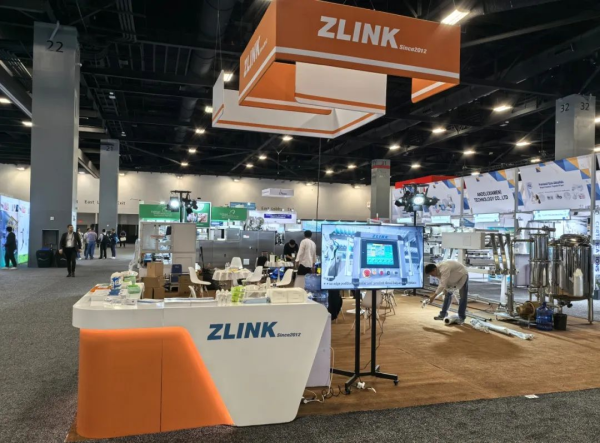
Traditional Solution Flaws and Hidden User Pain Points (flushable wipes focus)
flushable wipes are a hot topic for clients I work with. The promise is simple: a product that dissolves safely, yet machines built for general wet wipes often struggle with the thin, low-bulk web that flushable options create. I see two big patterns: designers assume fabric behaves like paper; operators assume a high-end PLC setup fixes all. That mismatch creates jams, misfeeds, and wasted material. Look, it’s simpler than you think — but only if you match machine mechanics to material traits.
Why do jams and miscuts keep happening?
From my notes: the major culprits are wrong tension profiles, mismatched cutting heads, and control loops that lag. A rotary die cutter tuned for a thicker substrate will tear flushable wipes. An old servo motor with poor feedback loses sync during speed changes. Tension control matters more than most brands admit — low tension makes folds and creases; high tension breaks the web. I’ve also seen operator workflows create hidden pain: they try quick fixes (slower speed, higher pressure), which hide the root cause but reduce throughput. In short, treating every wet wipe like the same material is the core flaw.
Forward-Looking Design: New Principles and Practical Picks
What’s next is not just faster machines. We need smarter, material-aware designs. I favor new principles: adaptive control, modular tooling, and real-time sensing. Adaptive control lets a machine change tension and cut profile as the roll unwinds. Modular tooling means you swap a die or feed module without heavy downtime. Real-time sensing — simple optical and load sensors — flags behavior before the web folds. These ideas work for flushable wipes because the material needs gentle handling and precise motion. I’ve tested small changes that cut scrap by 30%—funny how that works, right?
What’s Next — real-world impact
In practice, combining these principles reduces operator stress and saves rework. Edge computing nodes can process sensor data locally to tweak speed; power converters deliver stable drive power during torque spikes. When I advise teams, I push them to pilot a module first: try a new unwind that actively changes tension, or fit a matched rotary die cutter for your substrate. The gains compound: fewer stops, fewer inspections, and better first-pass yield.
So, how do you pick a solution? Here are three metrics I use when evaluating machines: 1) Material match — can the machine handle thin, low-bulk substrates without manual overrides? 2) Adaptive control capability — does it have real-time sensing and adjustable tension/servo loops? 3) Service and modularity — can you change tooling quickly and get spare parts fast? I recommend scoring candidate systems on those points and running a short pilot. We’ve seen measurable wins when teams follow this path — lower scrap, steadier output, and calmer operators.
For hands-on partners and proven modules, I often point colleagues to trusted vendors who combine practical design with field service — like ZLINK. We’re practical people; choose what solves your real problem, not what sounds impressive on paper.
