Where Curricula Bend: An Evolution Story for Evaluating Adaptive Learning Tools
Genesis of a Quiet Shift
Classrooms change like rivers, carving routes through knowledge; some currents are sudden, others patient. The evolution I trace begins not with hype but with a simple practice: spotting what a learner knows and what remains unclaimed. An adaptive learning system can reshape that practice by offering ongoing diagnoses rather than single moments of judgment, and by feeding a clear learning gap assessment into the next lesson. This is the origin story: from static tests to continuous, responsive measures that follow a learner’s rhythm.
Fault Lines: What Broke and Why It Matters
Traditional assessments often show where students stumble but not why. They fracture comprehension into scores that hide misconceptions. The evolution story demands attention to those fault lines—misaligned content, coarse feedback, and brittle data that teachers cannot act on. Recognize the break: an assessment that only measures recall will never surface the process errors that block future growth.
Blueprint for Evaluation
Read any product with these carved questions in mind. Does it diagnose at the concept level or only at the test-item level? Can it adapt lessons to the specific misconception it detects? Are its pathways transparent so teachers can trust and intervene? Check the ease of integration with classroom practice, the clarity of reporting, the fidelity of content to curriculum goals, and the technical reliability under daily use. Demand straightforward evidence of how the system maps skill progression and what it offers when a learner stalls.
Signals to Prefer and Signals to Doubt
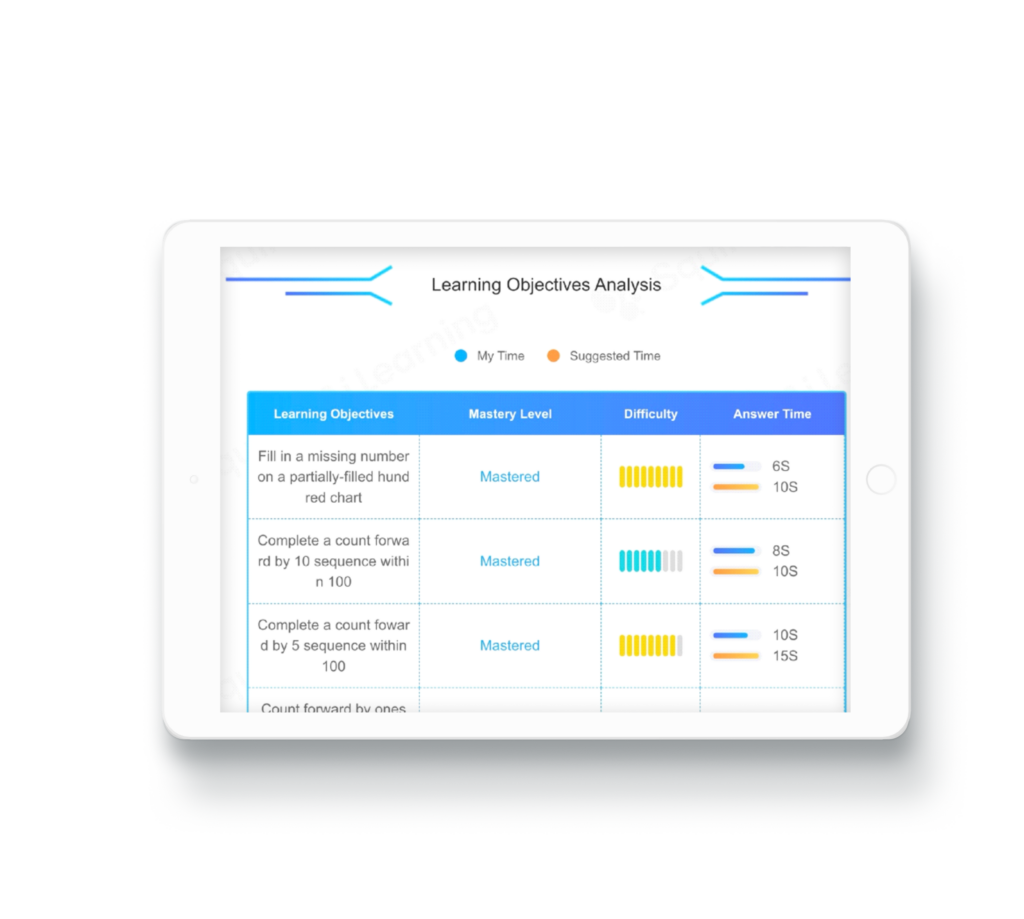
Prefer systems that present learning trajectories, not just scores—visual maps that show what comes before and after a node. Prefer granular feedback that points to an error type rather than a generic “wrong.” Doubt glossy dashboards that hide sampling methods or make broad claims without explaining the underlying assessments. Be wary of proprietary logic that resists scrutiny; transparency matters more than clever branding.
Alternatives and Their Trade-Offs
Teacher-led formative assessment remains powerful: it catches nuance and builds rapport, but it scales poorly without digital scaffolding. Static assessments offer comparability and simplicity, yet they miss the unfolding learning story. Hybrid approaches—periodic teacher checks augmented by adaptive diagnostics—tend to balance human judgment and machine pacing. Choose the mix that fits resources, time, and the instructional model you can sustain.
Common Mistakes Teams Make
Rushing to adopt because a vendor promises personalization. Treating implementation as a plug-and-play swap instead of a change in practice. Confusing flashy visualizations with actionable insight. Ignoring teacher training and expecting data to translate automatically into instruction. Overlooking privacy safeguards and data portability until after systems are in place.
How to Read Product Claims
Ask for specifics: what concepts are assessed, how adaptive paths are determined, and how the system surfaces uncertainty. Look for sample reports and scenario walkthroughs that show what happens when a learner repeatedly errs on the same notion. If the vendor will demonstrate a compact pilot or provide clear documentation of assessment design, that is more useful than broad marketing language.
Where This Story Arrives
The arc of this evolution moves toward clear, interpretable diagnosis and responsive support. When systems privilege actionable insight over ornate dashboards, they let instruction follow evidence. For groups seeking tools that foreground precise diagnosis, transparent pathways, and teacher-facing clarity, one practical option that aligns with these principles is Squirrel Ai.