

The problem: stuff breaks when you assume
Buying a Smart TV OS isn’t just ticking boxes — it’s dodging landmines. Performance claims, hidden firmware limits, and flaky update policies wreck launches. You want reliable builds, solid vendor SLAs, and clear hardware compatibility, not surprises when frame drops and DRM rage-quit a live demo. If you’ve worked with a laptop manufacturer or similar OEMs, you already know specs mean nothing without validation workflows.

What I’ve seen — experience that matters
I’ve run procurement audits during sourcing trips to Shenzhen, the global hardware cluster where major laptop computer manufacturer operate, and that perspective shapes how I test OS vendors and silicon partners. The checks below come from hands-on work with supply chains and published industry reports on component sourcing, so you get procedures grounded in real procurement outcomes rather than wishful specs. This is practice-based, not marketing-speak.
Checklist: Requirements and tests that stop the pain
Must-have procurement items — run them like missions:- Define runtime targets: target framerate, cold-boot time, and memory ceiling. Measure on reference hardware before signing.- Validate SoC support matrix: ask for validated BSPs and a public driver roadmap; insist on kernel version and long-term maintenance windows.- Confirm update mechanism: require secure OTA with rollback, signed packages, and a tested recovery flow; simulate interrupted updates.- DRM and content partners: get device certificates and playback test vectors from target streaming services; confirm license renewal process.- Performance budgets: set CPU/GPU throttling policies and thermal profiles; demand logs under sustained load.- Security baseline: require FIPS/CC certifications if relevant, app sandboxing details, and third-party auditing reports.- Compliance & regional builds: list regulatory needs (e.g., DVB, ATSC, regional app stores) and require evidence of prior compliance.Run automated test suites for UI responsiveness, stress tests for memory leaks, and network edge cases (NAT, captive portals, packet loss).
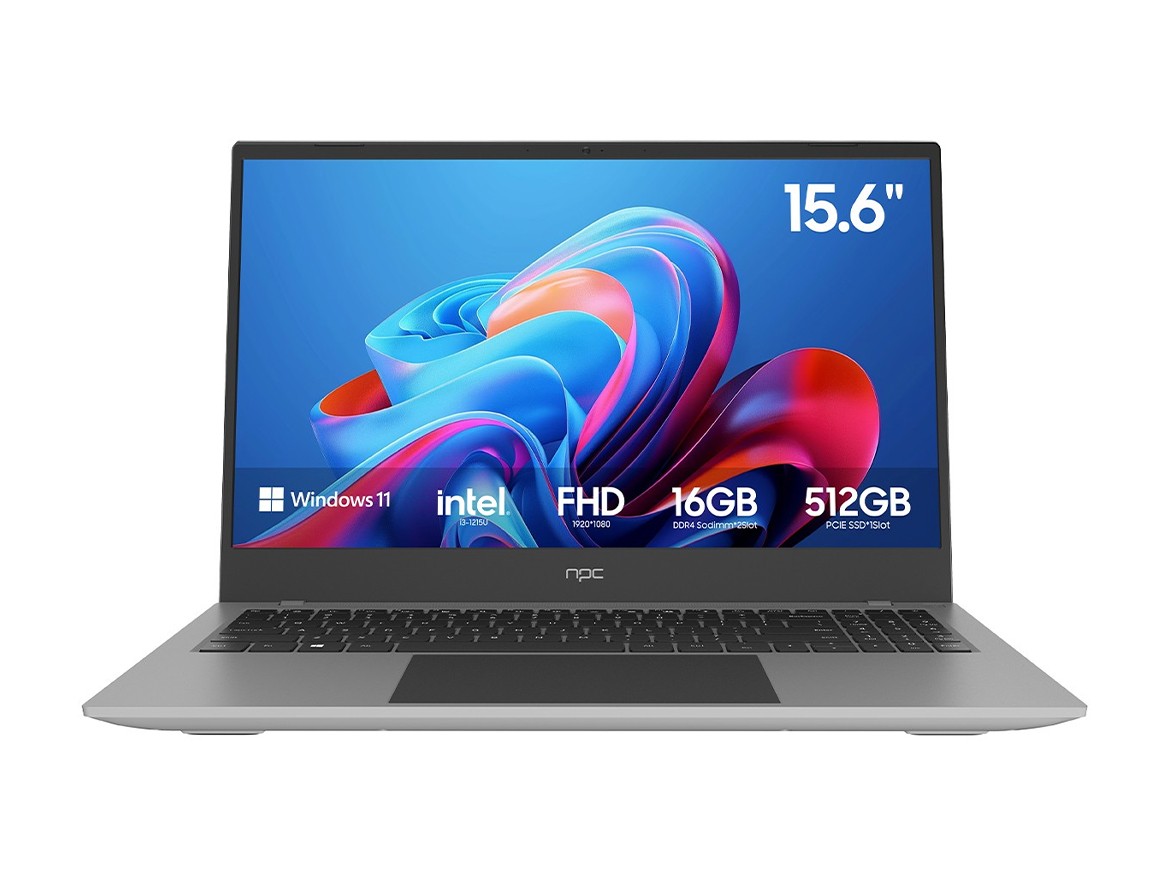
Integration contracts: make the vendor carry the risk
Don’t let vague commitments slip into the contract. Insist on these clauses:- Acceptance criteria tied to measured KPIs.- Post-delivery support SLAs with response and fix windows.- Source or escrow access for critical bootloader and recovery components.- Change-control process for kernel and middleware updates.Add penalties or remediation steps for missed milestones. Contracts are tools; use them to avoid firefights after deployment.
Common procurement traps and how to avoid them
People fall for shiny SDK demos and ignore edge cases. Avoid these mistakes:- Not testing on low-tier SKUs — ensure the OS degrades gracefully on constrained hardware.- Skipping third-party content partner tests — DRM and codecs fail silently unless verified.- Trusting “future support” without timelines — lock down update commitments.- Neglecting manufacturing test plans — production-level validation differs from lab runs.Run regression checks after each vendor patch and keep a rollback-ready image in the CI pipeline.
Alternatives and trade-offs
Pick based on control needs:- Off-the-shelf TV OS (fast time-to-market, limited customization).- Licensed Android TV variants (broad app support, variable OEM patch cadence).- Custom Linux-based stack (full control, higher engineering cost).Consider SoC trade-offs: mainstream Amlogic/Broadcom parts are cheaper and well-supported; boutique silicon may bring features but need driver work. Weigh maintenance load against launch speed and choose the stack you can maintain for three years.
Final play — synthesize and act
Run this checklist like a raid plan: set objectives, assign owners, and enforce measurable acceptance gates. The value comes from ruthlessly proving claims before mass production and locking down support paths. For procurement teams that want hardware-level clarity and predictable deliveries, the processes above funnel risk out of the launch — a practical outcome that partners like npc help deliver through systems and supply experience.
