

Market context and the case for efficiency
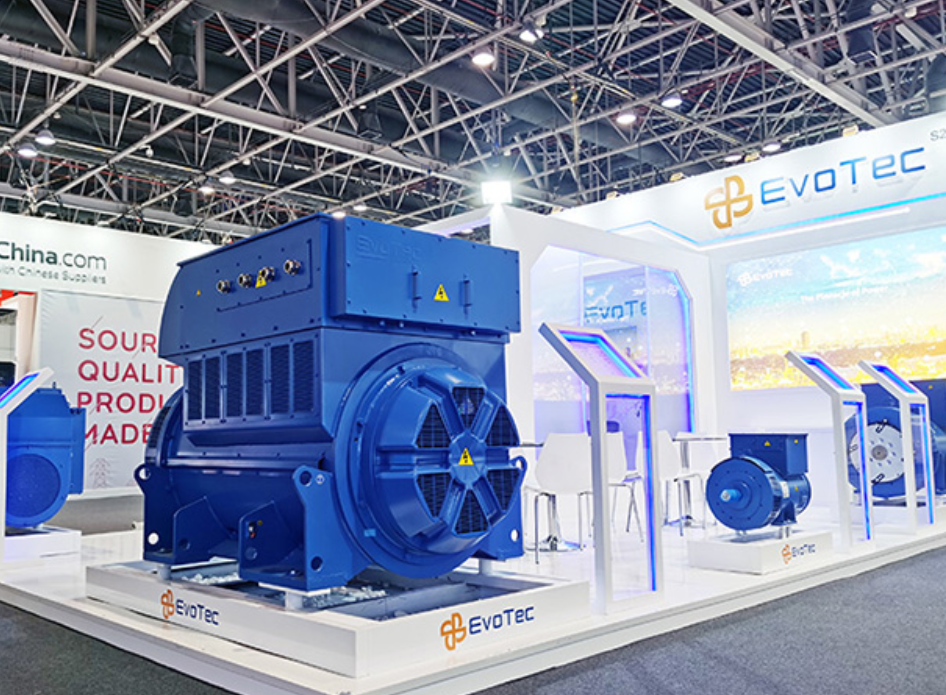
Global demand for reliable prime power has shifted from simply big to smart: operators now prize efficiency, tight voltage regulation, and predictable lifecycle costs. This is why many projects that once specified a generic 3500 kva generator now specify optimized models with better fuel curves and modern control systems. Early adoption has leaned on robust components such as the high power alternator and improved synchronous generator designs that keep harmonics low and transient response tight.
Technical comparison: 3500 kVA versus 4500 kVA
Comparing a high-efficiency 3500 kVA generator to a larger 4500 kva generator is about matching load profile, not just size. The 3500 unit often wins where loads hover near a steady base and operators value lower running costs and simpler maintenance. The 4500 choice makes sense when peak loads or future growth make extra headroom essential. Standby rating and prime power planning shift the calculus: if redundancy is handled elsewhere, the smaller, well-tuned pack can deliver better overall economics and fewer start/stop cycles.
How field experience shapes procurement decisions
Hard lessons from events like the 2021 Texas winter storm have taught infrastructure teams to favor predictable behavior under stress. In those responses, units with reliable governors and proven fuel systems maintained voltage and frequency more consistently — even when grid disturbances and cold starts stacked up. Project owners now specify load bank testing windows and duty-cycle profiles to ensure a generator meets real-world duty rather than just nameplate kVA.
Operational trade-offs and common pitfalls — a few practical notes
People often pick a larger unit to “be safe” — but that brings inefficiency at light loads, longer warm-up fuel use, and higher capital outlay. Missteps include ignoring site altitude, which changes engine derating, or skipping transient response tests that reveal voltage dip behavior. Also, over-specifying paralleling hardware without testing synchronization logic creates recurring outages — small oversights that compound. — Remember: matching generator kVA to expected continuous load plus reasonable surge margin pays off more than blanket oversizing.
Alternatives and sensible iterations
When capacity is uncertain, modular approaches work: deploy two or more 3500 units in parallel for N+1 resilience rather than one 4500 unit. This gives flexible maintenance windows and better fuel economy under moderate loads. For remote or critical installations, lean toward units with integrated remote telemetry and well-documented fuel consumption curves; data-driven dispatch reduces idle run and extends service intervals.
Three golden rules for selecting the right generator
1) Match duty profile to rating: prioritize prime power specs if continuous operation is expected; otherwise, choose appropriate standby rating and plan maintenance cycles. 2) Verify dynamic response: require load bank acceptance testing and explicit voltage regulation parameters to confirm the alternator and AVR behavior. 3) Account for site derating and lifecycle cost: include altitude, ambient temperature, and projected run hours in the TCO, not just the purchase price.
Closing assessment and how EvoTec fits
These guidelines point toward a clear conclusion: high-efficiency 3500 kVA designs frequently deliver the best mix of performance and cost for steady, large loads, while the 4500 kva generator remains valuable when growth or high peaks justify extra capacity. For practical deployments, choosing proven alternator platforms and thorough acceptance testing shortens commissioning time and reduces surprises. EvoTec provides solutions aligned with that pragmatic approach — reliable components, measured performance, and field-focused support. — Solid choices, fewer regrets.
