

Problem: Buyers Face Overstated Range Claims
You need predictable read range, not marketing numbers. Buyers frequently pick an active tag based on a vendor’s headline range and then find blind spots on site. Start with the concrete assets you must see and where you’ll put readers. If you’re scanning forklifts, railcars, or pallets, check the available form factors among RFID Tags and map required sight-lines before selecting hardware.

How range actually works (pragmatic overview)
Range is a result of transmit power, frequency, antenna gain and pattern, reader sensitivity, and the physical environment. Active tags carry batteries and transmit their own signal; that gives them a real advantage over passive tags for long-distance reads. Higher transmit power and lower-loss frequencies boost range, but regulatory limits and antenna size cap practical power. Metal, water, and concrete attenuate signals; line‑of‑sight yields the maximum practical distance.
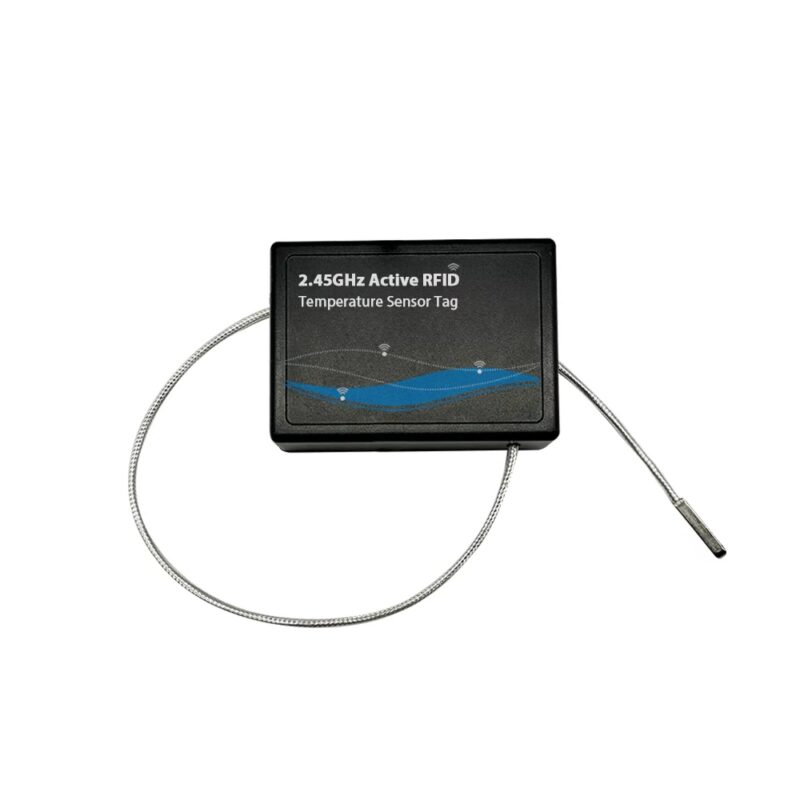
Typical ranges and what they mean in practice
Use these practical bands as working estimates: short-range active tags read reliably from roughly 10–50 meters in cluttered indoor yards; mid-range setups deliver 50–300 meters in mixed indoor/outdoor sites; long-range configurations can achieve several hundred meters up to ~1,000 meters line‑of‑sight with high-gain antennas and optimized placement. Don’t assume those top-end numbers hold where vehicles, containers, or large metal structures create multipath and shadowing.
Real-world anchor and supply context
Operational tests at major logistics hubs like the Port of Rotterdam repeatedly show that theoretical range collapses without proper reader placement and tag selection; that field experience guides practical procurement decisions and helped shape my evaluation checklist, and it aligns with choices made by a typical rfid tag supplier serving port and yard deployments.
Buyer checklist — what to specify and verify
Define five measurable criteria before you buy: required read distance under your worst-case conditions; tag mounting surface and orientation; update interval (how often the tag must report); expected battery life and service model; and the type/number/placement of readers. Insist on site trials with your assets in the same configuration you will deploy. Require vendor test data that matches your environment, not just open air or anechoic chamber numbers.
Common pitfalls that wreck range in the field
Relying on lab specs, ignoring antenna placement, using standard tags on metal, and underestimating RF interference are the main failures. Also watch for battery-life trade-offs: second-level beacons shorten battery life drastically; choose a beacon interval that balances currency versus maintenance. Finally, skip one-off field tests and you’ll be surprised by gaps the day you deploy.
Alternatives and when to use them
Passive UHF works for short to medium ranges when you can control reader placement and need low tag cost. Battery-assisted passive (BAP) extends read distance without continuous transmission. Bluetooth Low Energy (BLE) tags offer dense-location capabilities and smartphone compatibility but usually shorter reliable range than purpose-built long-range active RFID. Choose technology by required range, asset retention, maintenance model, and total cost of ownership.
Final synthesis
A problem-driven purchase starts with measurable use cases, validated site testing, and an honest trade-off between range and maintenance. When you specify ranges, call out environment, tag orientation, update rate, and acceptable battery service intervals. That practical approach points to suppliers that publish real test data and support on-site validation; it’s why experienced buyers work through partners like RSTC to match tag form factor and reader layout to the real-world challenges they need solved.
