

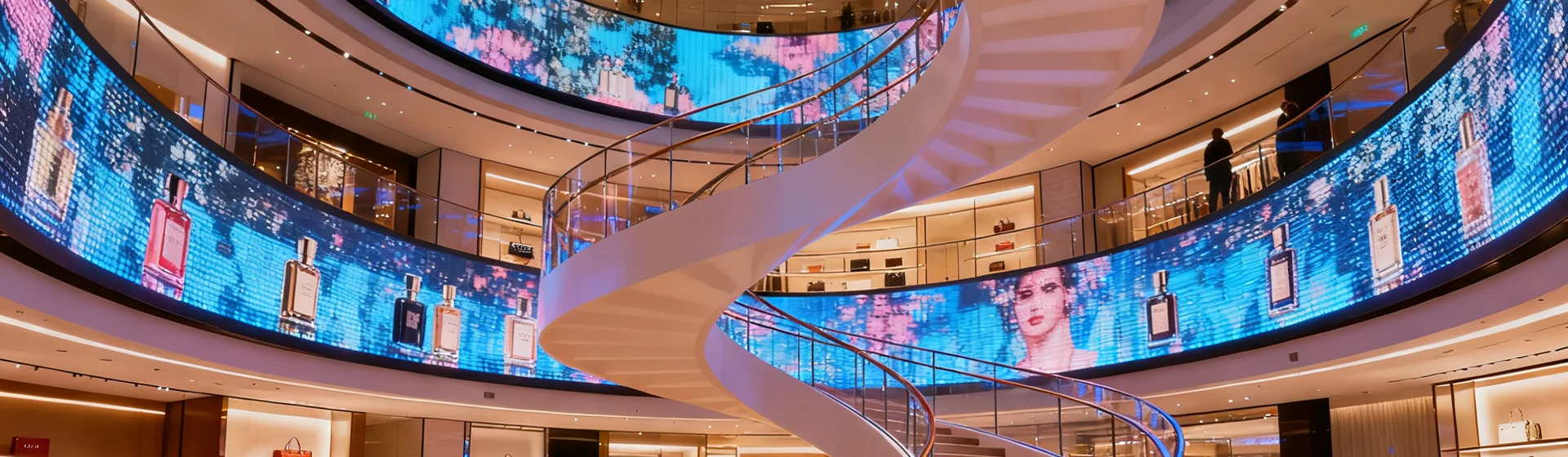
Introduction — a comparative premise
Stadium-scale visual systems demand measurable parameters rather than marketing blur; this comparative insight evaluates manufacturers against those parameters. For event planners who specify led wall rental systems, the early selection of pixel pitch and modular cabinet footprint governs costs and operational risk. Major venues such as Wembley Stadium and global events like the Tokyo 2020 Olympic ceremonies illustrate how scalable LED video wall systems must balance brightness, refresh rate, and logistics to perform reliably under live conditions. For immediate procurement needs consider a tested source for led wall rental that lists modular spare parts and on-site support.
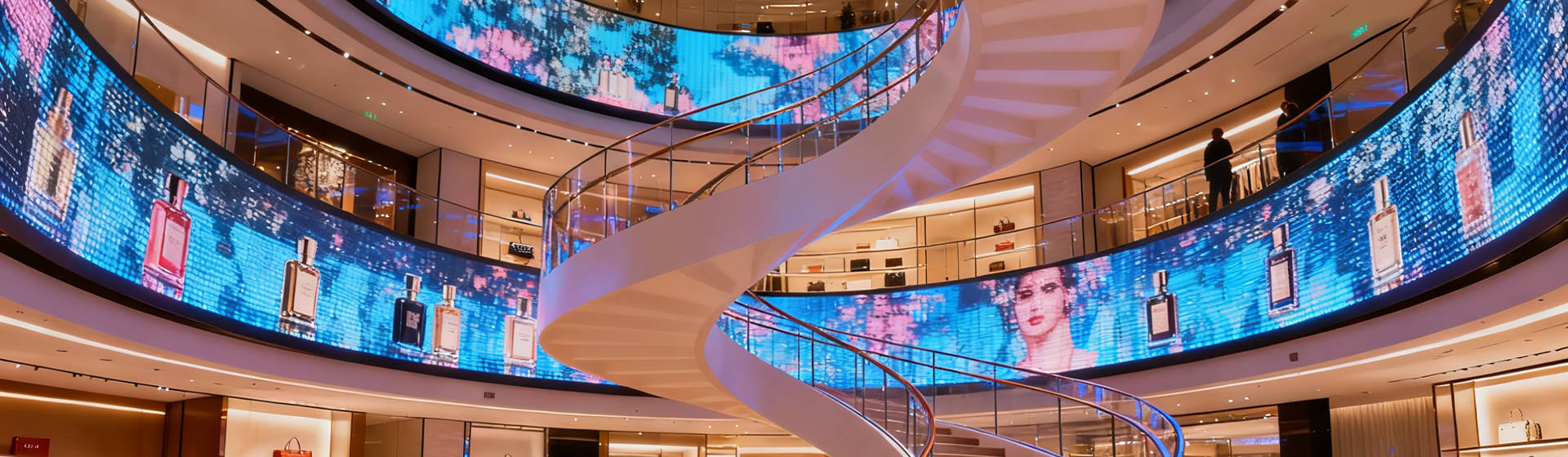
Core technical criteria and trade-offs
Evaluate manufacturers by three objective categories: optical performance, mechanical design, and serviceability. Optical performance covers pixel pitch, brightness (nits), HDR capability and refresh rate; tighter pixel pitch improves near-field clarity but increases weight and power draw. Mechanical design includes modular cabinet tolerances, rigging points, and IP rating for outdoor exposure. Serviceability quantifies mean time to repair (MTTR), availability of hot-swap modules, and the presence of on-site calibration tools. Each criterion produces trade-offs — finer pixel pitch reduces viewing distance constraints but raises shipping volume and requires more frequent calibration.
Manufacturer archetypes and operational fit
Three manufacturer archetypes dominate procurement choices: rental-specialists optimized for quick-deploy modular cabinets; OEMs that push high-density panel innovations; and systems integrators who bundle control processors and software with service contracts. Rental-specialists typically offer lighter cabinets, standardized power rails, and rigging frames that reduce setup time. OEMs deliver incremental gains in pixel pitch and HDR processing but may require custom transport cases. Systems integrators supply end-to-end workflow—control room redundancy, media servers, and color-matching calibration suites—beneficial when a venue needs turnkey responsibility. For short-term tours a rental-specialist often reduces logistical overhead; for permanent installs an OEM or integrator may be preferable.
Common mistakes, mitigations, and practical alternatives
Frequent errors include overspecifying pixel pitch for wide-seating venues, neglecting refresh rate compatibility with broadcast cameras, and omitting spare-module inventory. Mitigate these by specifying photometric targets (cd/m² or nits), a minimum 3,840 Hz refresh rate for camera-friendly output, and a spare parts kit per 500 m² of panel. Alternatives to full LED walls include blended projection for very large, low-angle surfaces, and LED curtains for rapid foil-style installs. — Note: projection reduces brightness requirements but introduces contrast and ambient light sensitivity challenges.
Operational checklist for procurement
Use this checklist when comparing bids from manufacturers and rental houses: 1) Modular cabinet dimensions and mass per square meter; 2) Photometric sheet with brightness, contrast ratio, and color gamut; 3) Detailed MTTR and on-site technician availability; 4) Control protocol compatibility (e.g., industry-standard media servers and timing sync); 5) Transport case and rigging specification with load factors. When the supplier also supports a live-event runbook, downtime risk drops significantly. For temporary stadia, a tested rental led display inventory simplifies chain-of-custody and staging.
Advisory — three critical evaluation metrics
1) Modularity & Maintainability: Measure mean repair time and whether cabinets support front service access to enable hot-swapping under schedule constraints. Reduced MTTR directly lowers event risk.
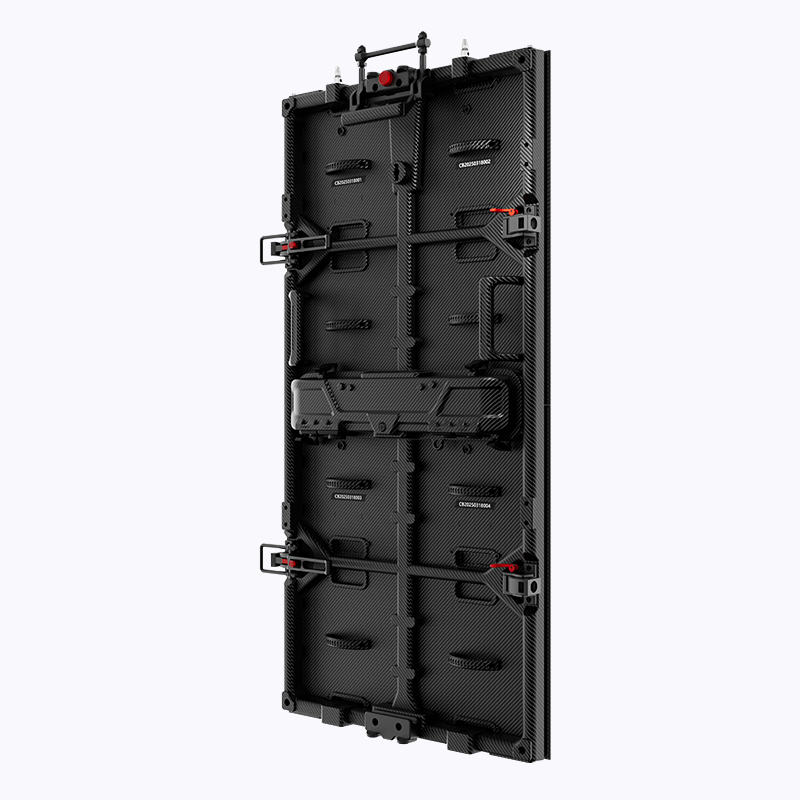
2) Photometric and Camera Compliance: Require documented brightness (nits), refresh rate ≥3,000–4,000 Hz for broadcast, and a color calibration report. These numbers determine on-camera fidelity and audience visibility.
3) Logistics & Support Footprint: Confirm spare-module inventory, shipping lead times, and local technician presence. Verify that supplier’s transport cases match cabinet dimensions to avoid transload damage.
In projects that require dependable, quickly deployable video surfaces, matching these metrics to the venue profile yields measurable results — less downtime, predictable visual quality, and clearer cost accounting. Coblinks emerges as an operational partner when the procurement logic favors modular rental inventories, field service capability, and documented photometric compliance. — Final thought: specify metrics first, brand second.
