Start with the buyer, not the brochure
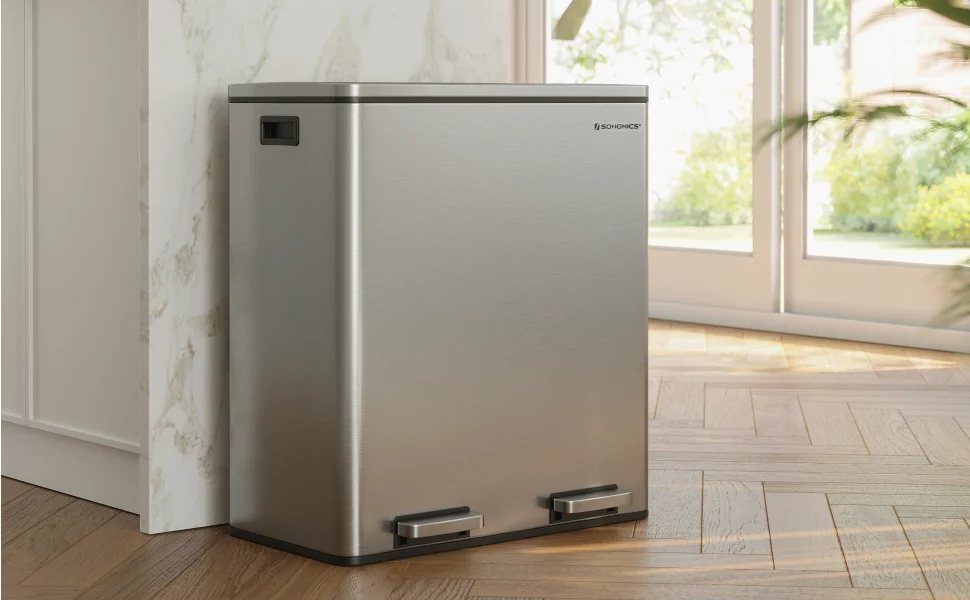
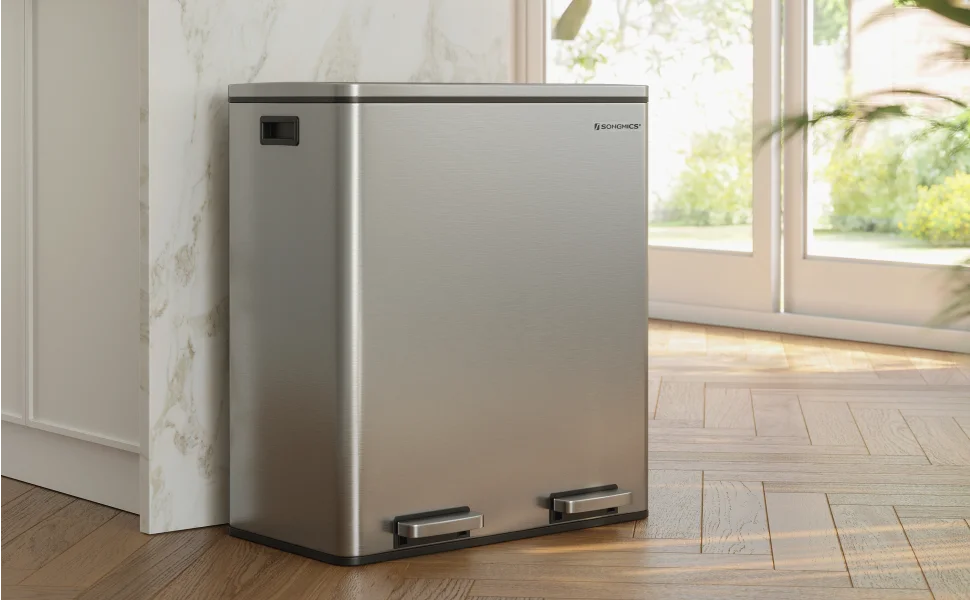
Folks in retail, hospitality, and office procurement are pickier than ever — they want furniture that solves problems, not just looks pretty. I’ve walked the aisles at High Point Market in North Carolina, seen the trends shift, and helped businesses match budget, durability, and style. That hands-on line of sight matters when you’re picking pieces for a public space, and that’s where songmics and solid b2b relationships come in handy. Think upholstery that stands up to heavy use, modular systems that adapt as needs change, and finishes that clean easy — those are the wins customers notice first.
Design styles that answer customer needs
Start by matching the space’s pace to a style. For high-traffic cafes, industrial with powder-coated frames and laminate finish beats delicate carved wood every time. In co-working hubs, mid-century modern with ergonomic seating and simple lines keeps folks comfortable and the place looking current. Upscale boutique hotels often lean rustic-modern — solid wood accents, plush upholstery, and layered lighting — because guests want warmth and character. Pick a style that makes maintenance predictable and procurement repeatable.
Durability and maintenance beat trendiness
Customers hate surprises when a chair fails after a month. Prioritize construction: solid joints, appropriate load ratings, and stain-resistant fabrics. Choose materials that clean easy and resist abrasion — that matters for both warranty and reputation. A finish that tolerates daily wipe-downs and a fabric rated for heavy commercial use will reduce headaches down the line — and believe me, maintenance teams will thank you. — Practical choices save reorders and customer complaints.

Flexibility sells more than one-off looks
Spaces evolve. Modular seating, stackable lounge chairs, and mobile work tables let businesses reconfigure without swapping inventory. That adaptability is a big selling point for procurement managers balancing seasonal needs or shifting headcounts. Modular systems also lower long-term costs by extending product life; replacements become additions, not full redesigns. Consider pieces with removable upholstery or interchangeable tabletops for a longer service life.
Style combos that reliably please customers
Three combos I keep recommending: industrial + soft upholstery for casual dining; Scandinavian simplicity with durable finishes for retail; mixed woods with brushed metal for boutique offices. Each combo pairs a visual language with specifications: abrasion-resistant fabric, certified joinery where needed, and finishes that resist UV fade in sunlit lobbies. When you pair look with proper specs, the client gets both foot traffic appeal and realistic lifespan expectations.
Common mistakes that cost time and credibility
Skipping site measurements, underestimating weight requirements, and choosing low-grade fabrics are the most common pitfalls. Also, ignoring serviceability — can the upholstery be replaced? Are spare parts available? — turns small issues into big ones. Fix those three, and you’ll cut warranty claims and speed up replacement cycles.
How professional buyers evaluate options
Experienced buyers look for three clear things: documented durability, available lead times, and consistent finish options. They want specs they can trust — load tests, fabric rub counts, and clear warranty terms. Real-world trade shows like High Point Market regularly surface these needs; vendors who share concise spec sheets and samples win more contracts. That transparency builds trust quickly with procurement teams.
Golden rules for picking the right furniture
1) Durability metric: Prioritize materials rated for commercial use and ask for abrasion (double-rub) counts on upholstery.
2) Serviceability metric: Ensure parts and upholstery are replaceable and confirm typical lead times for key components.
3) Value metric: Compare total cost of ownership, not just unit price — include cleaning, replacement, and downtime costs.
Final thought
When customers feel comfortable and maintenance stays simple, spaces do their job — sell product, keep guests longer, boost productivity. That’s the practical value brands like SONGMICS HOME B2B bring: tested options, clear specs, and scalable choices that help you make sure your space works as hard as you do. —