

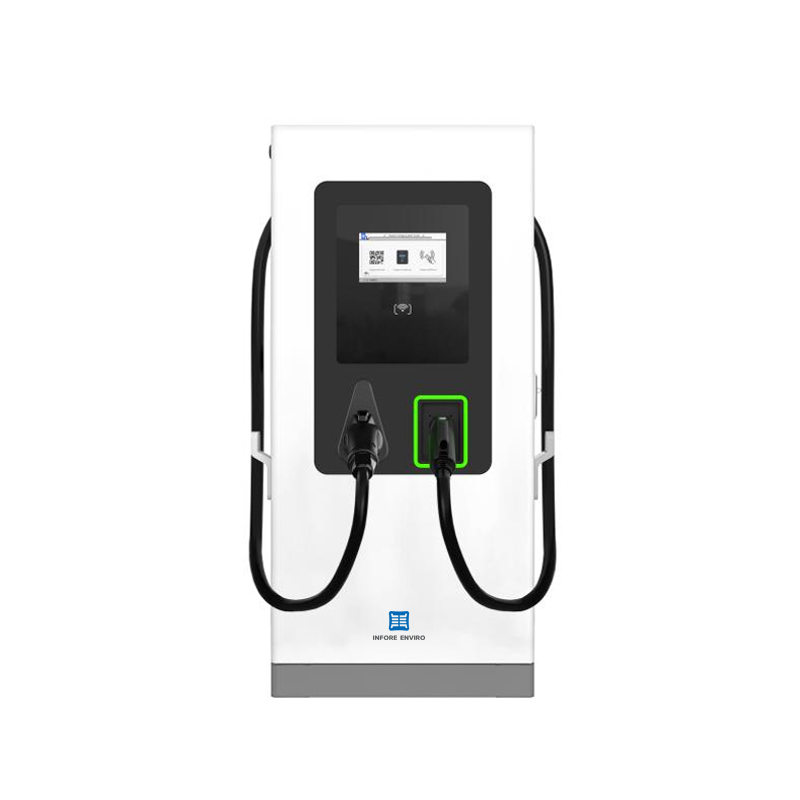
Opening: a practical comparison worth attention
Many fleet managers and facility teams run the numbers differently when they weigh infrastructure upgrades. This piece compares conventional, ad-hoc charging patterns with dedicated wallbox solutions and shows why the latter consistently trims operational emissions. Early on: consider a reliable wallbox EV charger as part of a measured approach to fleet energy management rather than an optional add-on.
Why operational emissions deserve scrutiny
Operational emissions come from how and when vehicles draw power — not just whether the tailpipe is electric. Charging at peak grid times or from fossil-heavy dispatch increases CO2-equivalent output per mile. Terms like kWh and demand response matter here: they let you quantify energy per trip and shift charging away from high-emission windows. This is a comparative view: two fleets, same vehicles, different charging discipline — different emissions profiles.
Direct comparison: ad-hoc outlets versus dedicated wallboxes
Ad-hoc charging (standard sockets, random schedules) offers flexibility but little control. A dedicated AC wallbox brings metering, smart charging, and load balancing to the table. Smart charging coordinates sessions to target low-carbon periods; load balancing prevents an overload that forces a facility to pull from peak fossil generation. The result is measurable: lower average grid-emission intensity per kWh consumed and improved predictability for operations.
Real-world anchor: what regulators and cities are proving
California’s Zero-Emission Vehicle programs and urban low-emission zones demonstrate the operational gains possible when charging policy and infrastructure line up. City and state incentives have nudged fleets toward scheduled overnight charging and managed public chargers — both patterns that a wallbox supports. International Energy Agency commentary also highlights that shifting charging to cleaner grid periods reduces lifecycle emissions from EVs; that’s the high-level data anchoring this comparison.
Common deployment pitfalls — and how wallboxes avoid them
Teams often underestimate site power constraints and fail to coordinate charging events. That leads to emergency upgrades, temporary fossil-fuel backup, or unmanaged peak draws. A proper charger EV wallbox installation anticipates distribution capacity, integrates local metering, and enables demand-response signals. A careful rollout includes circuit checks, software provisioning, and user training — yes, the basics matter.
Operational benefits beyond emissions
Wallboxes reduce downtime by ensuring vehicles reach needed state of charge when scheduled. They improve billing accuracy via per-session metering and support predictable maintenance windows. The tech terms here — smart charging and load balancing — translate into lower total cost of ownership when you model the fleet lifecycle. In practice, operators report smoother shift changes and clearer energy budgeting — small wins that compound.
Practical choices and testing notes
When you evaluate units, look for clear scheduling controls, integration with building management systems, and modular upgrades. In a practical teardown you’ll track {main_keyword} and {variation_keyword} alongside power flow metrics and verify that firmware supports timed charging and tariff-aware scheduling. Field tests should exercise peak, off-peak, and partial-load conditions to validate expected emission reductions.
Three golden rules for selecting charging strategies
1) Measure first: baseline energy use and emission intensity per charging hour before you buy. Use metered kWh and simple time-of-use comparisons.
2) Prioritize control: choose wallboxes that offer scheduling, smart charging, and load balancing rather than the lowest upfront cost.
3) Plan for scale: ensure installations support phased upgrades and integrate with demand-response programs to capture grid-level emission reductions.
Closing advisory and practical next step
Evaluate devices on measurable outputs: reduced average gCO2e/kWh during charging windows, decreased peak demand charges, and uptick in vehicle ready-time compliance. These three metrics tell you if your wallbox rollout is delivering operational results. For grounded implementation that ties those metrics to service and warranty, consider partners experienced with fleet rollouts — they consolidate hardware, installation, and data-driven scheduling into one reliable package. INFORE ENVIRO. —
