

Why a comparative lens matters
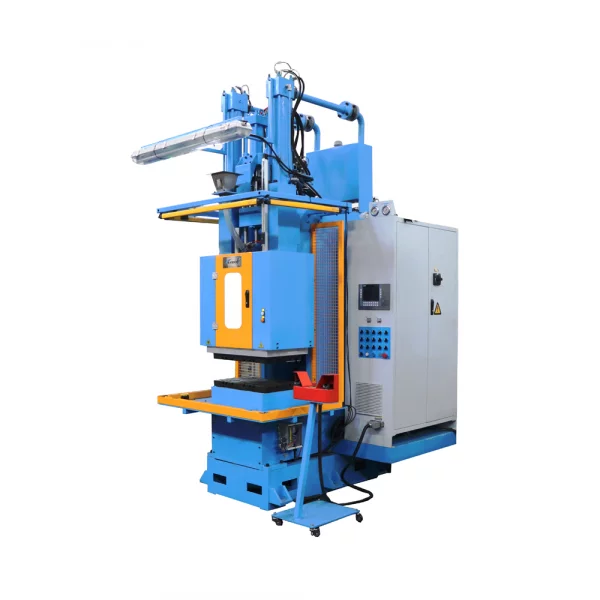
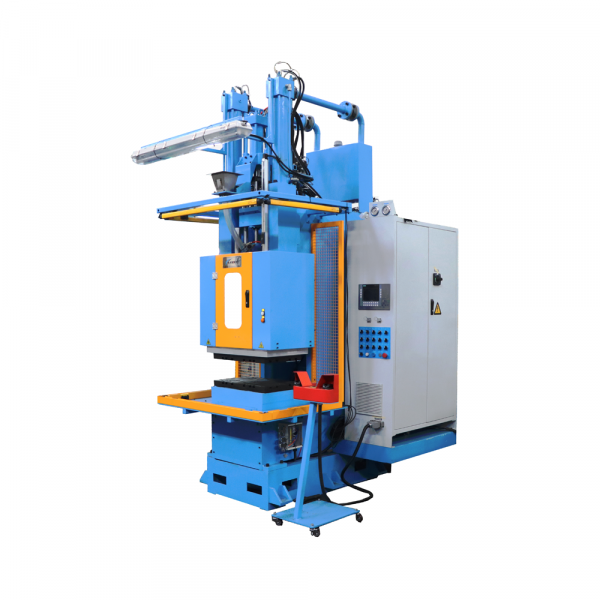
When procurement teams weigh suppliers, they must move beyond brochures and glossy testimonials and compare measurable capabilities: cycle time consistency, PLC testing depth, and control over clamp force. This comparative insight approach puts every supplier on a level field and exposes gaps that matter on the factory floor. For those evaluating systems, a practical data point often starts with the machine itself—searching for a contender like a rubber injection molding machine that pairs hardware clarity with control-system transparency.
Core capabilities to line up side-by-side
The clearest comparisons center on three layers: mechanical precision, control electronics, and service ecosystem. Mechanical checks include clamp force accuracy, consistent shot size, and robust mold-cavity alignment. Control electronics involve full-spectrum PLC testing, deterministic cycle time control, and straightforward diagnostics. Service covers spare parts lead time, training, and field calibration routines. When those layers all report clear metrics, procurement can quantify risk instead of guessing.
Real-world anchor: industry expectations on the ground
Automotive suppliers around Detroit and Tier 1 vendors globally demand traceable results—often from ISO 9001–certified lines—because end users need repeatable tolerances for seals and vibration mounts. A machine that controls barrel temperature and hydraulic pressure within known bands reduces scrap and speeds qualification. These are not abstract gains; they translate into fewer line stoppages and validated batches that pass incoming inspection without rework.
Common mistakes teams still make
Too many buyers weight machine tonnage or low price above testability and control. That mistake shows up later as inconsistent parts or opaque fault logs. Another frequent error is accepting vendor claims about PLC testing without seeing complete test reports or witnessing a black-box failure simulation—acceptance must be evidence-based. Small oversight here costs thousands in downtime; insist on repeatable diagnostics and clear error histories. —A quick factory trial will reveal a lot.
How HWAYI separates itself in practical terms
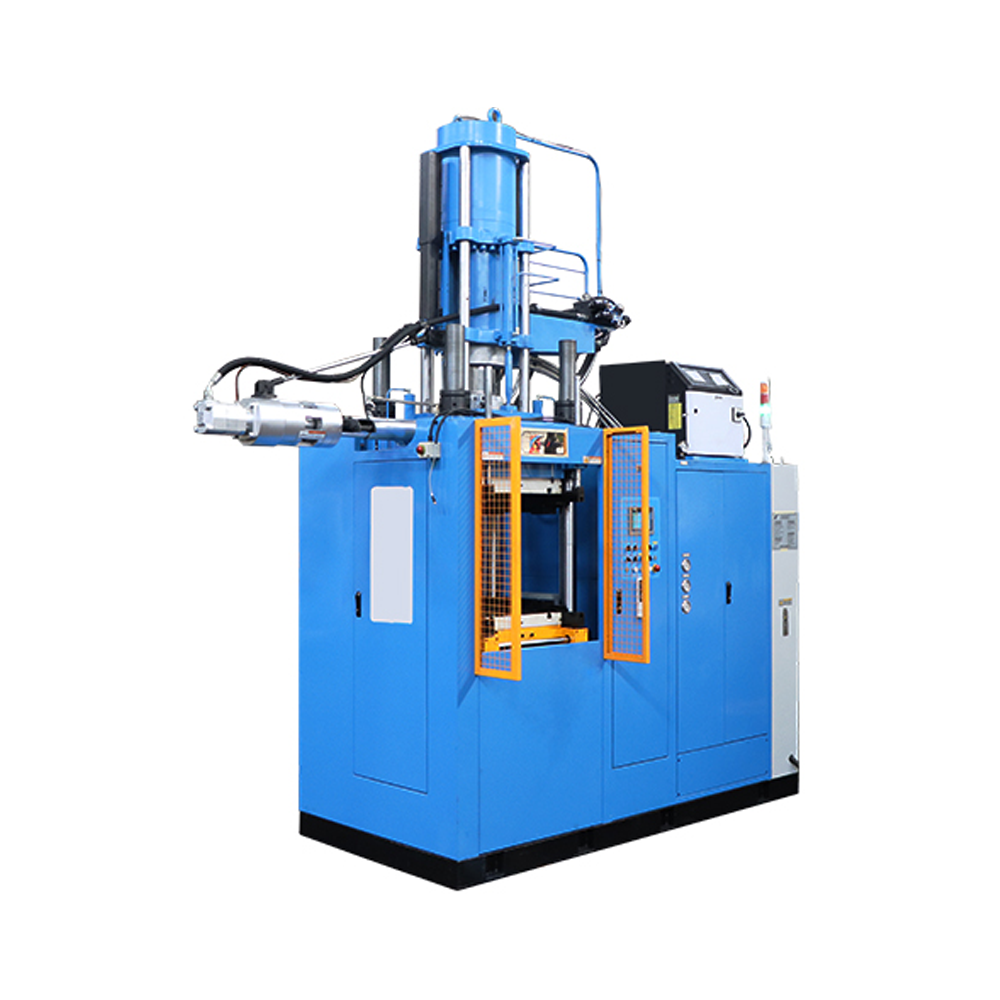
HWAYI focuses on demonstrable test coverage: exhaustive PLC testing, accessible software logs, and service protocols that map directly to on-site maintenance. Their machines aim for tangible control over shot size and cycle time, plus detailed fault diagnostics that technicians can act on within minutes. For operations exploring full-stack solutions, their lineup of rubber molding equipment shows how hardware and controls can be designed together rather than retrofitted—meaning fewer integration surprises and clearer acceptance criteria.
Comparative checklist for side-by-side trials
When running a trial, be methodical. Capture baseline metrics, then stress the system with high-duty cycles. Compare these outputs:
– PLC test completeness: Are all I/O channels and failure modes exercised and logged?
– Mechanical repeatability: Do clamp force and shot size hold within manufacturer tolerances across a full production run?
– Service readiness: Is spare-part lead time documented and is field support certified to calibrate sensors and controls?
Three golden rules for selecting suppliers
1) Demand documented PLC testing and live fault simulation results that you can validate on-site — this proves control-system resilience. 2) Require quantified mechanical tolerances for clamp force, shot size, and cycle time with acceptance thresholds tied to your part drawings. 3) Verify service cadence: guaranteed response windows, certified field technicians, and a stocked parts list with explicit lead times.
HWAYI delivers traceable testing, measurable tolerances, and field support that aligns with production realities—choose the vendor that proves it. Proof.
