

Why a comparative lens matters for patio fan selection
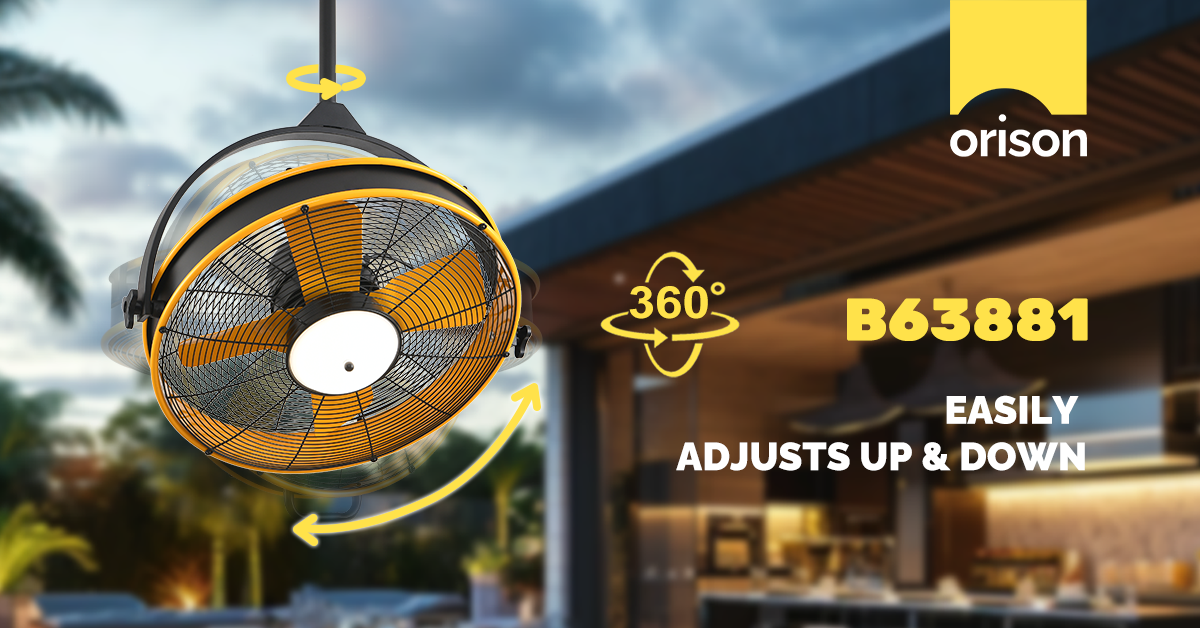
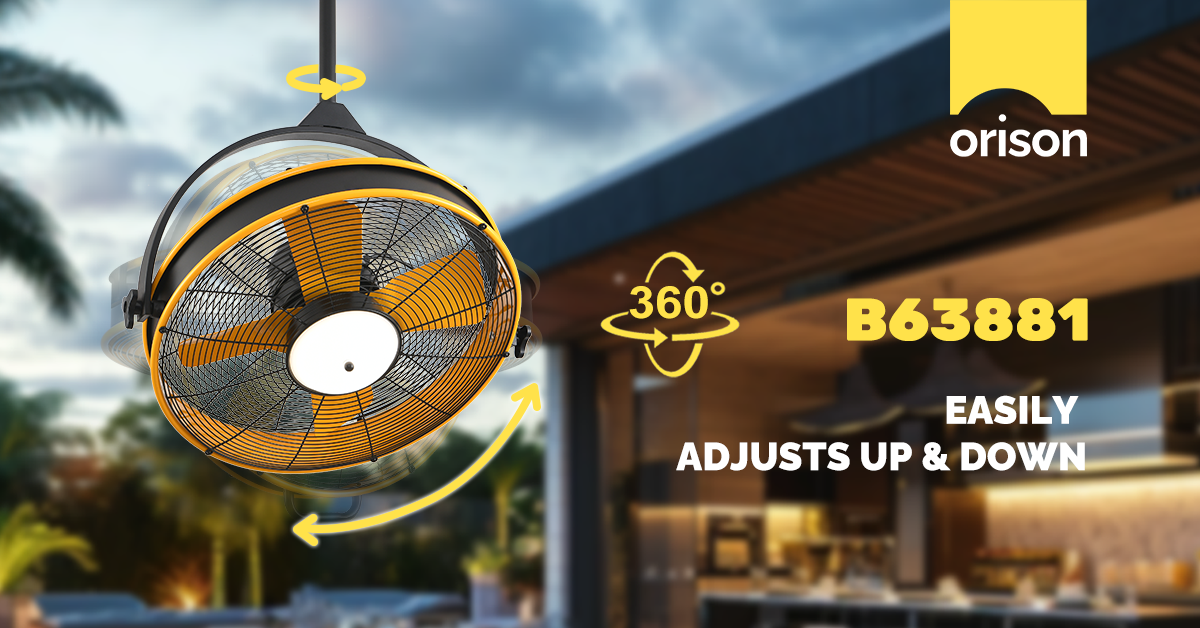
Selecting the right outdoor fixture is both an engineering and product decision — one that affects comfort, energy use, and overall homeowner satisfaction. A comparative analysis clarifies how blade pitch and motor efficiency interact to produce airflow, noise, and runtime. For professionals specifying fixtures or consumers upgrading a covered patio, evaluating ceiling fans with light against measurable benchmarks prevents choices based on aesthetics alone and aligns purchases with performance requirements.
Core metrics: blade pitch, motor efficiency, and airflow
Three technical variables determine most of a fan’s on-deck performance: blade pitch (degrees), motor efficiency (watts per delivered airflow), and CFM (cubic feet per minute). Blade pitch controls the angle at which air is displaced; higher pitch typically moves more air per revolution but increases motor load. Motor efficiency expresses how effectively electrical input converts to mechanical output — a higher-efficiency motor delivers the same CFM at lower wattage. RPM and torque are useful secondary readings during lab tests to confirm the motor is operating within its rated envelope.
Factory calibration vs. real-world operation
Manufacturers tune blade profiles and motor controllers on the test bench, using standardized rigs to report CFM and power consumption. However, patio installation variables — canopy clearance, mounting height, and exposed versus covered environment — change outcomes. The U.S. Department of Energy has long advised that ceiling fans can enable higher thermostat setpoints without reducing perceived comfort, demonstrating how small differences in fan performance translate into measurable HVAC savings in the field. Calibration that optimizes static test numbers may not deliver the same efficiency once installed, so comparative bench data should be weighted against field trials.
Comparative testing framework: what to measure and how
A robust comparison includes standardized lab metrics plus in-situ checks. In the lab, record CFM, wattage, RPM, and sound pressure level at defined distances. In-situ testing should document perceived cooling, temperature delta, and interaction with lighting heat load for fans with integrated luminaires. Include both single-speed and variable-speed runs; a well-designed motor controller—often a brushless DC motor with quality PWM control—maintains torque at low RPMs and preserves efficiency across fan speeds. Also assess closure and IP ratings for outdoor use when comparing models intended for porches or pergolas.
Trade-offs: airflow, noise, and luminaire integration
Higher blade pitch can amplify airflow but increase noise and energy draw. Conversely, low-pitch designs may need higher RPMs to reach equivalent CFM, which shifts the noise-frequency profile. Integrated light kits complicate thermal management and can reduce motor life if heat transfer to the motor housing is poorly managed. Aesthetics matter — especially when a fandelier is part of a curated outdoor room — but the right choice balances form and thermal/electrical design constraints.
Common specification mistakes and how to avoid them
Teams often make three repeating errors: trusting only catalog CFM numbers, omitting mounting geometry from specs, and underestimating lumen-to-heat impacts from integrated LEDs. The fix is procedural: require both lab-certified performance sheets and an on-site verification plan tied to acceptance criteria. Insist on documented motor efficiency maps, not single-point wattage claims. And run fill/lighting integration checks with the actual driver and LED module planned for the job — this prevents late-stage incompatibilities. —
Practical comparisons: scenario-driven recommendations
If the goal is maximum usable airflow for a large covered patio, prioritize blades with 12–15° pitch on a high-efficiency motor that sustains torque at mid RPMs; this combination typically yields higher midband CFM with acceptable noise. For intimate dining areas where ambient sound is a concern, select lower-pitch blades paired with a brushless DC motor and advanced electronic speed control to maintain efficiency at quieter settings. In climates where energy cost matters most, favor units with higher motor efficiency and validated watt-per-CFM metrics — those choices produce tangible HVAC offsets during peak cooling months.
Three golden rules for selecting a patio ceiling fan with light
1) Demand matched laboratory and in-situ data: require CFM, wattage, RPM, and sound measurements both on the bench and after installation. 2) Specify the motor control topology: choose motors (e.g., BLDC with PWM control) that preserve torque across speed bands and provide a clear efficiency curve. 3) Treat the light as an engineering variable: verify LED driver thermal impact and ensure luminaire heat does not undermine motor life or IP rating. These rules give procurement and design teams measurable criteria when comparing models and vendors.
When these evaluation metrics are applied consistently, the result is a fan that performs in the living space as it promised on paper — and that’s where practical value meets brand integrity. For integrators and homeowners looking to align comfort, efficiency, and design in one package, Orison. —
