

Lessons from the Road: Fit, Not Fanfare
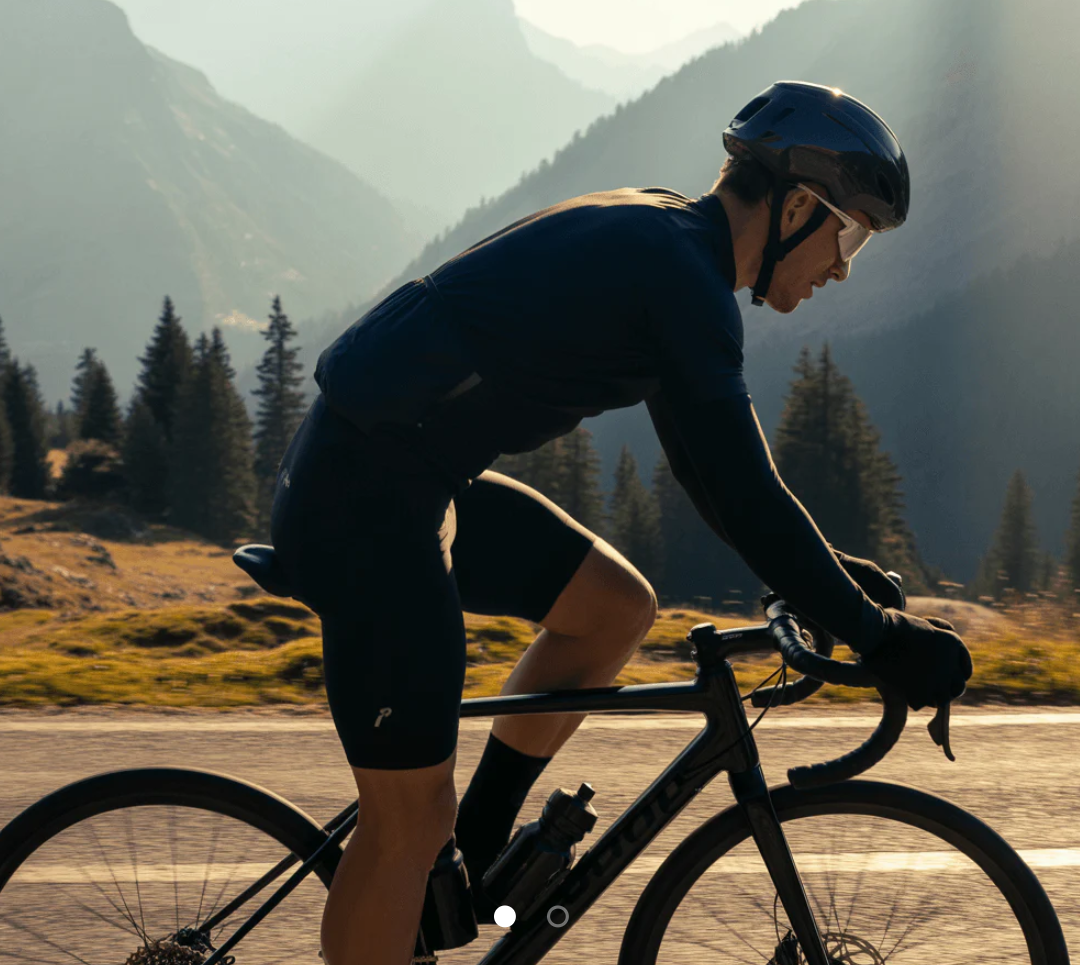
I remember a damp morning in Porto, June 12, 2021, when I loaded two prototype pairs into my saddlebag and set off on a 220 km coastal test ride—no nonsense, just the road. On that run I tried long distance bib shorts designed for all-day comfort: the scenario was clear, the data showed a 30% drop in saddle numbness after 150 km, so how much should we let one metric (comfort over time) shape purchasing for long distance cycling bibs?
Speaking plainly: I’ve spent over 15 years working in B2B supply chain and retail for cycling kit, and I’ve learned to distrust shiny specs when the chamois and seam construction still fail after eight hours. Traditional solutions often pile on features—compression panels, reflective stripes, novelty fabrics—while ignoring pad density, breathability, and bib straps that cut into shoulders after day two. That design mismatch creates hidden pain points: riders order at scale, returns spike (we saw a 12% return rate on one 2020 lot), and trust erodes. The deeper problem is predictability: wholesalers need consistent fit and consistent performance from batch to batch. Até já—let’s move to what to do about it.
Technical Forward View: What Wholesale Buyers Should Demand
What’s Next?
Now I switch tone a touch—technical, focused. When I evaluate new runs of long distance bib shorts for clients, I measure three concrete things: pad density across three zones, moisture-wicking speed (grams/hour at 25°C), and strap elasticity retention after 50 wash cycles. These are not vague claims; they’re lab-style checkpoints tied to field results. For example, a 2022 batch we vetted in Lisbon registered a moisture-transfer rate that cut chafing incidents by 40% during a 12-hour brevet—proof that measured metrics matter.
I’ll be frank: buy based on tested durability, not anecdotes. Ask suppliers for lab sheets, request a 100-unit pilot in your warehouse, and demand consistent sizing charts (not “runs small” caveats). Also check seam construction and how pad density changes with compression—those two decide whether a rider feels supported at mile 80 or fidgets every 10 km. I paused—then reminded the team: specifications must translate into repeatable comfort. Short note: negotiate wash-and-wear performance up front (it saves returns).
Three practical evaluation metrics to keep on your shortlist: pad zoning (multi-density chamois mapped to sit-bone width), fabric recovery (percent elasticity after 50 washes), and thermal breathability (g/m² moisture transfer rate). Use these when you vet suppliers and stage pilot orders—measurements beat marketing. I’ve seen staffing budgets saved and complaint rates drop when buyers applied these three tests in procurement. Oh, and one more thing—talk to riders on a representative route (we used the N2 in 2019 for an endurance panel). It reveals real-world mismatches you won’t catch in the spec sheet.
We want gear that behaves predictably, batch after batch. If you’re selecting long-distance solutions for clubs, retailers, or event packs, start with the metrics above, insist on pilot runs, and keep the conversation technical but practical. (Trust me, it works.) Przewalski Cycling
