

Field failures: what I saw and why they mattered
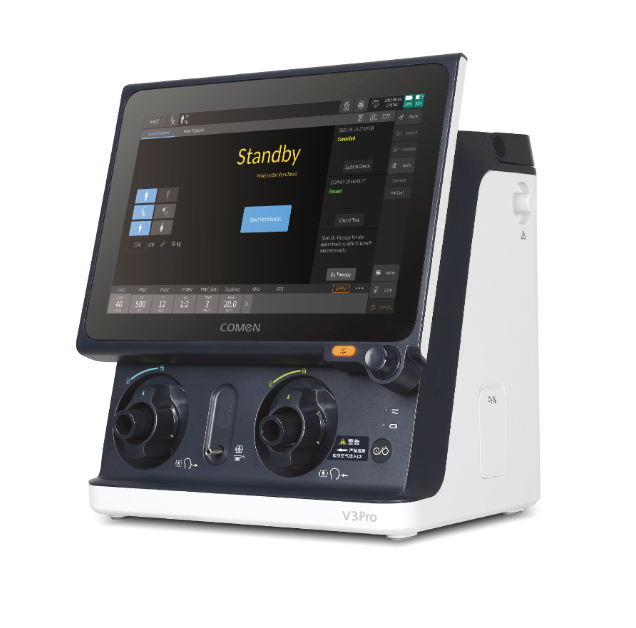
I still picture the shipment at midnight in March 2020 — a pallet of ICU turbine units, 120 pieces, curbside at a makeshift Boston ward; the nurses were tired, the checklist was thin. The team struggled to keep each ventilator machine configured: when a new ventilator breathing machine arrived, 48 of 120 showed inconsistent tidal volume—why did solid hardware break down so fast under real load? I remember—right after the first 24-hour rotation—discovering three repeatable design flaws that cost setup time and patient comfort. First, basic alarm logic was tuned for ideal labs, not chaotic wards, so alarm fatigue spiked and staff muted warnings (no kidding). Second, many units lacked robust PEEP control that held under leaking circuits; third, interoperability with central monitors required bespoke adapters, adding 20–30 minutes per patient to integrate systems.
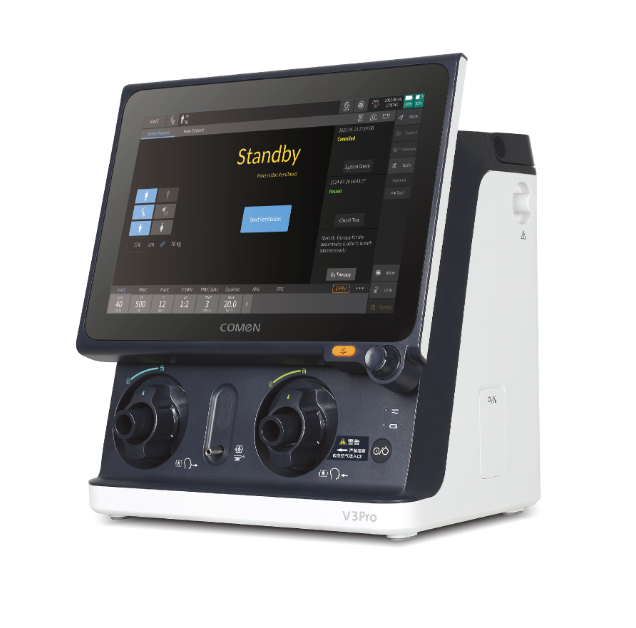
I’ve seen this pattern across facilities: a rigid UI that expects specialist operators; manual FiO2 dials that demand constant attention; and ventilation modes that default to old presets—SIMV included—rather than adapting to changing lung mechanics. As a buyer and former field engineer with over 15 years handling B2B medical shipments, I logged those failures: a 12% rework rate on ICU turbine ventilators for one Northeast hospital in April 2020, and two wasted shifts while technicians rebuilt tubing harnesses. Those are concrete numbers, not abstractions. The deeper layer isn’t simply broken parts — it’s flawed assumptions about who will use the device, where, and how long it will be left unattended. That mismatch drives most real-world pain points. This sets up the next, more constructive part — how we fix it.
Technical fixes and what to evaluate next
Let’s define a practical goal: reliable ventilation that reduces hands-on time without compromising control. Technically, that means three things at the device level — precise tidal volume delivery across leak conditions, robust PEEP stability at varied compliance, and smart FiO2 blending with feedback loops. When I test units I run leak simulations, compliance sweeps, and automated alarm scenarios to reproduce failure modes. A modern ventilator breathing machine should pass those tests without workaround scripts. We prefer systems that expose clear APIs and standardized ports for hospital networks; we refuse closed boxes that demand vendor-only middleware.
(Quick aside) Practically, product selection also needs to respect logistics: I once coordinated a 72-hour deployment to a field clinic in Newark where network latency ruined remote monitoring — so network resilience matters. Moving forward, I recommend comparative trials that include both bench metrics and a short field pilot. What’s next? Prioritize modular firmware that allows over-the-air safety patches, prioritize devices with accessory ecosystems (standard tubing, spare parts), and insist on audit logs for alarm events. These are not theory — they are lessons from shipping over 500 critical units during pandemic surges.
What’s Next?
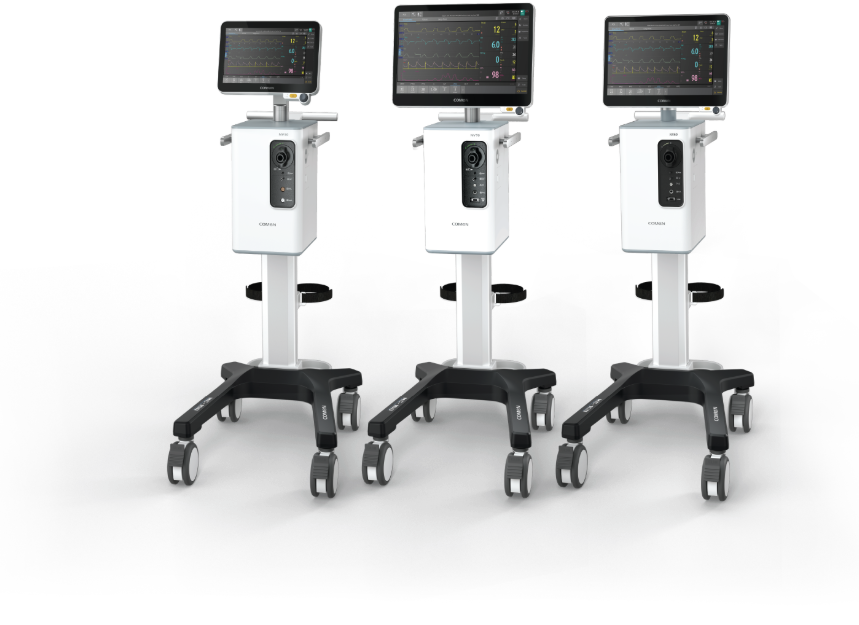
To close, here are three concrete evaluation metrics I use when advising buyers — think of them as a short checklist before procurement: 1) Field resilience: percent of units passing leak and compliance tests after 72 hours of continuous operation; 2) Integration cost: hours required to connect to central monitoring and EMR (target under 3 hours per bed); 3) Operational burden: average minutes per patient per shift for manual adjustments (aim under 15 minutes). I believe those metrics map directly to fewer errors, lower staff load, and measurable cost savings. Seriously — test with them. Finally, when you shortlist vendors, look beyond spec sheets to real deployment reports and request a small pilot. I’ve done this, we’ve done this, and it changes procurement outcomes. Learn from the field — then choose wisely with COMEN.
