

Why This Matters Now
Peak shaving is simple to say and hard to do right. Residential energy storage systems sit at the center of that gap, humming along while your house breathes in power and pushes it back. I’ve spent over 17 years building, selling, and tuning home energy storage systems for real families, not lab benches. In August 2023, I walked a block in East Austin during a heat wave—air thick as soup, transformers buzzing, smart meters blinking red at 6:05 p.m. Time-of-use rates jumped to $0.38/kWh from 4–9 p.m., yet several homeowners still hit their peaks. Why? Their batteries showed “full,” but the state of charge (SoC) buffer and the battery management system (BMS) wouldn’t let that energy move fast enough. The math was right; the control was wrong (and the house felt it).
I can smell a hot panel from 20 feet, and I know when a power converter is about to cry uncle. Trust me, this isn’t rocket science, but it does need honest setup and clear limits. I kept asking: if the battery is “full,” why do the breakers still chatter when the 4-ton heat pump starts? The answer lives in the details—SoC windows, surge headroom, and what the inverter does in that first half-second of load. That’s where performance is won or lost. Let’s move to the part most folks never see.
Where Traditional Setups Fall Short
Why do “full” batteries still leave you in the dark?
Let me be blunt. Older installs often lock away power you paid for. I’ve opened cabinets and found backup reserve set to 50%, which means half your capacity is stuck behind glass. Add a 5 kW hybrid inverter that sags when a 4-ton heat pump pulls 50–70 A at start, and you get inverter clipping right when you need muscle—boom, grid draw spikes. In one Round Rock home, that single mismatch added 38% to peak charges over 90 days. The BMS wasn’t “bad”; it was conservative, with a narrow SoC window and timid surge rules. Firmware shipped that way to play safe against thermal runaway, and who can blame them? But safety doesn’t have to mean sluggish. I’ve seen 10 kWh packs that never deliver more than 4 kW because of a legacy limit baked into an old update— and yes, I learned that the hard way. The hidden pain point isn’t capacity; it’s the first second of demand. If the inverter and battery don’t agree on surge, your lights stay on, but your bill tells another story.
Smarter Tech, Cleaner Results
What’s Next
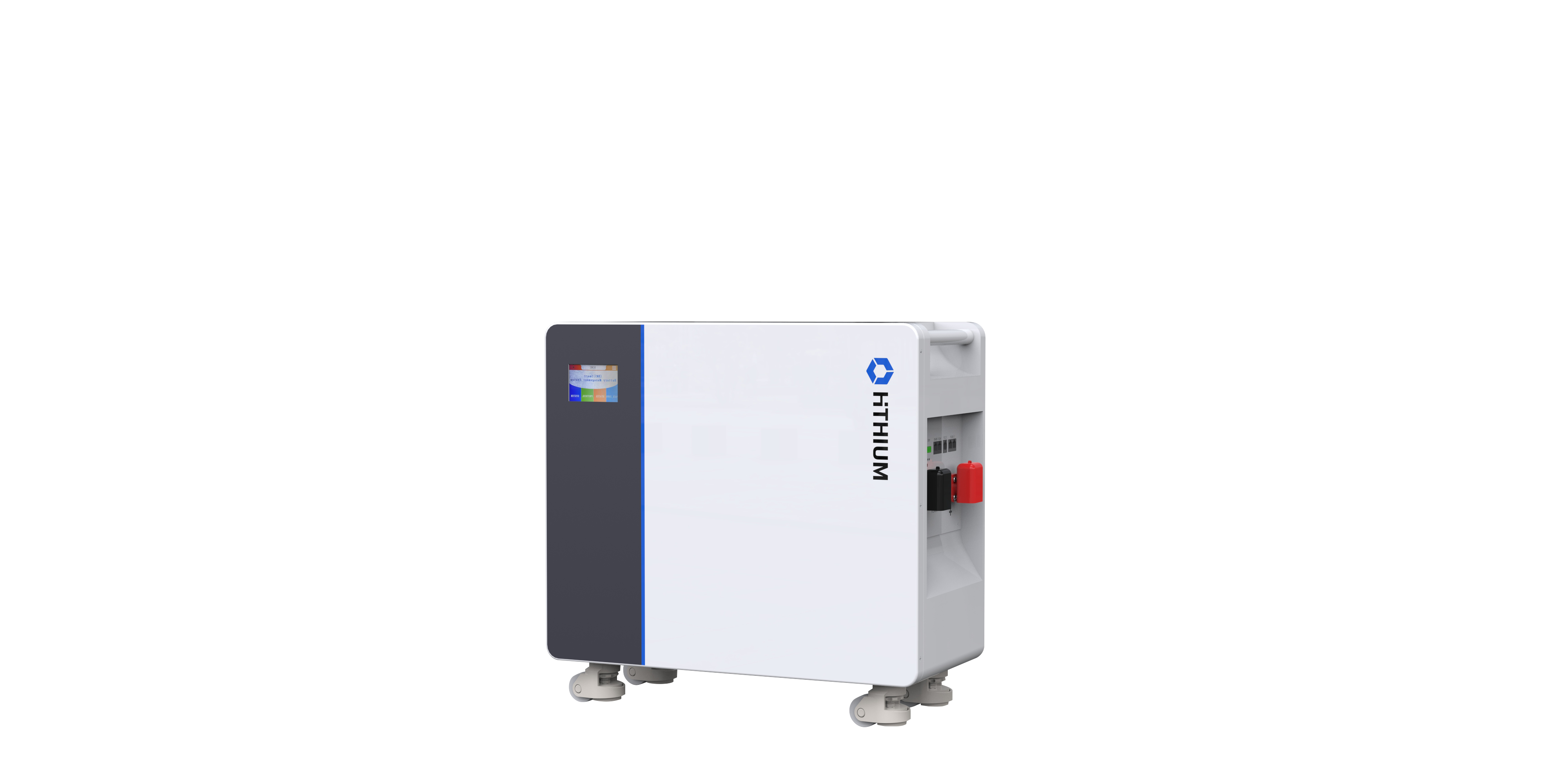
Here’s what changed the game in my projects. New LFP cells with higher C-rate, plus adaptive BMS control, let me widen that SoC window without flirting with heat. Systems that pass UL 9540A with margin give room to breathe. When I pair a 10 kWh wall unit with a 7.6 kW hybrid inverter and microinverters on the roof, I can map surge headroom for the first second and hold 6 kW continuous. An edge controller on the wall watches loads at 100–200 ms intervals, predicts the heat pump start, and lifts output before the spike. That tiny timing shift cuts grid draw and keeps the lights, and the bill, steady. In a Cedar Park retrofit last fall, this setup trimmed demand peaks by 34% in two weeks of TOU cycling. Better yet, we kept reserve at 20% for storms and still covered dinner hours. Small moves; big change.
Comparing old and new control is like watching two drivers handle the same turn. One brakes late and slides. The other sets the line early—smooth, quiet, stable. Modern home energy storage systems use forecast-based dispatch, inverter pre-boost, and tighter sensor loops to steer cleanly. They also island faster, so your fridge doesn’t hiccup. I prefer solutions that show round-trip efficiency above 92% in real TOU cycling, not just the brochure. And I want firmware that learns. If the system can see your dishwasher and heat pump patterns and adjust charge windows overnight, you stop chasing settings. You start living with them. I’ve stood in kitchens at 8:15 p.m., listened to the compressor kick, and watched the inverter stay cool— small cheer from the homeowner, small win for me.
How I Choose Winners (Three Filters You Can Use)
I don’t buy the hype. I trust three checks that have saved my clients money and spared me weekend callouts. First, surge and continuous power, stated at room temp and at 0–5°C: the spec must list both, and I want at least 2x surge for one second. If that line is vague, I walk. Second, usable capacity after reserve at your real settings, not the lab default: show me 80% usable with reserve on, and round-trip efficiency above 91% under a 0.5C cycle. Third, control visibility: I need per-circuit data at sub-second sampling, a plain SoC target, and open access (Modbus or REST) so I can tune without begging support. One more thing—safe by design. UL 9540A reports should be on the table, not behind a login. When these boxes are ticked, homes ride through dinner, storms, and rate spikes with ease— and I sleep better. That’s the bar I hold as a consultant and retailer, and it’s the bar I recommend you use. If you need a steady partner on this road, I’ve had solid experiences with cells and packs from HiTHIUM.
