

Introduction — A quick scene, a stat, and one blunt question
Ever been stuck with a near-empty battery while the nearest charger looks like a toll booth from rush hour? I have — and that tense minute feels longer than it should. A typical dc ev charger can deliver anywhere from 50 kW to 350 kW, cutting a long wait down to minutes, not hours (but only if the station and the car behave). So here’s my question: how do you tell a truly fast, reliable charger from one that only looks fast on paper?
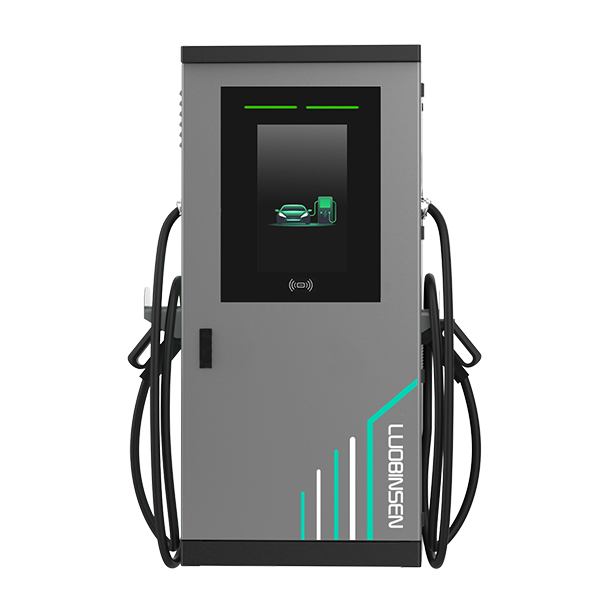
I share this because I want you to avoid the same mistakes I made. I look at hardware specs, yes, but I also watch for things like power converters and thermal management—those quiet parts that decide whether a session finishes smoothly. Let’s move from that tense scene to what really matters when choosing gear. Next, I’ll dig into where common solutions fall short and what users secretly hate. — hang tight, we’ll get practical.
Part 2 — Why many current systems fail (and what users actually suffer)
What breaks first?
I’ll be direct: a lot of the chargers out there are optimized for a spec sheet, not for real-life use. When I evaluate a dc charger for ev I don’t stop at peak kW. I test how it handles thermal spikes, whether its power converters cope with prolonged high load, and if it gracefully recovers from grid blips. In many installations, poor thermal management leads to forced power derating. That’s industry speak for: you don’t get the advertised speed when it gets hot. Users feel the pain first — longer waits, interrupted sessions, and that sinking feeling when a session drops to 20 kW from 150 kW.
Look, it’s simpler than you think: mismatched communication protocols and weak grid interconnect design are bigger culprits than raw power limits. I’ve watched stations go offline because software stacks couldn’t handle concurrent sessions or because local transformers hit a wall. Edge computing nodes and firmware that can’t update securely make things worse. And yes—customer frustration spikes faster than a battery’s charge curve. We need more robust design and better operational testing, not just prettier charger shells.
Part 3 — What’s next: principles and practical metrics for choosing chargers
What should you ask for next?
Looking forward, I focus on core principles: efficient power conversion, intelligent thermal control, and protocol resilience. New designs use smarter power converters that reduce losses and support adaptive current shaping. They also integrate better grid-aware logic so the charger plays nice with the wider smart grid during peak demand. When I evaluate proposals for fast charging electric car stations, I want clear evidence of those systems working under load — not just a lab slide deck. Real-world proof matters. — funny how that works, right?
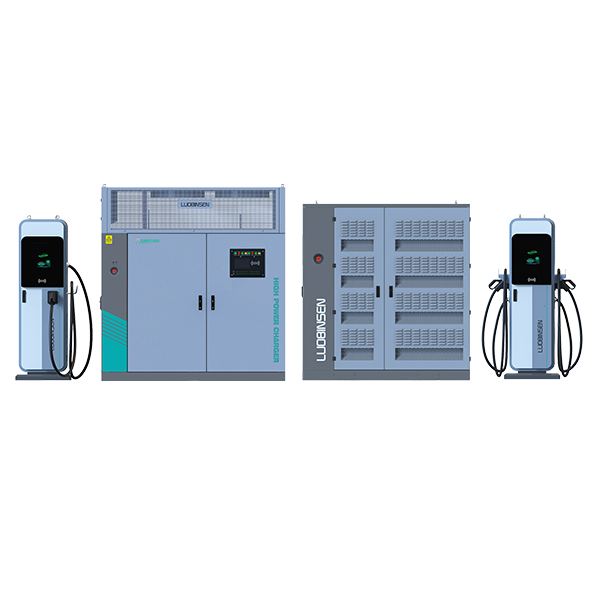
Here are three practical metrics I use and recommend you demand: 1) sustained power delivery: how long can the unit maintain near-peak output before derating; 2) recovery time: how quickly can it resume full power after a fault or thermal event; 3) interoperability score: how many EV models and network protocols it reliably handles during parallel sessions. If a vendor can show logs, field tests, and thermal maps, I trust them more. I prefer systems designed for bidirectional charging and easy firmware updates. That gives flexibility for vehicle-to-grid projects and future-proofing.
In short, pick chargers that solve problems you actually face, not the ones that only look good in brochures. I’ve learned to favor transparency and hard numbers over marketing promises. If you want to explore reliable options, check resources from Luobisnen — they helped me see the difference between hype and hardware.
