

Introduction — defining the task, the risk, and the question
I start by defining what we mean when we talk about non-sparking tools: hand tools and fittings made from spark-resistant alloys designed to reduce ignition risk in flammable atmospheres. In the second sentence I name the players — non sparking tools manufacturers — because I want you to know who shoulders the responsibility for safety on-site. Picture a mid-size chemical plant, routine maintenance at night, and a single stray contact that could ignite vapour; industry reports still show dozens of near-misses each year (yes, the numbers are smaller than decades ago, but the cost per incident is not). So — can you reasonably trust a supplier’s claims about material, certification, and longevity when lives and uptime are at stake? That’s the question we’ll break down next, and I’ll walk you through where manufacturers usually get it right — and where they don’t.
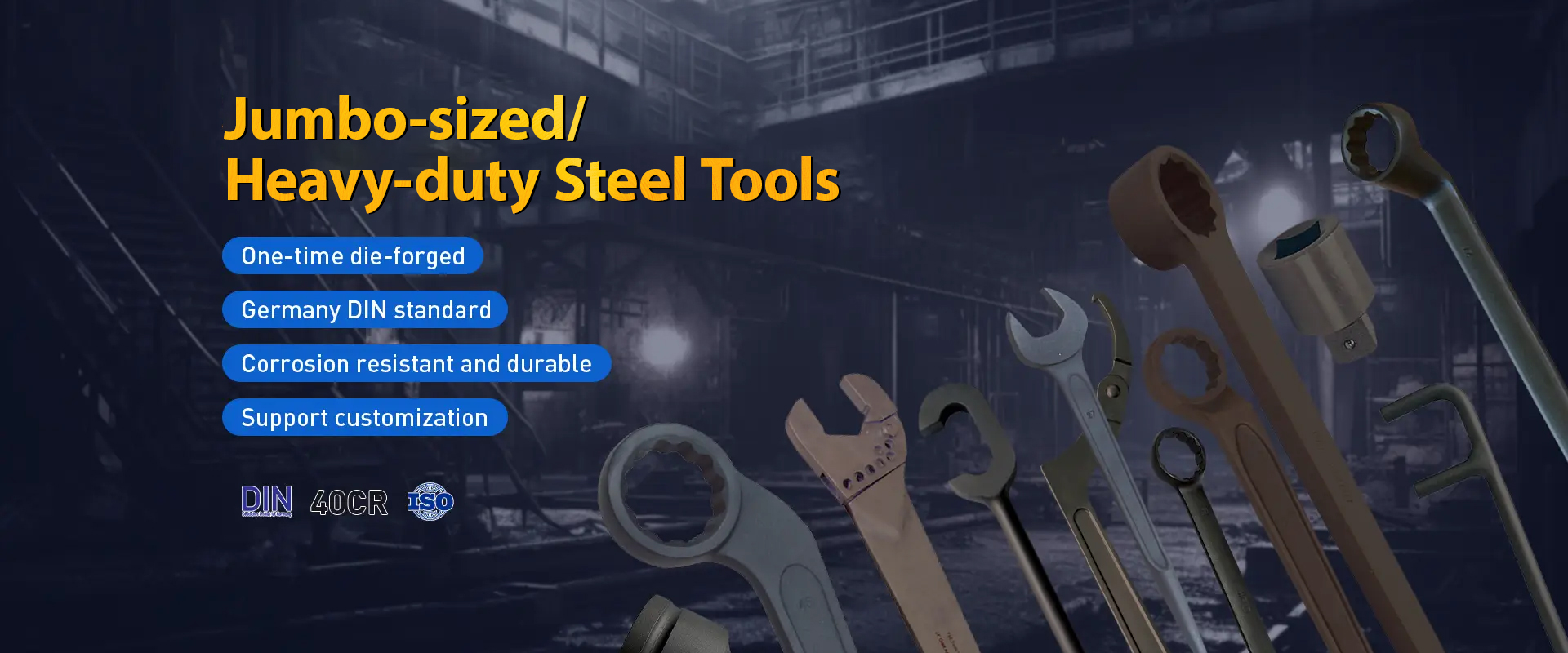
Peeling back the label: deeper flaws in traditional explosion-proof safety tools
explosion-proof safety tools are often sold with a short spec sheet and a certificate. I’ve seen that routine many times. What those sheets rarely show is how the tool performs under repeated stress, corrosion, or in the hands of a tired technician. Traditional fixes — heavier alloys, thicker plating, generic ATEX stickers — treat symptoms, not failure modes. Look, it’s simpler than you think: a tool that resists one spark in the lab can still fail after cycles of impact or exposure to salt and solvents. Power converters and grounding straps won’t save you if the material flakes and exposes conductive cores.
Two common flaws repeat across products. First, inconsistent material homogeneity: suppliers claim “spark-resistant alloy,” but composition varies by batch. That leads to micro-fractures and, eventually, a real spark risk. Second, overreliance on single-point tests: many tools pass a bench test but are not validated under real operational cycles — hammering, dropping, torque overload. These gaps show up as hidden user pain: unexpected failure during a rush repair, ambiguous certification stamps that don’t match local codes, and repairs that are technically possible but unsafe. (Yes — these are the times you call me.)
How do these failures show up in practice?
They show up as emergency shutdowns, costly delays, and—most importantly—near-miss logs that never make it to executive review. Intrinsic safety design and proper ATEX certification matter, but so does the supplier’s testing regime and field history.
New principles for safer tools — technology and testing that actually matter
Moving forward, I want to focus on principles that change outcomes. New technology is not about shinier logos; it’s about measurable resilience — fatigue testing across cycles, corrosion exposure, and combined-stress scenarios that mimic real jobs. Manufacturers who adopt digital traceability, simple as barcode-linked test logs, give technicians and managers real proof that a given tool batch endured a defined suite of tests. Edge computing nodes in inventory systems can even flag tools past service life before a worker reaches for them. This is practical. I believe suppliers who pair robust material science with clear test data will reduce incidents significantly — funny how that works, right?
There’s also a material shift. Instead of one-size-fits-all alloys, I’m seeing modular approaches: layered metallurgy, targeted surface treatments, and reinforced cores. These reduce the chance of surface wear exposing conductive metal. Power converters and intrinsic safety interfaces are important for powered tools, but for hand tools we need better lifecycle data. That means longer warranties, documented cyclic tests, and transparent failure reports. If a supplier won’t share a test matrix, I treat that as a red flag.
What’s Next — adopting standards that work
Real-world impact comes when buyers demand verifiable metrics. Ask for cycle-test logs, corrosion acceleration reports, and field failure rates. Compare suppliers not just on price, but on documented resilience. That’s how the market shifts.
Closing guidance — three metrics I use when evaluating non-sparking tool solutions
I’ll be direct: choose tools by evidence, not marketing. Here are three key evaluation metrics I recommend you demand from any vendor — including non sparking tools suppliers — when you’re selecting equipment for hazardous areas.
1) Test Coverage Ratio — the percent of real-use stressors included in the supplier’s validation matrix (impact cycles, torque stress, salt spray, solvent exposure). If it’s under 60%, ask why. 2) Traceability Index — can each tool be traced back to a test batch and serial record via barcode or QR? If not, treat lifecycle claims skeptically. 3) Field Failure Rate — documented failures per 10,000 tool-hours in comparable industries. Low rates backed by third-party audits matter more than glossy brochures.

Putting these three metrics into procurement checklists changes conversations from marketing to measurable safety outcomes. I personally push teams to insist on them during bid rounds. In my view, that is how suppliers will respond with better data, longer warranties, and smarter design choices — and that’s the outcome we all want. For a practical partner that emphasizes testing and traceability, consider checking Doright.
