

Introduction — a short lab moment, some numbers, and a question
I was at the bench last week, watching a sample turn cloudy and thinking about what that small change means for a whole experiment. In many of our workflows, tissue dissociation single cell becomes the gatekeeper: it decides whether downstream data are usable or noisy. We see it in the numbers — yield drops of 30–50% after rough handling, and RNA integrity scores that fall below acceptable cutoffs (this happened on a Tuesday — funny how that works, right?). So I ask: how much does the dissociation step really change your single-cell readout, and what can we do about it?
I want to share what I’ve learned from hands-on runs, success and failure alike. I’ll keep it practical and polite — clear steps, simple logic. Next, let’s dig into where standard methods stumble and why those stumbles hurt your data.
Deeper layer: where traditional tissue dissociation methods fail
tissue dissociation often gets treated as a simple “grind-and-go” step, but that mindset hides real problems. Enzymatic digestion times are set by habit rather than measurement. Mechanical shear is tolerated because it’s fast. The result? Lower cell viability, uneven single-cell suspension, and biased representation of fragile cell types (I’ve seen neurons disappear from a dataset after one harsh pipetting session). Look, it’s simpler than you think — small changes matter.
What commonly breaks in the process?
First, enzyme over-digestion harms surface proteins and reduces cell viability. Second, rough mechanical disruption creates debris and cell fragments that confuse microfluidics and FACS. Third, inconsistent temperature control speeds up RNA degradation and kills sensitive cells. Those are not abstract faults; they show up as missing clusters in your single-cell analysis and low RNA integrity numbers. We use terms like enzymatic digestion, cell viability, single-cell suspension, and RNA integrity because they map directly to measurable failures. I’ve lost experiments to each of these issues — that’s why I’m careful now.
Forward-looking: new principles that change outcomes
We can do better by shifting principles. Rather than forcing tissues through generic protocols, I favor adaptive dissociation: monitor cell viability in real time, tune enzyme mixes to tissue type, and limit shear with gentle agitation. These ideas are not wild — they combine controlled enzymatic blends with calibrated, low-shear mechanical steps. Using microfluidics-friendly suspensions reduces clogging and protects fragile cells. The net effect is higher yield and truer representation of cell diversity — and yes, you get more reliable single-cell reads.
What’s Next — integrating automation and feedback. Imagine a dissociator that measures cell size and viability mid-run, then adjusts rotation or enzyme exposure. That reduces operator variability and preserves RNA integrity. I expect to see more instruments that tie dissociation parameters to downstream quality metrics (UMI counts, percent mitochondrial reads). We should judge new tools by how well they protect rare cell types and stabilize cell viability — not just by speed. Here are three practical metrics I use to evaluate a dissociation workflow: viability after dissociation, percent of debris in final suspension, and RNA integrity number or equivalent quality score. Use these, and you’ll make better choices.
Closing thoughts and practical advice
I write from the bench: I’ve thrown away data and learned to fix processes. If you take one thing away, let it be this — tissue dissociation is not a nuisance step; it is experimental design. Start small: measure viability, tweak one variable at a time, and track RNA integrity. Don’t accept “that’s how it’s always been done.” Be curious. Be methodical. And if you want tools that help make those adjustments repeatable, check trusted suppliers.
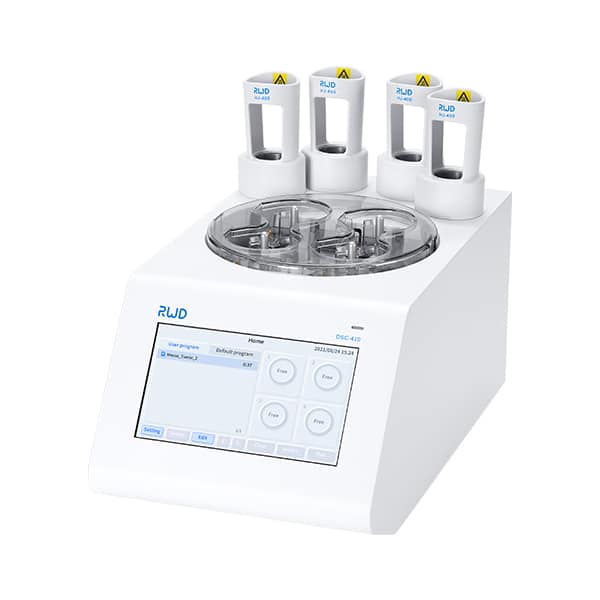
For me, the right balance of technique and tool turned a fragile protocol into a routine that gives consistent single-cell maps. — I still double-check the samples, every time. For instruments and consumables that support this approach, I trust solutions like those from BPLabLine.
