

Introduction — Power, Proof, and a Question
I’ll say it plainly: the right machine changes everything. Today’s factories sprint on precision and uptime — and that’s where turret lathe manufacturers come in. I’ve watched shops lose hours to tool changes and awkward setups; industry reports show tooling downtime can eat 10–20% of productive hours (yes, really). So I ask you: are your machines helping you win or holding you back? I want you to feel confident — pumped, even — as if you’re warming up for a heavy lift. We’ll break down where the gains hide and where the losses hide. Ready to dig deeper? Let’s move into the nuts and bolts. — stick with me for the next part.
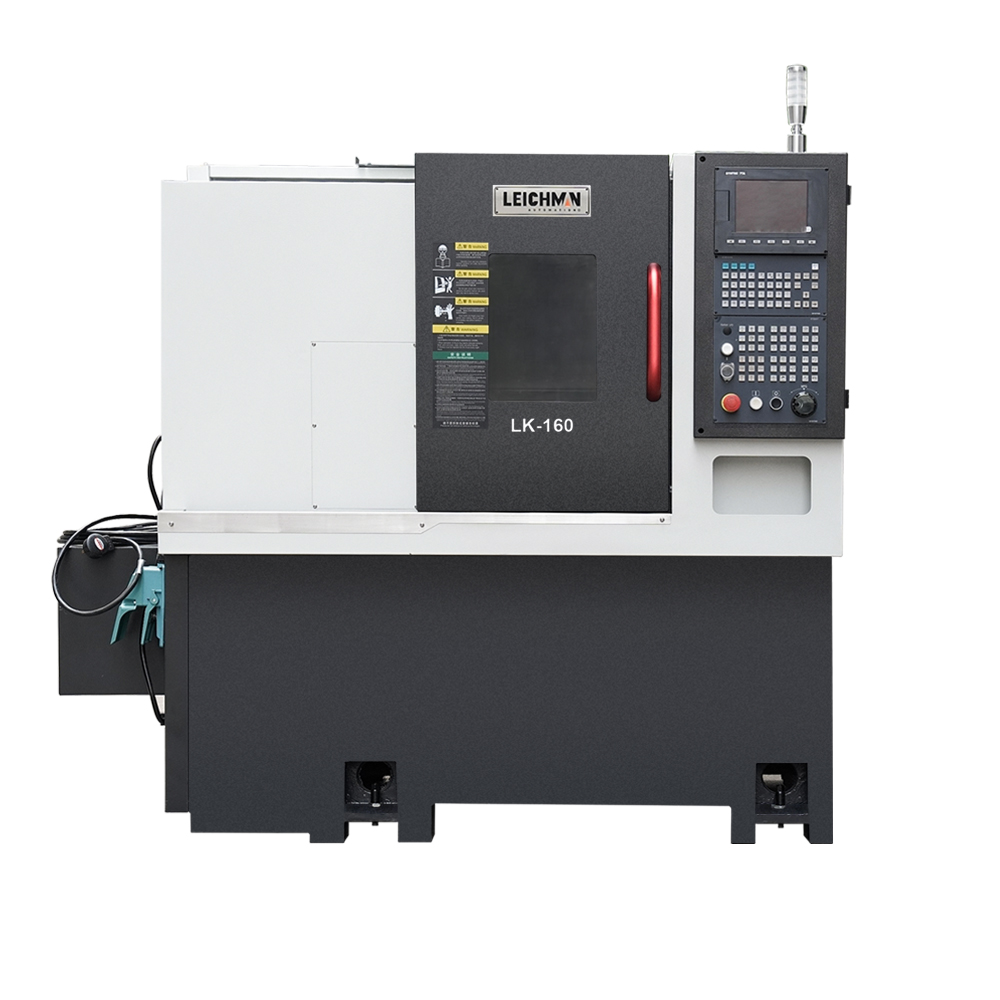
Deeper Problems: Why the Live Tool Turret Often Stumbles
live tool turret is a game-changer on paper, but in practice it exposes weak spots in old workflows. I’ve seen setups where spindle speed management and turret indexing conflict with legacy CNC control, creating vibration or lag. That’s frustrating — and costly. In technical terms, poor synchronization between spindle speed, tool offset values, and turret indexing amplifies cycle time and wears tools prematurely. Look, it’s simpler than you think: if the control can’t manage rapid index and live tooling at the same time, you get chatter, scrap, and wasted shifts. — funny how that works, right?

On the shop floor I notice two recurring faults. First, tool offset routines are treated as an afterthought; operators patch offsets manually, leading to variation part-to-part. Second, heat build-up from mismanaged spindle regimes shortens tool life and stresses bearings. We can call out root causes — suboptimal CNC control parameters, slow turret indexing motors, and incomplete maintenance — but naming them doesn’t fix them. I feel strongly that acknowledging these flaws honestly is the first step toward durable fixes. (Yes, I’ve sweated over this on more than one late shift.)
What’s the single biggest snag?
In my experience: inconsistent synchronization between live tooling and main spindle. That mismatch sneaks in as inconsistent part geometry — and nobody likes surprises in inspection reports.
Forward Outlook — Case Example and Practical Steps
Let me walk you through a short case example: a mid-sized shop I worked with swapped older turret heads for a modern live tooling package. They also consulted vertical turret lathe manufacturers to align tooling specs and control updates. Within weeks, cycle time dropped by 12% and scrap fell noticeably. We did three things: updated CNC control firmware, standardized tool offset routines, and tuned turret indexing parameters. The change wasn’t magic. It was careful measurement, small iterations, and—importantly—operator training. That human element matters a lot more than companies admit.
Looking ahead, I expect modular control upgrades, smarter spindle tuning, and better diagnostics to push the next leap. Real-world impact will come from systems that natively handle high-speed turret indexing with live tooling, not from bolt-on band-aids. What’s next? Shops will demand transparent performance metrics and easier retrofits. — and yes, retrofits can be painful, but they’re often the smartest move financially.
What’s Next?
If you’re choosing new equipment or planning upgrades, evaluate using three practical metrics: 1) True cycle time under workload (not marketing numbers), 2) ease of tool offset management for repeatability, and 3) the control’s ability to synchronize spindle speed and turret indexing without manual override. I recommend scoring each metric on a simple 1–5 scale. That gives you clarity. I care about results — and so should you.
Closing Thoughts
I won’t pretend there’s a single answer for every shop. But I will say this: we improve by measuring, by being honest about where tools and controls fail, and by choosing partners who help close those gaps. I’ve seen good choices pay off as reduced scrap, happier operators, and fewer late-night fixes. If you want a practical partner as you evaluate options, check out Leichman. They’ve been in the space long enough to understand the trade-offs—and they listen. Go on—make the machine work for you.
