

Introduction — a small shop moment, a big number, one question
I remember walking into a mid-sized shop where a tired operator shrugged at me and said, “We make parts, not miracles.” That scene stuck because it framed the math: small shops and large plants alike report downtime losses of 8–12% on average, a figure that quietly eats profit margins (and morale). Turret lathe manufacturers are watching that number climb while customers demand faster turnaround and tighter tolerances. So I ask: how do we reconcile human workflow with machine capability without adding complexity that nobody wants? This is more than a technical puzzle — it’s a human one. I’ll sketch the landscape, call out the friction points, and then point to practical, user-first steps you can take next. Let’s dig into the real frictions and what they mean for the shop floor.
Traditional solution flaws and hidden pain points (technical lens)
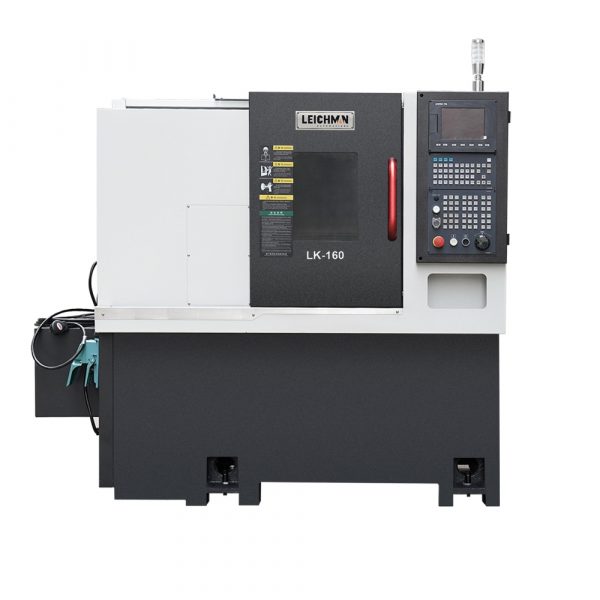
cnc lathe turret designs promised modularity and speed, but in practice they often shifted the problem rather than solved it. Mechanically, tool turret indexing and repeatability depend on clean interfaces between servo motor drives, spindle speed control, and the turret head. When one element drifts, the whole cycle suffers: misfeeds, longer setup, and scrapped parts. From the operator’s side, legacy control panels and cryptic fault codes create cognitive load. I’ve seen excellent machines run poorly because operators couldn’t translate a fault code into an effective action. Look, it’s simpler than you think — often the fix is process clarity rather than a wholesale retrofit.
What breaks first?
Two technical causes repeat in my experience: first, wear at mechanical joints and poor calibration routines; second, software that treats alarms as separate events instead of symptoms. That shows up as inconsistent feedrate, chatter at high spindle speed, or tool turret misalignment during long production runs. Add edge computing nodes or basic IoT telemetry, and you still need clear maintenance rules and human-friendly diagnostics. In short: more data without better action is just noise. I feel strongly that makers should prioritize readable feedback and robust calibration — otherwise small faults become catastrophic. — funny how that works, right?
New technology principles and practical criteria for choosing upgrades
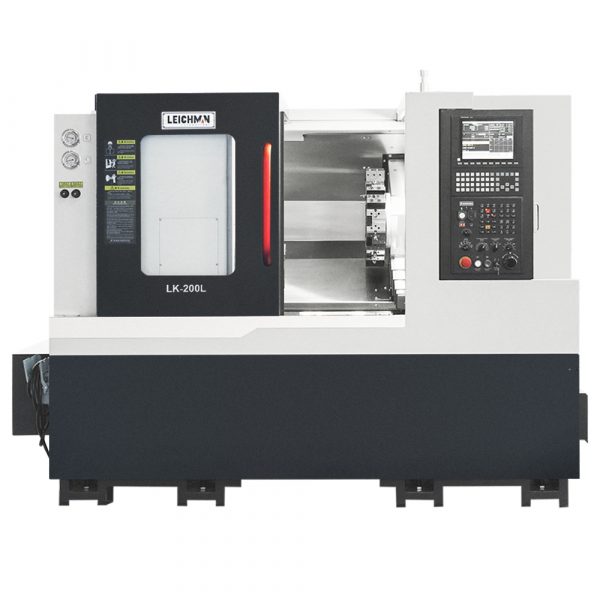
Looking forward, I favor principles over hype: resilient design, predictable diagnostics, and human-centered controls. Modern cnc turret lathe machine implementations that succeed blend improved mechanical tolerances with smarter, not louder, electronics. For example, sensors that measure spindle vibration and feedrate in real time can flag bearing wear before tolerance drifts. But that telemetry must map to simple operator actions: tighten, replace, or schedule service — not “check the logs.” I’m passionate about tech that respects the operator’s time and keeps the workflow flowing. I want tools that empower people, not confuse them.
What to test before you buy
Measure three things: calibration repeatability, mean time between faults, and the clarity of fault-to-action mapping. Ask vendors for real-world case data, not glossy slides. Compare control interfaces hands-on — a shop floor tech should be able to diagnose a common fault in under five minutes. I know, sounds odd for some vendors to let you test, but insist on it — it separates theory from reality — and saves headaches later.
Closing — three practical metrics and a concise reflection
To finish, here are three evaluation metrics I recommend when you choose solutions: 1) Diagnostic-to-action time — how long between an alarm and a clear, doable operator instruction; 2) Calibration drift per 100 hours — lower is better and shows mechanical resilience; 3) Mean productive cycle increase — measure real throughput gains, not just peak spindle speed. These metrics keep the conversation grounded in what shops actually need: reliability, clarity, and measurable improvement. I’m personally convinced that small, user-centered changes often yield the biggest returns. So take this as a nudge: test with people, not just specs. If you pick vendors who respect that, you’ll see real gains. Leichman
