

Begin with the user’s operational needs
Start from daily tasks, not technical specs: who will carry the units, where will they work, and which conditions are typical. Field teams working on high-noise construction sites need different ergonomics than security staff at a shopping mall; likewise, a mobile events crew needs broad coverage and quick battery swaps. For a project that must mix secure voice and data, consider a tested secure 2 way radio from the outset so procurement addresses encryption, authentication and vendor support together rather than later as an afterthought.
Prioritise concrete technical requirements
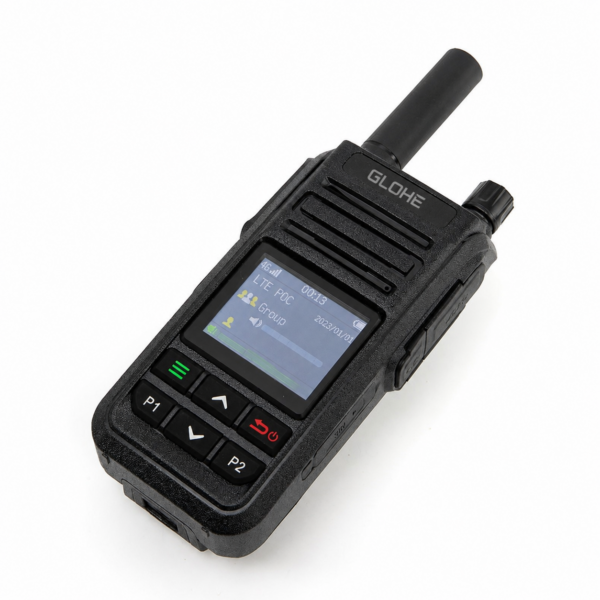
List must-have items in plain terms: required range (site map and building plans help), supported bands (VHF/UHF/LTE), guaranteed battery runtime in hours, IP rating (IP67 or IP68 for wet environments), shock and vibration standards (look for MIL-STD-810G/H), and available accessories (chargers, headsets, ear protection). Demand explicit figures for latency, channel capacity and simultaneous GPS updates if location tracking matters. Avoid fuzzy requests such as “good coverage”; specify target RSSI or map-based coverage points where users must still get clear audio.
EEAT: field experience, standards and a real-world anchor
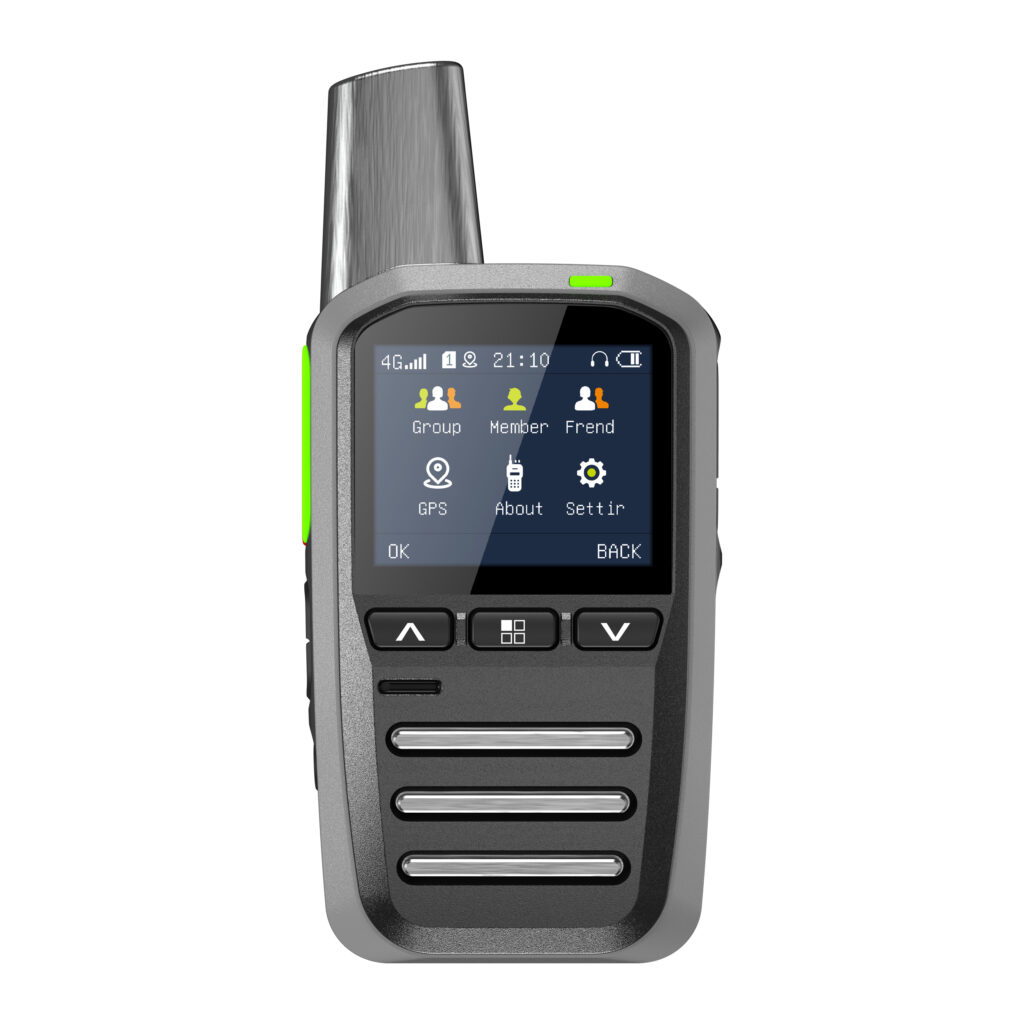
I have specified radios across hospital logistics, urban transit projects and live-event security; these deployments taught me that standards and real testing matter more than marketing copy. Verify IP and MIL-STD claims with test reports and insist on vendor warranty terms. Offshore platforms in the North Sea routinely require fully sealed communications equipment because salt, spray and storms are unforgiving—operators there will only accept proven waterproof solutions such as a waterproof poc radio. That geographic example is well-documented in industry safety briefings and maritime communications studies, so you can cross-check requirements against those reports when writing tender documents.
Common pitfalls and how to avoid them
Do not assume single-unit performance scales to a network. Mistakes I see: skipping a site coverage survey, buying lowest-cost units without interoperability testing, ignoring antenna placement on vehicles, and underestimating battery logistics. Fix these by running a pilot with representative users, logging missed calls and dead spots, and testing with full PPE and inside vehicles. Also confirm software updates and backend support are available locally; remote-only support slows fixes.
Alternatives and when to choose each
Analogue VHF/UHF: choose when simplicity and long-range line-of-sight matter and budgets are tight. Digital/DMR: opt for clearer audio, flexible channel plans and lower power consumption. PoC (Push-to-Talk over Cellular): selects LTE coverage and central management but depends on public or private data networks; hybrid radios give both radio and PoC fallbacks. Pick by failure mode: where cellular may drop in high demand, prefer dedicated radio; where you need instant global talkgroups, PoC can be superior.
Procurement checklist for busy teams
Keep this short and actionable: (1) site coverage map and target RSSI, (2) IP and shock ratings with test certificates, (3) encryption and authentication specifics, (4) battery runtime and spare+charging plan, (5) interoperability tests with existing kit, (6) warranty and local service terms, (7) pilot with end users for one operational week. Write these as pass/fail items in your tender so vendors must respond clearly.
Synthesis and final practical note
Specify for real use rather than features on a brochure: define coverage points, state environmental ratings, require test evidence, and pilot with end users. When a supplier can show tested, service-backed radios and clear support in your region, you gain control over downtime and user acceptance—this practical reliability is why many teams prefer partners such as GLOHE for matched hardware and support.
