

A simple why: what good automation smells — and sounds — like
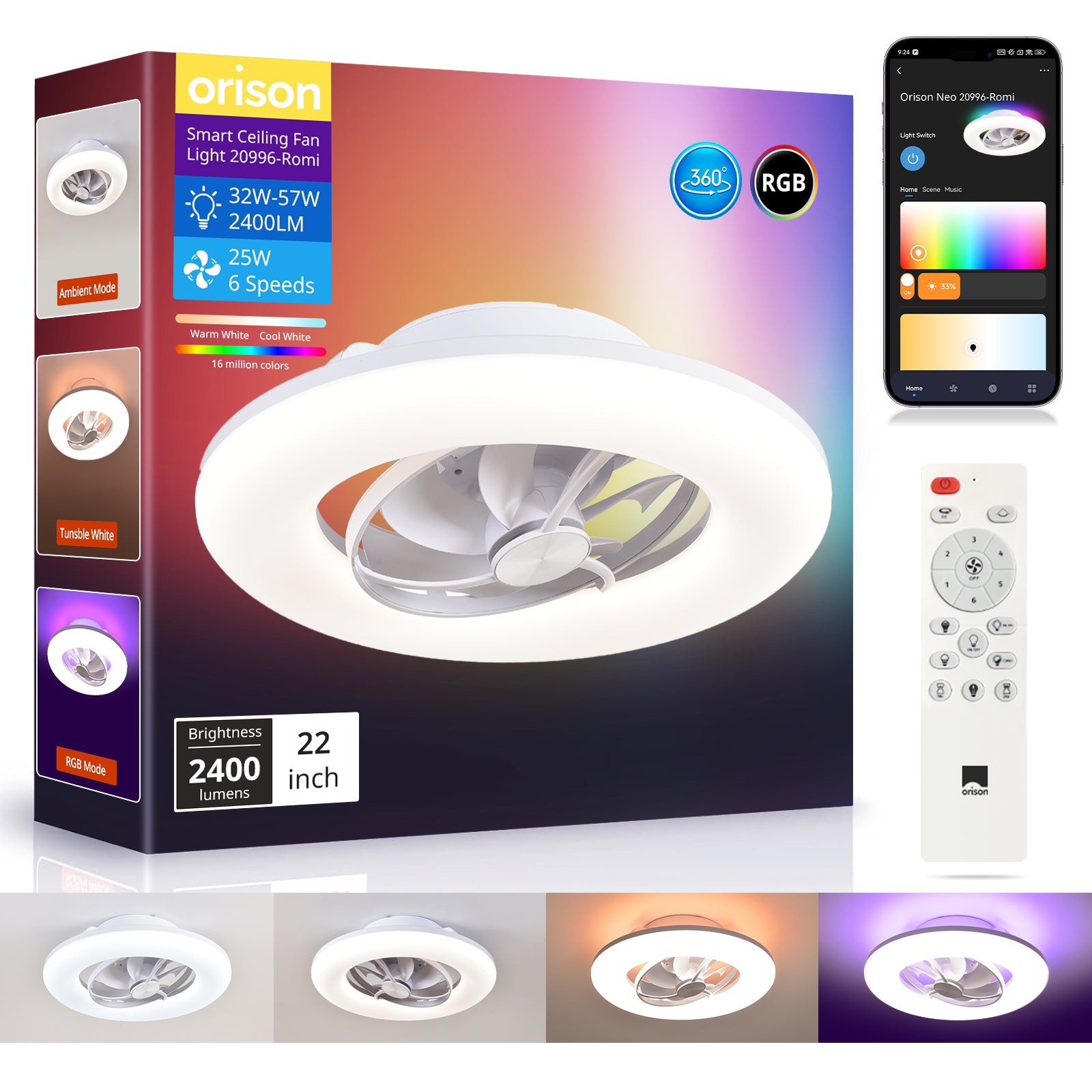
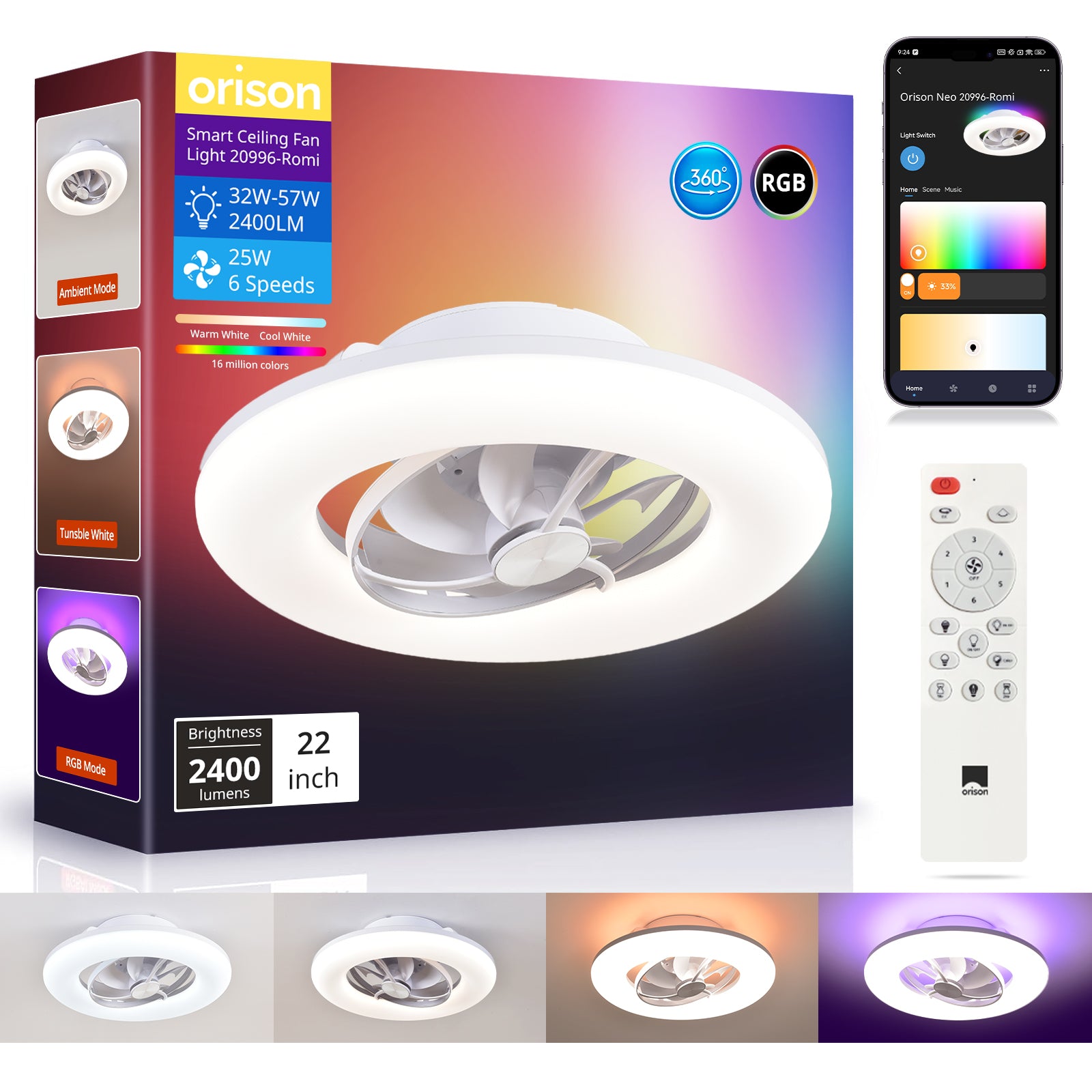
Imagine the quick, clean snap of steamed linens being whisked away: that’s the result of good automation. You want the room dry, neutral, and quiet—no lingering humidity, no runaway motor noise. For many homes, a modest smart fan paired with a clear app rule does the heavy lifting. If you already have a multi-mode device like a ceiling rotating fan, the goal is to make it respond as naturally as a hand turning a knob, except smarter and invisible.
Key user-centered rules that actually help
Start small and sensible. The rules below are kitchen-tested: quick, effective, and forgiving.
- Humidity trigger: If humidity sensor reads above 60% for two minutes, run fan for 10 minutes (adjust threshold to local climate). — this handles post-shower steam without manual taps.
- Motion + door logic: If motion stops and the door closes, start a short timer (3–5 minutes) to clear residual moisture.
- Manual override: Any app or wall switch action cancels schedules for the session—user intent wins.
- Night mode: Cap runtime and set lower speed to limit sone and preserve sleep.
These are practical because they respect real usage: short bursts for steam, longer runs if the room stays humid. They also map cleanly to app controls and device capabilities like timers and humidity sensors.
How to build these rules in the app — step by step
Open your fan’s app or your smart-home hub, and follow a simple recipe: connect device → choose trigger → add conditions → select action → test. Use an explicit condition for “humidity sensor” and set a debounce (a short wait) so transient spikes don’t flip the fan on every time someone hangs a towel. Set the fan action to a defined speed correlated to required CFM for your bathroom size; low power for small rooms, higher CFM for large wet areas.
If your app supports webhooks or an API, you can add a small rule that posts a message when the fan starts—useful for debugging or for integrating with Home Assistant or SmartThings. Keep the logic readable: short, named routines beat long, nested automations every time.
Common mistakes and simple fixes
People overreact to one-off humidity spikes, assume motion equals occupancy, or pick run-times that never end. The result: fans that rattle all night or never fully clear the air. A typical misstep is leaving the trigger too sensitive—set a two-minute confirmation to filter out false positives. Another is ignoring closure compatibility: verify that the fan’s control supports the app-level “start/stop” command before relying on remote-only controls.
Also, don’t conflate noise and efficiency—fans with lower sone ratings are quieter but may need longer runs to hit the same CFM; balance noise and ventilation for your home.

Integrations and advanced touches
When you want more finesse, layer data: pair humidity readings with occupancy, then add time-of-day constraints. Link to voice assistants for hands-free overrides. If you have multi-room ventilation or a duct booster, coordinate fans so you don’t create negative pressure. For flexible comfort, consider pairing an exhaust with a ceiling or stand fan—an oscillating fan with remote can support air mixing during quick cooldowns.
APIs let you add logging: track how often automations run, average runtime, and failure rates. That data helps tune thresholds and proves the system works—useful when you want to show savings or compliance to others.
Real-world anchors: safety, standards, and a quick case
Practical rules should nod to standards: ASHRAE 62.2 offers recognized guidance on ventilation rates for homes and helps you translate desired air changes into required CFM. In a narrow San Francisco apartment I helped automate, moving from a fixed 30-minute timer to a humidity-triggered rule cut unnecessary runtime by half while eliminating condensation on the mirror—a small win with measurable comfort gains.
Three golden evaluation metrics
Use these when judging a rule or device:
- Responsiveness: How quickly does the system react from trigger to action? Aim for under 30 seconds.
- Effectiveness: Does the fan’s CFM and chosen runtime clear humidity to a comfortable level within a target window (e.g., 10–15 minutes)?
- Reliability & noise: Check failure rates in logs and ensure sone levels are acceptable for living spaces—quiet wins, but not at the cost of poor ventilation.
When you combine these metrics you get a usable system, not just clever rules. For straightforward, dependable logic that pairs well with elegant hardware, Orison maps automation into everyday comfort. —
