

Morning Streets, Evening Strain: A Simple Question
Picture a cool sunrise ride, the city still half-asleep, your visor clear, your posture calm. A sport cruiser motorcycle glides under you like a quiet promise, gentle throttle, steady pulse. By late afternoon, though, your shoulders stiffen, lower back nags, and the joy fades to a task. In one regional survey, over 60% of riders said they felt fine at the start but lost comfort by midday; nearly one in five cut trips short (not for weather, but for fatigue). So we ask: why does a machine built for comfort still leave a hidden toll by the end of the day?
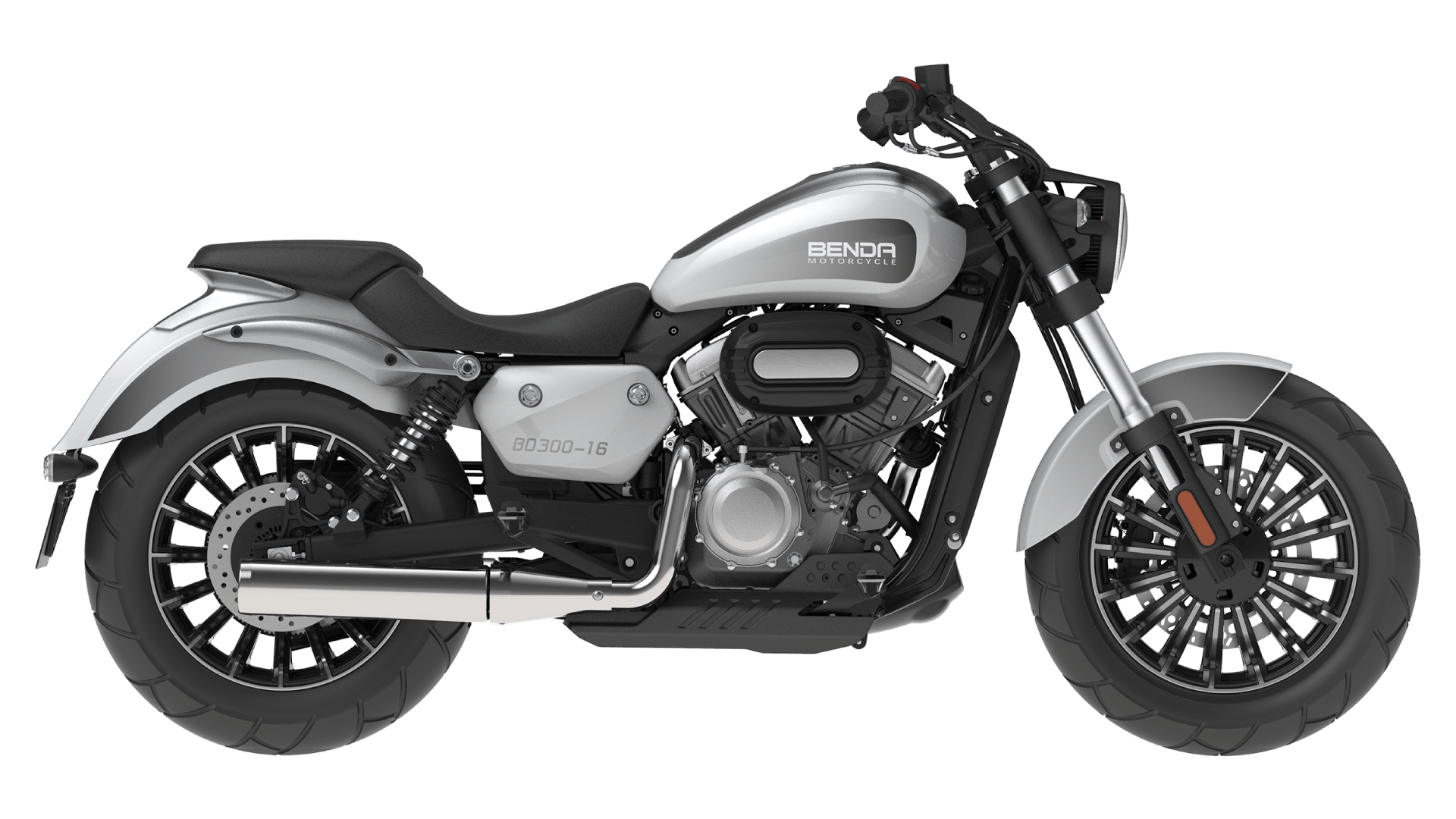
In my view, this is not a small matter. It is quite normal to blame posture or the road, but the roots go deeper. Geometry, heat, and control logic shape rider feel more than many think. The numbers tell a story; the body confirms it. We say frankly: comfort is a system, not a seat. Let us step from symptoms to structure, and then to solutions. Now, we move to the next part.
Hidden Pain Points Behind the Shine
Where does the fatigue come from?
The sport cruiser bike sells a crisp dream: low seat, long wheelbase, easy torque. Look, it’s simpler than you think—yet the quiet traps live in the setup. A long rake angle stabilizes straight roads but slows turn-in, so the rider works the bars more in city bends. A flat torque curve feels friendly at 3,000 rpm, but poor ECU mapping can make throttle tip-in lurchy at parking speeds. That micro-jerk keeps your core tense. Add a heavy final drive ratio and you slip the clutch more at low speed, which builds heat near the knees. — funny how that works, right?
Heat and vibration stack up. A conservative counterbalancer softens the buzz, but not under load spikes. Mid controls sound “neutral,” yet the bar-to-peg triangle can force a slight pelvic tilt that compresses the lower back over time. Even braking balance matters: a strong rear bias is comforting on paper, but can lengthen stops and load your wrists when traffic surprises you. Many riders try classic fixes—gel seat, thicker grips, louder pipes. These are patches, not principles. A slipper clutch helps on downshifts, but without refined ride-by-wire and updated ABS module logic, stress moves rather than disappears. In plain words: the old playbook treats the symptom line by line; the body feels the whole page.
Looking Ahead: How New Principles Change the Ride
What’s Next
The next leap is not more chrome; it is smarter control and lighter strain. New platforms pair ride-by-wire with a six-axis IMU to smooth throttle and stabilize lean on rough pavement. When ECU mapping blends low-speed fueling with traction control, the bike stops “nodding” at walking pace. That protects focus and core muscles. Materials matter too: a stiffer swingarm and tuned monoshock cut mid-corner squat, so you steer with less bar input. Even CAN bus updates help, because modules talk faster and smarter. Shortlist the best sport cruiser motorcycle options that align these systems, not just list them. (A spec sheet can be long, but harmony is short.)
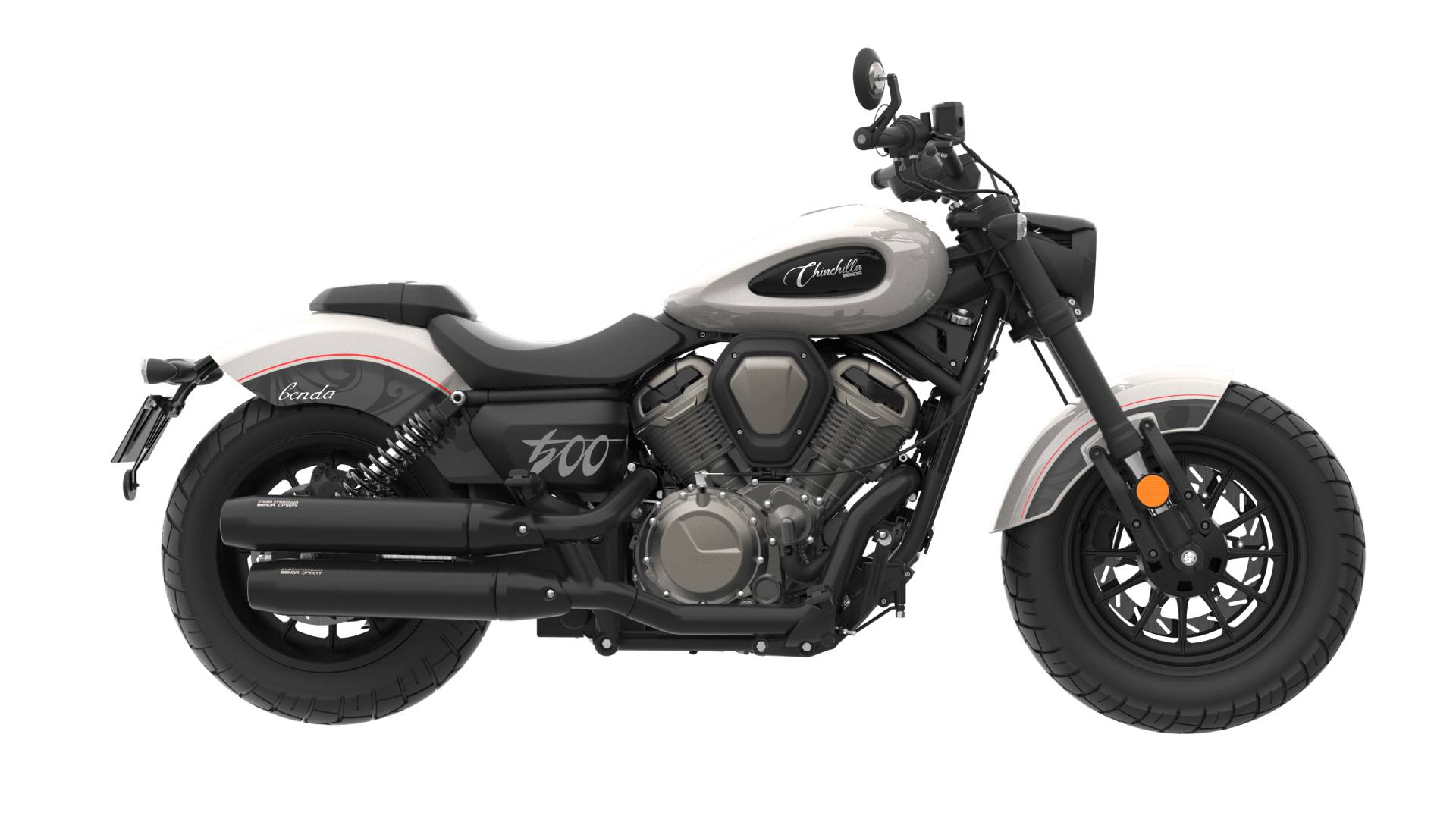
We compare old versus new on effect, not hype. Traditional fixes fought symptoms one by one; modern design changes load paths. A revised rake angle with wide bars can keep stability and reduce steering effort. An optimized power-to-weight ratio lowers heat soak during slow rolls. A quickshifter reduces upper-body motion in traffic. And yes, smarter ABS thresholds mean fewer panic squeezes on the lever. The result is not just “softer.” It is cleaner energy use by the rider. You end the ride with spare focus and steady hands—funny how comfort feels like control. For selection, stay semi-formal and practical: judge the whole system, not a single shiny part.
To close with advice, consider three simple checks before you call any machine the best sport cruiser motorcycle. First, posture fit: confirm the bar-to-peg-to-seat triangle keeps your pelvis neutral over an hour, not just five minutes. Second, control stack: look for ride-by-wire tuned with IMU-assisted traction control and an ABS module you can adjust for rain and sport. Third, thermal and vibe budget: test heat near knees and calves, and note vibration at 3–4k rpm where you cruise most. If these three align, your next ride will feel light, consistent, and calm. Makers keep learning, and so do we—step by step, with brands like BENDA.
