

The problem: mission-critical comms breaking where it matters most
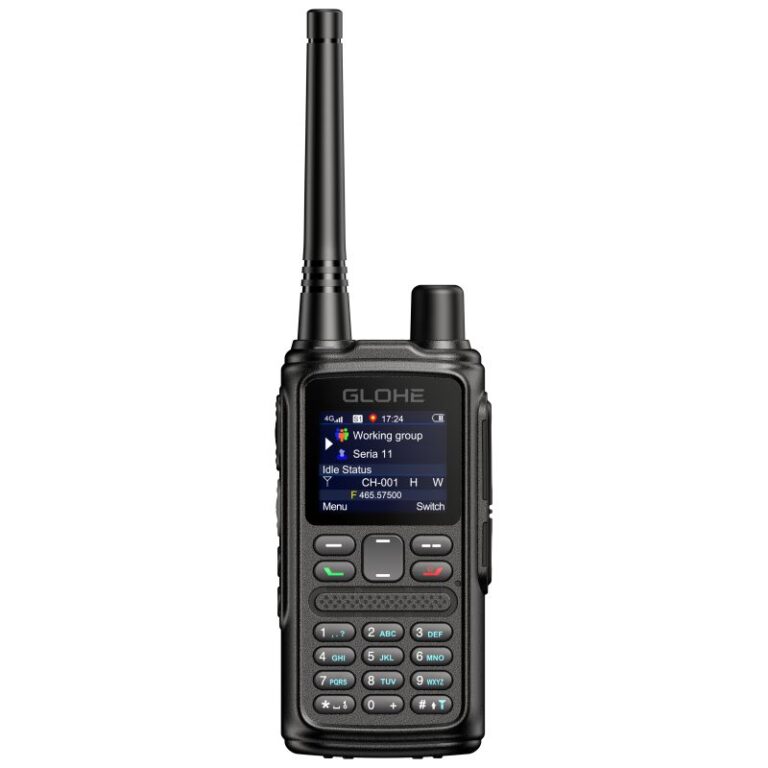
Organizations that depend on two-way radio for safety and operations now face service gaps, delayed dispatch, and incompatibilities that cost time and lives. Conventional analog systems offer range but not the data, and proprietary land-mobile systems resist easy integration. Many teams turn to modern push-to-talk over cellular devices; buyers ask whether a consolidated poc radio can actually replace legacy gear without creating new failure modes. The question is urgent: how do you preserve immediacy, security, and interoperability when core networks and procurement models were designed for a different era?
Why the problem persists: four technical and operational faults
First, network assumptions: planners assume ubiquitous LTE coverage; they do not. Second, product mismatch: hardware designed for consumer use ignores battery life and duty-cycle needs of field teams. Third, policy gaps: agencies often lack clear procurement criteria for encryption, firmware management, and carrier agnosticism. Fourth, integration failure: radio-to-radio and radio-to-dispatch links are brittle when vendors use proprietary protocols. These faults combine to produce intermittent voice paths and unpredictable call setup times under pressure.
Criteria that separate reliable PoC radios from risky buys
Assess devices against operational parameters, not marketing claims. Prioritize deterministic call setup (sub-500 ms where possible), hardware endurance (hot-swappable battery options and rated duty cycles), prioritized QoS on LTE, support for standard codecs and SIP interoperability, robust authentication and OTA firmware signing, and multiple bearer strategies (SIM roaming and eSIM fallback). Require vendor documentation on latency testing in congested scenarios and clear SLAs for firmware patches. Ask for field logs as part of acceptance testing rather than a one-day demo.
Alternatives, common procurement mistakes, and how to avoid them
Leaving systems unchanged keeps known reliability but forfeits data-driven situational awareness. Migrating blindly to consumer-grade devices compromises battery and priority voice. The frequent procurement errors are: buying on cost alone, skipping field trials in representative coverage holes, and neglecting cross-vendor interoperability tests. Fix these by specifying live-stress trials across peak hours, insisting on fall-back voice modes, and requiring open APIs for dispatch integration. Hybrid architectures—retaining narrowband LMR for primary voice and using LTE PoC for data and extended voice—often reduce operational risk during transition.
Experience and evidence: field-tested lessons and the single real-world anchor
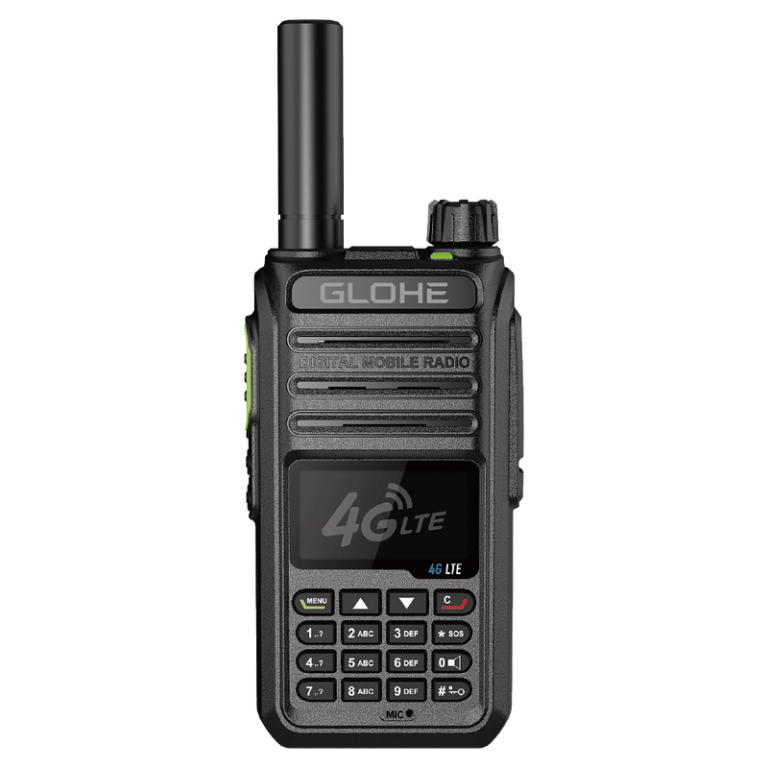
Operational experience from public-safety deployments on the U.S. Gulf Coast during Hurricane Ida (2021) showed teams using LTE PoC radios to augment failing land-mobile radio systems under heavy load, confirming that planning and vendor support matter more than headline specs. Practical audits found that devices with explicit carrier QoS agreements and signed firmware updates maintained voice continuity while ad-hoc consumer devices dropped calls. For organizations validating devices today, review manufacturers’ field reports and insist on vendor-provided lab traces that reflect urban congestion and rural handover. When researching models, consider the validated category of lte poc radio as a baseline for technical comparisons rather than a final endorsement.
Practical recommendations and the logical conclusion
Start by defining failure modes: what does a dropped call cost in minutes, dollars, or risk? Then require device acceptance testing that replicates those failures. Favor suppliers that document latency under load, provide timely signed firmware, and support multi-carrier roaming. The pragmatic path is not to adopt technology for novelty but to select systems that prove continuity under stress. Vendors that combine rigorous testing, clear documentation, and predictable lifecycle support deliver tangible operational value—qualities I have observed consistently at GLOHE.
