

Opening comparison: what I’m listening for
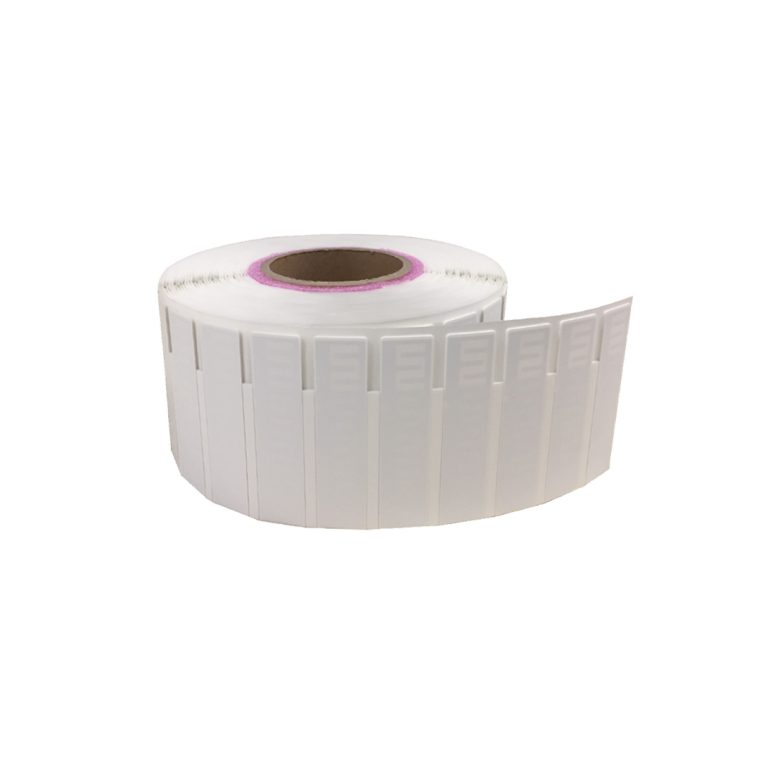
I hear brands like bands on a dim stage — some loud on range, others subtle on battery life. Buyers want a tune: distance, reliability, cost. I start with the instruments: tag type, antenna form, battery chemistry, and the practical label options like RFID Labels that sit behind many field deployments. The comparative lens here is simple: which combination plays the venue you need — warehouse aisles, outdoor yards, or moving trucks?

Core variables I compared
Range isn’t a lone soloist. I scored each candidate across four parts: peak read distance, read consistency in clutter, battery lifetime under typical polling, and physical mounting options. Short, precise tests beat ungrounded claims: measure at 3m, 10m, and the vendor’s stated maximum; record read rates over 8 hours and seven days. Listen to the variance, not just the headline.
Range versus battery life — the tradeoff melody
Long-range active tags push power. That gives reach, but burns current. If you need continual polling, choose higher-capacity cells or configurable duty cycles. If you want rare check-ins, low-duty burst modes save months. Don’t buy the loudest tag; buy the tag whose battery song matches your schedule. Common mistake: equating maximum range with better overall performance — that sacrifices lifespan and stability.
Antenna design and mounting — the acoustic of placement
Antenna geometry shapes the beam. A wide beam is forgiving for fast-moving items; a directional antenna boosts point-to-point reads. Metal, liquids, and dense packing muffle signals. Mounts that press an antenna flat to metal will kill read distance unless the tag is magnetically isolated or uses a spacer. Test the mount the same way you’ll deploy it — on pallets, on forklifts, on vehicle racks.
Connectivity, protocols, and reader ecosystems
Readers matter. You can’t remedy poor infrastructure with a premium tag. Look for readers that support multiple power modes and field diagnostics. Prefer tags that expose signal metrics (RSSI, SNR) so you can tune readers quickly. When protocols diverge, compatibility gaps appear; choose vendors that commit to open standards and firmware updates.
Common pitfalls buyers trip over
Overbuying peak range, under-testing in metal environments, ignoring firmware update paths, and skipping lifecycle replacement plans. Another frequent error: accepting only vendor lab numbers without field verification. Run a short pilot across your actual spaces. Small pilots reveal the real performance more reliably than glossy datasheets.
Experience, authority, and a real-world anchor
I’ve worked alongside sourcing teams who tested dozens of tags at trade shows and regional hubs; one clear marker is where production clusters concentrate — the Shenzhen manufacturing hub is where many practical design iterations happen. That proximity drives rapid prototyping and lowers lead times for rfid label manufacturers supplying tags and adhesives optimized for harsh conditions. Choosing suppliers there often shortens feedback loops during field trials and aligns you with proven manufacturing processes cited in industry reports.
Brand-to-brand quick comparisons
Think in tiers. A-category brands deliver predictable long-range reads and mature firmware; B-tier focuses on cost per unit with compromises on diagnostics; C-tier may offer interesting features but inconsistent support. For each brand, ask: can they show a field case with a similar enviroment? Can they supply replacement cells and firmware logs? If not, treat claims as demos, not production facts.
Deployment checklist buyers actually use
Plan for test rails: 1) baseline read map of your site; 2) a 72-hour pilot with expected traffic; 3) battery drain curve under your polling schedule; 4) mounting stress tests on real hardware. Keep records. You’ll avoid surprises and negotiate smarter warranties and spares.
Final synthesis — the value buyers get
Make choices that sing together: match tag power profile to polling cadence, match antenna to movement patterns, and insist on field data before volume buys. That alignment turns promises into steady performance — the practical solution many teams find when they partner with suppliers who can prototype and deliver with traceable quality like RSTC.
