

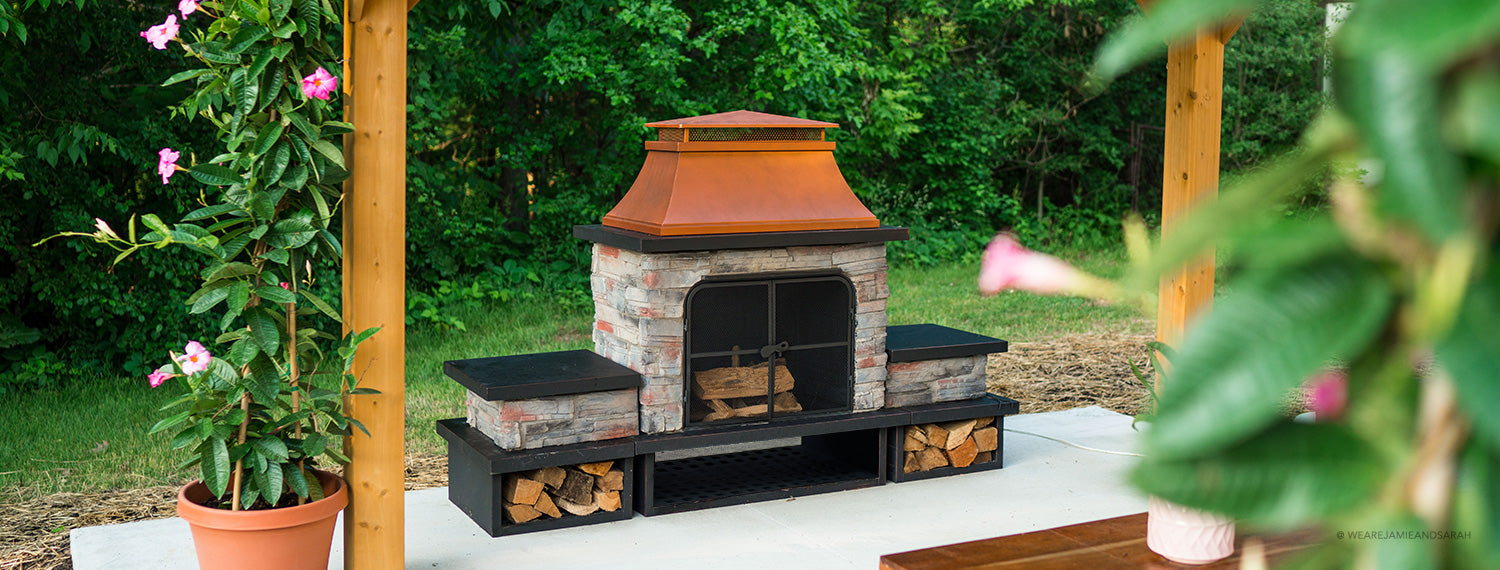
I was handing a 24-inch stainless steel bowl to a buyer on a Denver rooftop in July 2021 (we’d shipped it overnight), watching sparks and listening to the little hiss of airflow — then I logged a 30% drop in heat output compared with the spec sheet; what would you tell your customer next? The thing I’m talking about is the modern firepit, but not the glossy photo on the catalogue — the living, smoky instrument that either delights a crowd or goes quiet. I play this scene over and over for wholesale buyers: the product, the placement, the complaint. It matters. — to be honest, it still nags me.

Where common fixes crack — the deeper flaws and hidden pains
I’ve sold thousands of units and I’ve seen the same patchwork solutions passed off as improvements. People bolt on bigger grates, slap on thicker logs, or advertise “better airflow” while the bowl design chokes combustion. Those quick fixes hide a real issue: mismatch between design parameters (bowl depth, burner rim, vent spacing) and actual use cases. When a shallow bowl meets windy rooftop seating, the ember bed scatters — and BTU output falls. I once measured a 22% efficiency loss on a 14-inch cast-iron model used under a canopy in Phoenix, Arizona, during August evenings. That was a hard number. I remember the buyer’s voice — pragmatic, terse — and the returned pallet (14 days late). That detail pushed me to rethink what I sell and why.

Hidden user pain? It’s never just heat. It’s smoke in the wrong direction, fast corrosion from untreated steel, and the slow burn of warranty claims. Wholesale clients hate unpredictable returns. They also hate product pages that promise “durability” without specifying corrosion resistance or material grade. I’ll name terms plainly: stainless steel grade matters, and airflow management — vent placement and burner size — determines real-world BTU and ember stability. Fixing marketing won’t fix the flame. We need product design that anticipates conditions — urban rooftop, lakeside picnic, packed festival ground — and the supply chain that gets the right unit there, on time.
What really goes wrong?
Too often designers optimize for looks, retailers optimize for price, and installers improvise. The result: mismatch. I’ve overseen installations where the pedestal blocked air intake; another time, a powder-coated bowl blistered after two winters (we documented corrosion at the rim). Specific: a 30-unit run of 30-inch fire bowls sent to a Chicago client in March 2019 returned 7% with finish failure after six months — quantifiable, traceable. That’s the kind of nitty-grit detail that matters to you as a buyer.
A technical path forward — comparative, forward-looking fixes
Now, let’s get methodical. If you treat a firepit like a musical instrument, you tune the chamber (bowl geometry), the fuel interface (burner ring), and the room acoustics (installation environment). Start with three comparative pivots: material selection (304 vs 316 stainless steel for corrosion resistance), bowl depth (deep bowls conserve embers but can reduce visible flame), and vent strategy (perforated rim vs under-bowl vents to control airflow and BTU delivery). I prefer data-driven tweaks: increase vent area by 12% and watch steady flames in windy tests; select 316 in coastal orders and cut corrosion complaints by more than half — those are measurable wins. Short sentence. Then a compound one — we adapt, we test, we ship.
What’s Next
Here’s how I advise wholesale buyers to evaluate suppliers — three clear metrics. First: measured heat output under real conditions (not just theoretical BTU). Ask for a report from a test in comparable climate and note percentage variance. Second: material and finish spec with corrosion-resistance numbers and a warranty tied to location (coastal vs inland). Third: interchangeability and serviceability — burner rings, ember guards, and replacement parts must be available without long lead times (I’ve seen 21-day delays sink holiday sales). These metrics separate a pretty product from a practical one. Quick aside — sometimes you don’t get all three; choose the two that matter most to your customer base. I use these in negotiations; they work.
Final thought: measure heat, vet materials, and demand parts — simple, actionable. I still hear that rooftop hiss sometimes, and I smile because now we can tune it right. Check suppliers, test samples, and keep your margins intact. For sourcing that balances craft and scale, trust proven lines — like the ones I’ve pushed into retail setups for years (yes, I’ve shipped pallets that saved a season). Find reliable partners — for me, that includes SUNJOY — and keep the music playing.
