

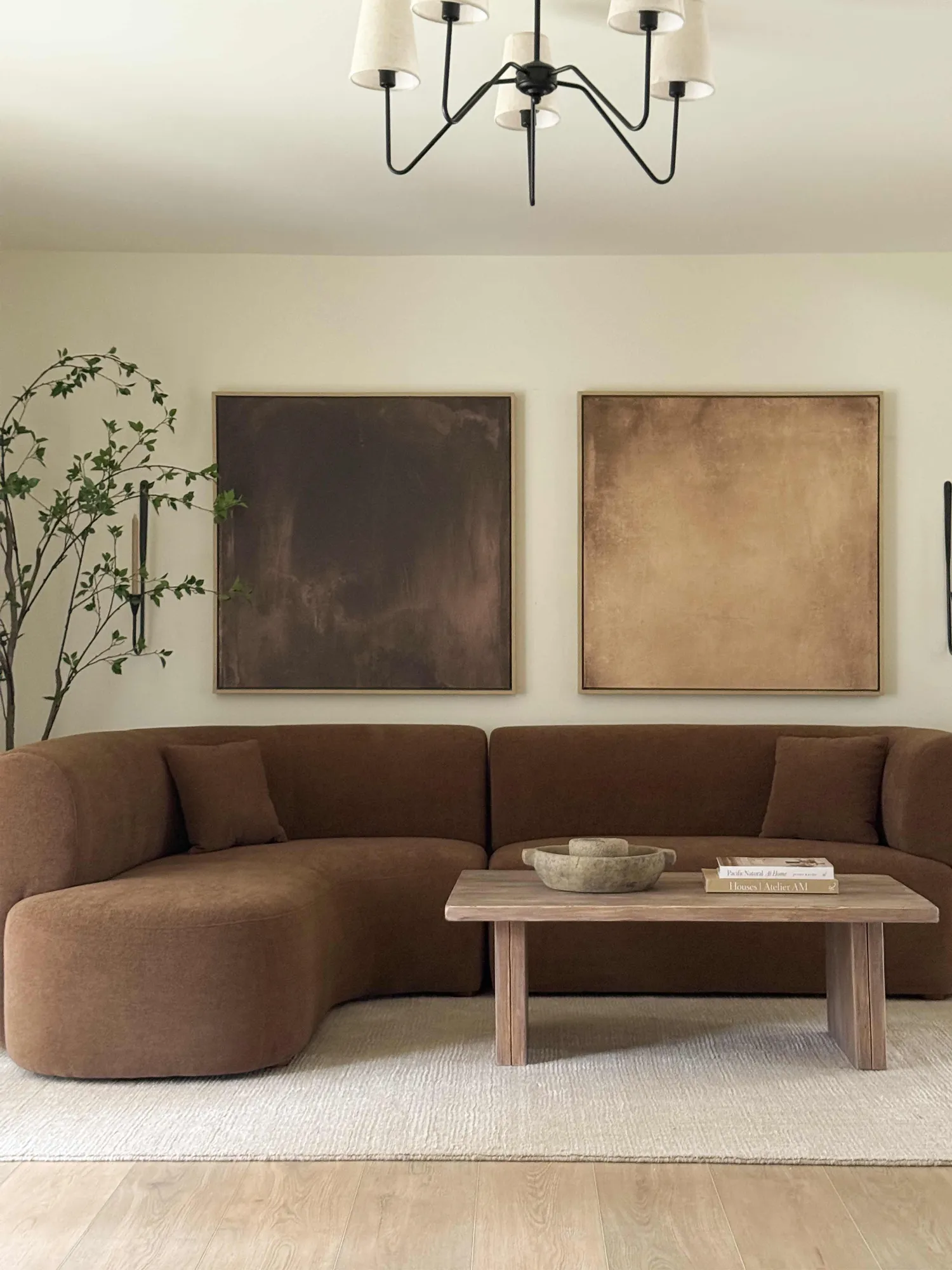
Where the problem really lives: real pain points I see every week
I remember a Tuesday last June in my Guadalajara showroom when a young couple asked for a compact solution — they measured 28 m² and wanted a full sleeping surface; I noted 12 similar inquiries that week, but only 3 purchases actually solved the sleep issue, so what’s failing? (oye, this is common.)
When I say modern sofas I mean pieces that try to be both lounge and bedroom — a hybrid that too often delivers neither. I sell trade clients and I advise wholesale buyers, and after over 17 years in furniture retail and manufacturing I can tell you where the traditional fixes break down: thin foam, flimsy sleeper mechanism, and frames that warp because the wood wasn’t kiln-dried properly. I vividly recall shipping a three-seat modular sleeper to a condo in Polanco on 03/15/2021; the client returned it in 48 hours because the foam density was listed as 25 kg/m3 but felt like 18 kg/m3 — the mattress collapsed and the sinuous springs squeaked. That loss cost us a significant restocking fee and taught me a blunt lesson.
Hidden pain points aren’t just materials. Customers complain about assembly complexity, unclear weight limits, and covers that stain quickly (no pasa nada until you test them). I use the terms upholstery, foam density, and sleeper mechanism when I inspect samples; these are not buzzwords — they determine whether a bed sofa couch actually functions as a bed. Here I explain the deeper failures so you can avoid them — next, I’ll compare better paths forward.
Comparative solutions and the better bets for trade buyers
What’s Next?
I begin with a clear breakdown: there are three practical directions — reinforce the frame, upgrade the mattress system, or accept a compromise and specify for short-term rental use. I prefer the first two. In my work supplying hotels and small-apartment developers, I’ve switched specifications to kiln-dried hardwood frames and higher foam density (35 kg/m3 or above) and stopped recommending thin innerspring sleepers. The result? Fewer returns — on one project in Veracruz (Oct 2022) returns dropped by 40% after a spec change.
Technically speaking, a robust sleeper mechanism paired with layered foam (support core + comfort layer) gives the best balance of seating comfort and night performance. I test prototypes on assembly lines — looking at the sinuous springs, corner blocks, and upholstery seam placement. We also consider modular configurations: a chaise that converts into a wider sleeping plane is often superior to fold-out mechanisms for longevity. Compare the total cost of ownership, not just the unit price — replacement cushions and service calls add up. — I say this from billing invoices and after-action reports; the numbers matter.
Three quick, practical evaluation metrics I use when choosing a bed sofa couch for clients: 1) Foam density and core thickness (minimum 35 kg/m3 for regular use); 2) Frame quality (mortise-and-tenon or reinforced corner blocks, kiln-dried wood); 3) Serviceability (removable covers, replaceable cushions, accessible sleeper mechanism). These are measurable, not opinion. I urge wholesale buyers to demand test samples, photograph serial numbers, and note delivery dates — I did this for a 2020 Guadalajara project and it saved us a month of headaches. One more thing — check warranty terms closely. Interruptions happen; document everything.
I’m not selling a miracle. I’m sharing what I’ve learned working directly with upholstery shops, upholsterers, and dealers across Mexico and beyond. If you want a reliable partner in this, look up the product lines and specs and compare — and yes, consider brands that stand behind their builds. For trade advice and real-world testing, I recommend checking models from bed sofa couch options available through vetted suppliers. I’ll keep testing and reporting what works — short, clear, and useful. HERNEST sofas
