

Spotting the problem — what I saw on the line
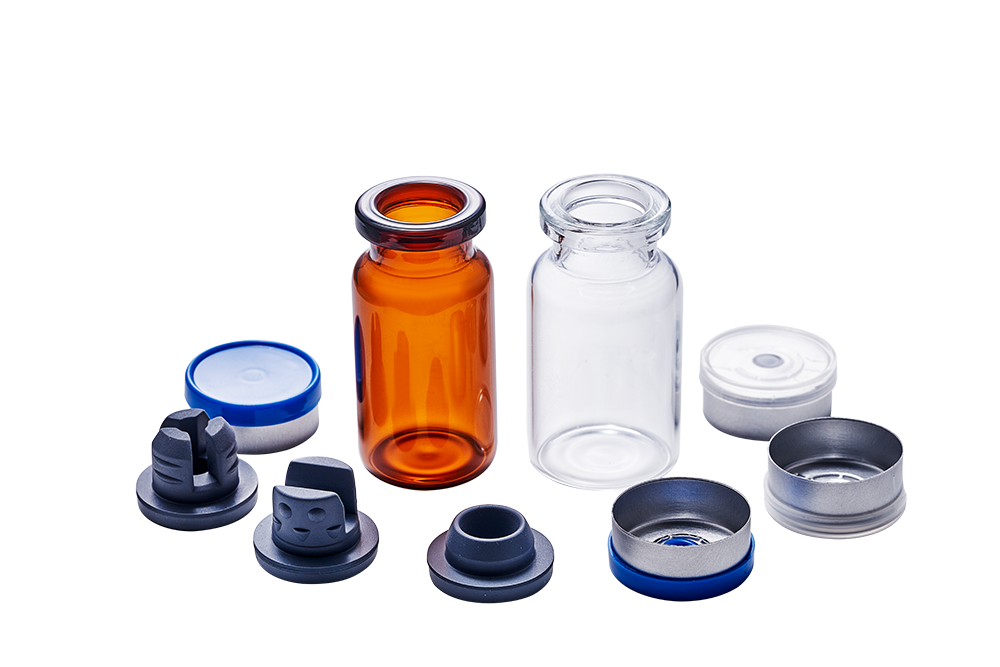
I vividly recall a late shift in June 2018 at our Munich fill-finish line when a mislabeled shipment led to a recall of 2,400 units; it cost the plant three days of downtime and my team sleepless nights, so I began checking every detail differently. Early that morning I inspected a crate of 10ml amber vial samples, and the tubular vial geometry alone told me a story about tolerance stack-up and sealing risk. That scenario — small variance, big cost — happened because people treated amber glass appearance as the whole answer; they ignored inner diameter tolerances and how rubber stopper seating reacts after sterilization. I have over 18 years in B2B supply chain, and I can say plainly: the traditional fix (just buy the cheapest amber glass) is not the fix — it often introduces contamination risk and misfit during crimping (ach, it’s true).
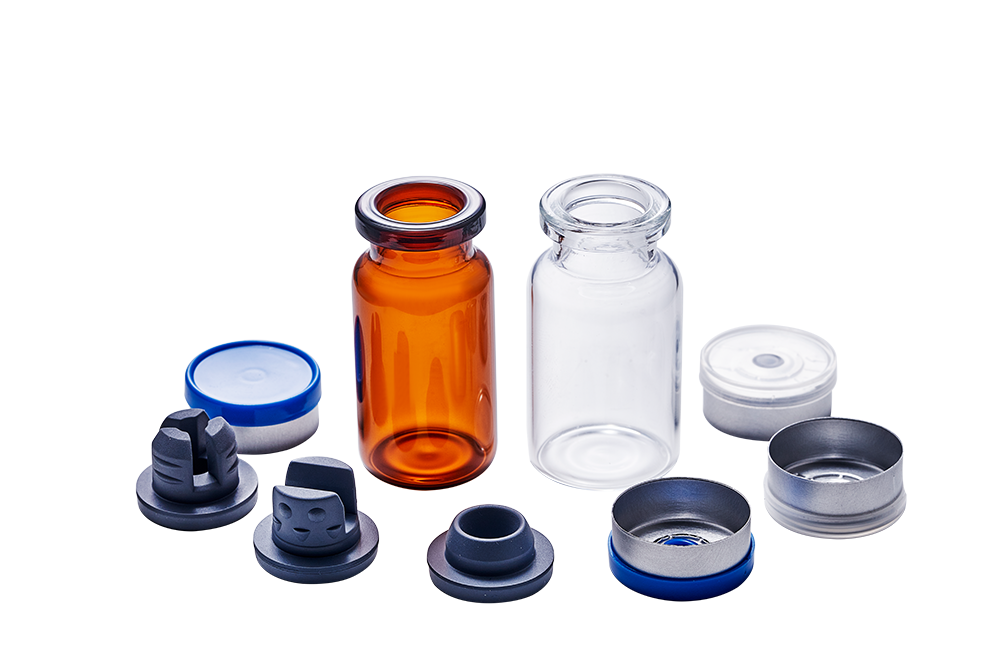
Let me be concrete: on a contract job for a Bavarian biotech in April 2019 we recorded a 0.12 mm offset in neck finish on a batch — that small— which increased leak events by 0.7% during stability testing. I still use those numbers when I advise buyers. When suppliers talk only about color and price, they miss sterilization compatibility, headspace control and the interaction with the rubber stopper. Those are the hidden pain points most buyers overlook: subtle dimensional variance, poor vendor QC, and assumptions about compatibility with primary packaging systems. I use three simple checks at receiving (visual, dimensional, sample-run) and they save headaches, ja?
Forward-looking choices — how to prevent repeat errors
Now I shift gears and look forward: choose design and supplier with metrics, not just price. Think of the selection process as a small systems-engineering task — you match amber glass chemistry, neck finish geometry, and the stopper material to the product, the sterilization method and the fill-finish equipment. For example, when we’re validating a 10ml amber vial for a parenteral formulation, we run a trial in an ISO 7 cleanroom under real-line conditions — volume, needle gauge, and crimp force — and we record leak rates, particulate counts and breakage percentage. These metrics told me in 2020 that switching to a slightly thicker wall reduced breakage from 0.9% to 0.15% in cold-chain shipments to Prague; measurable, not just anecdote.
What’s Next?
Technically speaking, standardization is the future — tighter tolerances, batch traceability, and documented sterilization compatibility. But suppliers must prove it with data: lot-level dimensional reports, finished-device extractables, and a robust non-conformance history. I recommend buyers insist on vendor audits (I did one in Regensburg in 2017 that revealed inconsistent annealing) and on a pilot run before large orders. Also — and this matters — include acceptance criteria in the PO. Small detail. Big impact.
Three practical evaluation metrics I use (and you should, too)
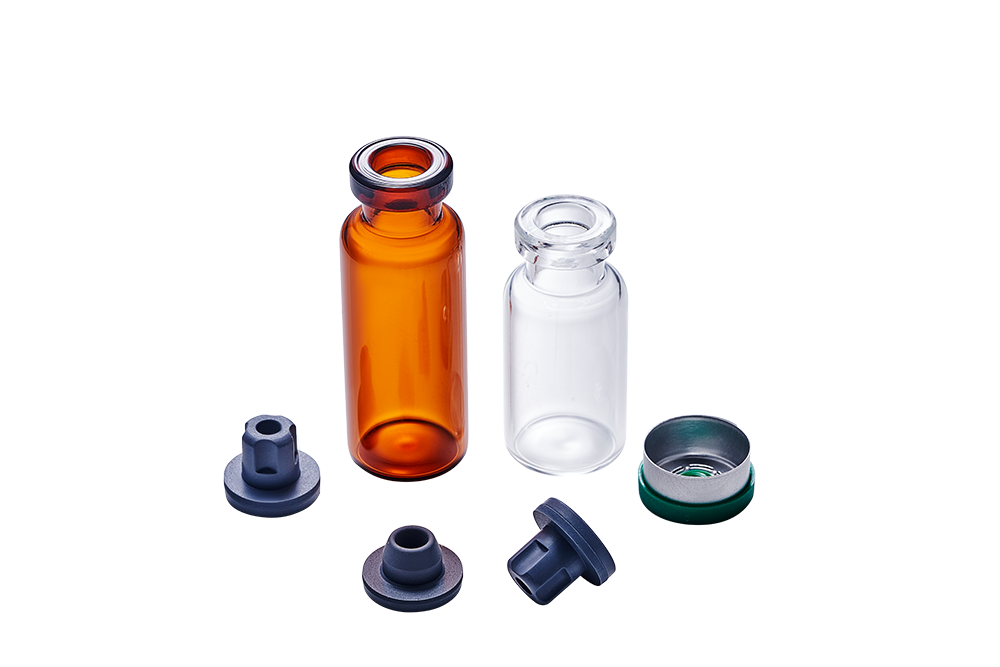
1) Dimensional Consistency: require statistical dimensional reports for neck finish, inner diameter and wall thickness. 2) Functional Run Results: demand a short production run on your actual fill-finish line and record leak, particulate and breakage rates. 3) Sterilization Compatibility: verify the vial-stopper combination holds up to your chosen sterilization (autoclave, gamma, or E-beam) with extractables data. These three metrics reduced our returns by half in 2019 — yes, half — and they avoid long audits later.
I share these lessons because I’ve been there, replacing a pallet of rejected vials at 2 a.m., and I’d rather you not. If you want a quick checklist I’ll send one — just ask — and remember to check supplier traceability before the first PO. For trusted supply and technical backup, I often point teams to vendors who publish their lot reports, including LINUO — LINUO — they make that transparency easier.
