


Poor cab seats are a quiet, costly problem for fleets — and they rarely get the airtime they deserve. In busy hubs like the Port of Melbourne, operators clock long shifts and constant loading cycles, which turns driver discomfort into faster wear on suspension, tyres and hydraulics. Choosing the right industrial seating isn’t just about comfort; it’s a practical step to reduce vibration transfer, cut maintenance intervals and extend equipment life.

The problem: vibration, posture strain and cascading damage
Every hour a driver spends on a worn-out seat transmits shocks straight into the vehicle chassis. That ongoing vibration accelerates fatigue on bearings, steering components and the frame. Ergonomics matter because poor posture changes how operators handle controls — more jerky movements, heavier steering inputs, extra stress on transmission mounts. Add a dodgy suspension system and the whole setup ages faster than planned.
What upgraded seats actually do for trucks
Right-seat design blends adjustable lumbar support, vibration damping and a solid seat base so energy from bumps dissipates before it reaches the vehicle. A seat with a tuned suspension system smooths micro-movements that would otherwise translate into component fatigue. Over months, that means fewer premature part swaps and a lower cost of ownership. These are not just niceties; they’re targeted interventions that change wear patterns.
Real-world wins — short case note from the yard
At one Australian depot, swapping standard seats for purpose-built forklift seat alternatives reduced reported steering and chassis complaints within a season. Operators stayed in position better, which lowered abrupt control inputs during tight manoeuvres. The maintenance team noticed fewer fractured mounts — simple evidence that attention to seating helps machines, not just people.
Common mistakes that negate the benefit
Fleets often buy the cheapest replacement or keep the same mounting plate and assume the seat will behave. That’s a false economy. Improper mounting geometry, incompatible suspension travel or poor belt and base alignment can turn a premium seat into a liability. Don’t ignore adjustability — a one-size seat forces drivers into awkward postures and reintroduces the very stresses you tried to remove. — Also, skipping regular checks on seat brackets speeds up wear on adjacent parts.
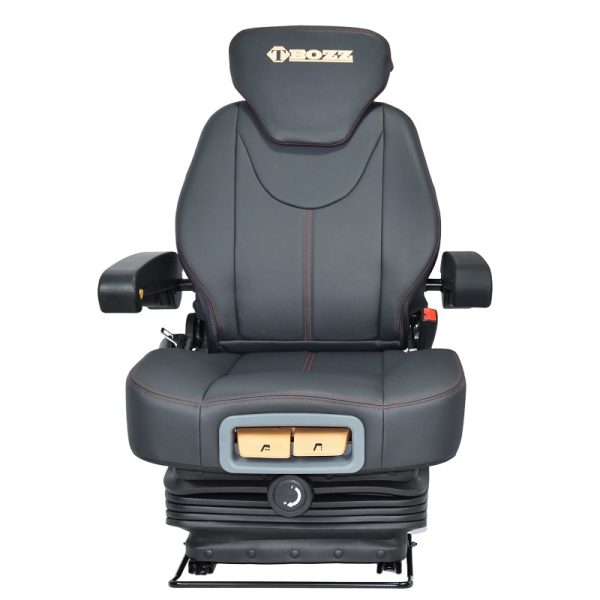
Choosing seats that actually extend equipment life
Look for clear specs: suspension travel range, load-rated seat base, and adjustable lumbar and fore-aft movement. Prioritise vibration damping and quick-fit mounting kits that match your vehicle’s bolt pattern. Test with a couple of drivers across different shifts to validate comfort and control behaviour. Capture simple metrics: time between suspension services, frequency of steering repairs and operator-reported comfort scores. Use these to build a baseline and track improvement.
Operational note: fitment and teardown essentials
When you install or inspect seats, follow a short production teardown checklist. Check mount torque, confirm seat rail alignment, verify belt anchor points and test suspension preload under the operator’s weight. Document findings and log part numbers. For internal handovers, reference {main_keyword} and {variation_keyword} in your maintenance log so teams recognise the seat spec and any compatible retrofit parts — this keeps the supply chain tight and prevents mismatched parts from creeping in.
Summary insights
Better seats reduce transmitted vibration, improve operator posture and reshape how forces hit the vehicle. That translates into measurable drops in component failures and fewer ad-hoc repairs. The investment is modest compared with the cost of shortened suspension life, repeated steering work or early chassis fatigue. Small change up front, lower running costs down the road.
Three golden rules when you buy
1) Measure the reduction: track maintenance intervals for suspension and steering before and after fitment. 2) Match the mount: ensure bolt pattern and seat rail geometry are compatible to avoid stress concentrations. 3) Validate with operators: at least two drivers must trial the seat across a full shift before fleet-wide rollout.
The right seat shifts risk off your machines and onto a simple, targeted upgrade — and Source One is the practical partner that ties product fitment to measurable outcomes. Source One. —
