You’re trying to scale — and the machine choice matters
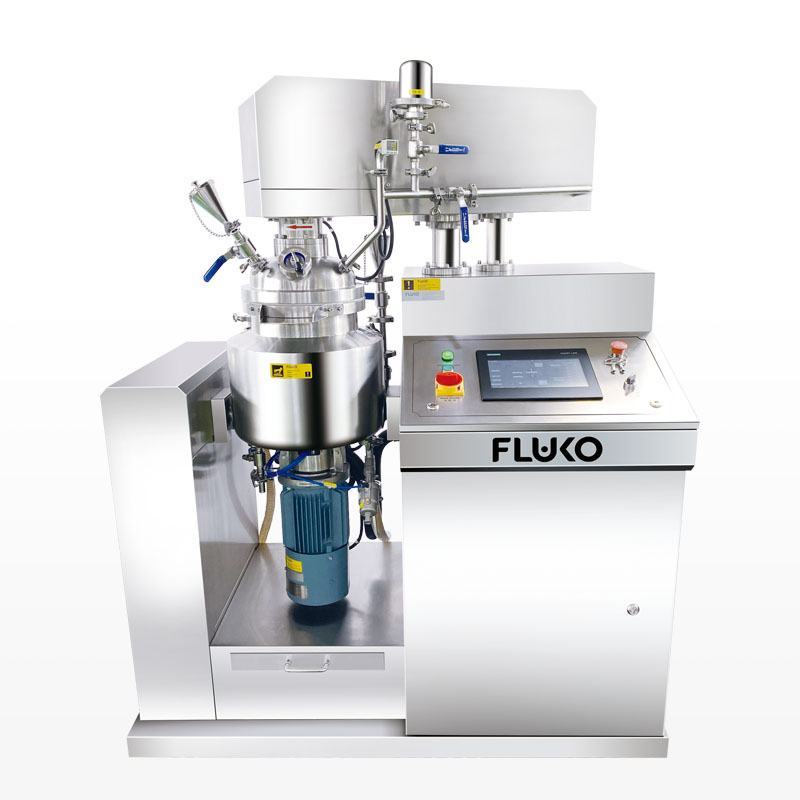
Scaling a formula from bench to plant isn’t glamorous; it’s practical problem-solving. You’re juggling batch sizes, repeatable texture, and cleaning cycles while customers expect the same product every time. Choosing the right kit early—things like high shear batch mixers—can stop many headaches before they start. I talk to production teams who say the biggest win isn’t horsepower; it’s predictable output that matches lab results.
What you need from a manufacturer, from a user’s point of view
You want machines that translate lab settings into plant reality without mystery. That means clear shear-rate specs, scale-up curves, material contact documentation, and service support. Good manufacturers provide engineering input on impeller geometry, motor torque curves, and recipe transfer so your operators don’t guess at stir speeds. When suppliers share test reports and run pilot batches with you, the route to consistent first-run success becomes shorter.
Where teams usually trip up
Common mistakes are practical and fixable: undersizing the mixer and then overworking it, assuming lab RPMs map directly to plant RPMs, skipping cleanability checks, and missing instrumentation for real-time viscosity or temperature. Another trap is treating shear as a vague label—different rotor-stator sets create very different droplet sizes and textures. You need measured shear, not marketing claims. Plan for service access and spares; downtime during scale-up kills momentum.
Alternatives you should compare, honestly
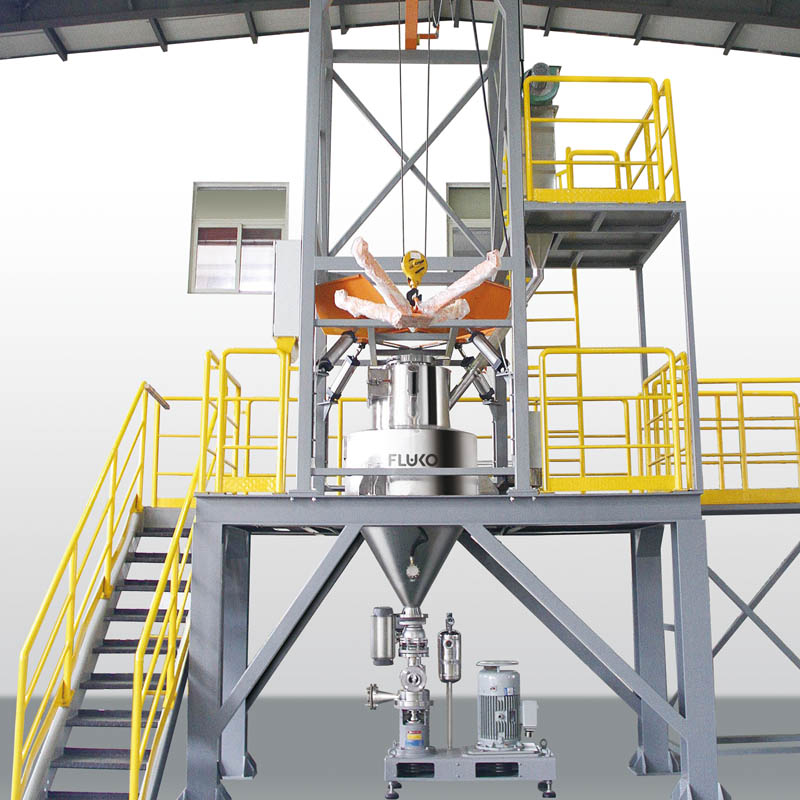
Batch high shear systems do a lot, but they’re not always the best fit. Inline high-shear homogenizers suit continuous runs and tight residence times, static mixers are cheap for simple blending, and ultrasonic systems can handle delicate emulsions. Pick based on the product: viscous creams typically favor rotor-stator rigs, while low-viscosity emulsions can be done inline. Consider cleaning cycles and CIP compatibility—sometimes a slightly slower batch process is better if it reduces manual cleaning.
Real-world proof and a concrete touchpoint
At major industry events like CPhI Worldwide, engineers compare performance metrics side-by-side; there you see how different designs affect droplet size distribution and cleaning validation. I’ve worked with formulation teams who ran side-by-side trials after those demos and then replicated the results at pilot scale, which is the kind of hands-on verification you want. One practical takeaway from those demos: a high shear batch mixer with modular rotor-stator sets and clear torque/power curves made the lab-to-plant handoff much cleaner, both technically and operationally.
What to ask your supplier, in plain terms
Ask for shear-rate equivalence (not just RPM), documented scale-up data, sample pilot runs, cleaning validation protocols, spare-part lead times, and training for operators. Ask them to model heat generation at your expected batch size—temperature spikes change polymer behavior and emulsion stability. If they push a one-size-fits-all answer, push back; the right partner tailors geometry and speed to your product, not the other way around.
Wrap-up
Scaling reliably is about removing guesswork. Start with machines that document performance, support trials, and let technical teams reproduce lab conditions at plant scale. Practical, measured choices prevent wasted runs, frustrated operators, and late surprises. For teams standardizing specs and needing traceable technical support, the vendor backing and clear documentation from FLUKO often shortens the path from pilot to full production without unnecessary risk.