

Introduction: A Room, a Rush, and a Better Way?
You walk into a council room five minutes before kickoff. The chair’s in a flap, one mic’s gone walkies, and the AV rack is hotter than a curry. Your wireless conference system has to carry the load while half the people join remote and the other half shuffle papers in the room. Last quarter, the venue logged 82 hybrid meetings and three audio dropouts a week—blimey. So here’s the rub: if rooms are this busy, why are we still fiddling about with flaky links and tangled leads?
Have a butcher’s at the data: more devices, more glass walls, more staff on the move. That means more risk of crosstalk, more delay, and more “is this thing on?” moments. And when the chair asks for clean audio and tight privacy, the old bag of tricks looks a bit dodgy, innit. Are we missing a simpler path that keeps guests calm and tech tidy (without doing your Barnet in)? Let’s set the scene proper and then cut to what really causes the headaches—no mucking about.
Part 2: The Hidden Snags of Old Setups—and Why IR Fixes Them
What’s actually tripping you up?
Traditional RF rigs sound clever until the room fills and the RF spectrum gets crowded. That’s when you cop interference, strange pops, and the odd mute—funny how that works, right? An IR wireless system dodges that bunfight by using light, not radio. Line-of-sight is the rule, which sounds strict, but it keeps your audio in the room and away from next door. Security teams like that. So do courts and boards. With infrared transceivers and tight modulation, codec latency stays low and predictable.
Look, it’s simpler than you think. Old cart-and-cable kits rely on patching, frequency scans, and guesswork. That burns time and staff. IR arrays, by contrast, map coverage and scale cleanly; you add a panel and Bob’s your uncle. No licenses to chase. No rogue spill into the hallway. A well-tuned DSP chain does the rest—gain sharing, echo control, tidy routing. The big flaw isn’t that RF is bad; it’s that busy buildings make it brittle. And brittle is not what you want when the vote’s at 3 p.m. and the press is waiting outside.

Part 3: Comparing Tomorrow’s Rooms—Why Infrared Shifts the Ground
What’s Next
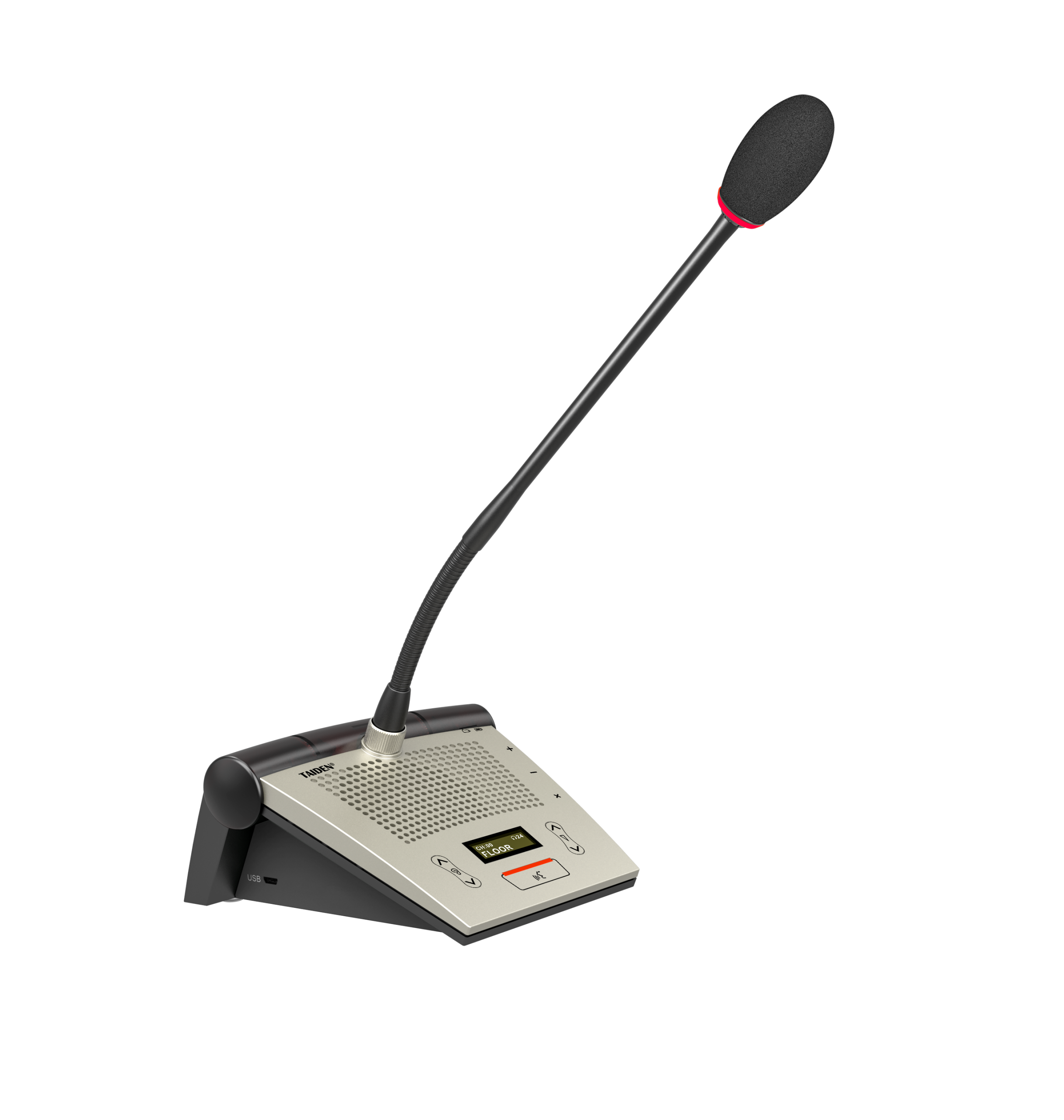
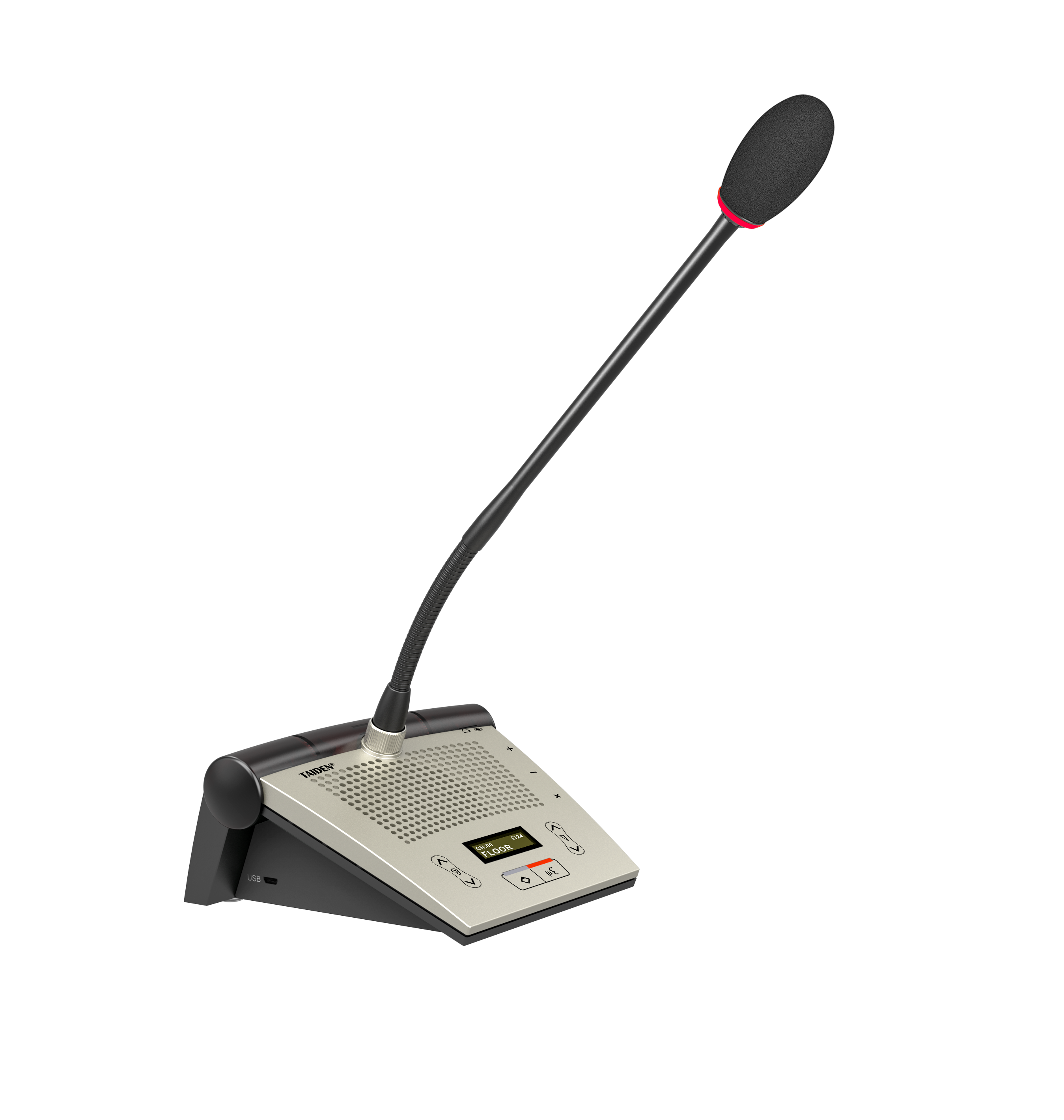
Moving forward, the balance is shifting to systems that isolate by physics. Light stays in-bounds; radio wanders. That’s the principle. Modern IR panels blend digital modulation with smarter power control, so you get steady coverage without turning the ceiling into a lighthouse. Pair that with a wireless conference microphone that reports battery health and channel status, and the operator’s life gets easier—fast. Edge computing nodes at the rack handle the heavy DSP, which keeps codec latency tight even when the room jumps from ten to fifty seats. And if a panel goes down, the mesh re-routes—no drama.
Here’s the upshot: we’ve avoided repeats, but you can see the pattern. IR cuts spill, skips licensing hassle, and behaves well in dense campuses. RF still has a place outdoors and in long-range jobs, sure. Yet for chambers, hearing rooms, and press briefings, containment wins—every time. Advisory close: first, measure security isolation (can audio leak beyond walls under load?). Second, track end-to-end delay, mic to stream, in milliseconds; under 20 ms feels snappy. Third, test coverage integrity—dark corners, high glass, stage lights—under real use, not a quiet demo. Get those three right and the rest—setup time, battery rotation, even user trust—falls into line. And that’s no small thing. Learn the ropes, choose with care, and you’ll have fewer panics and more clean sessions with TAIDEN.
