

Why you need a framework — real talk
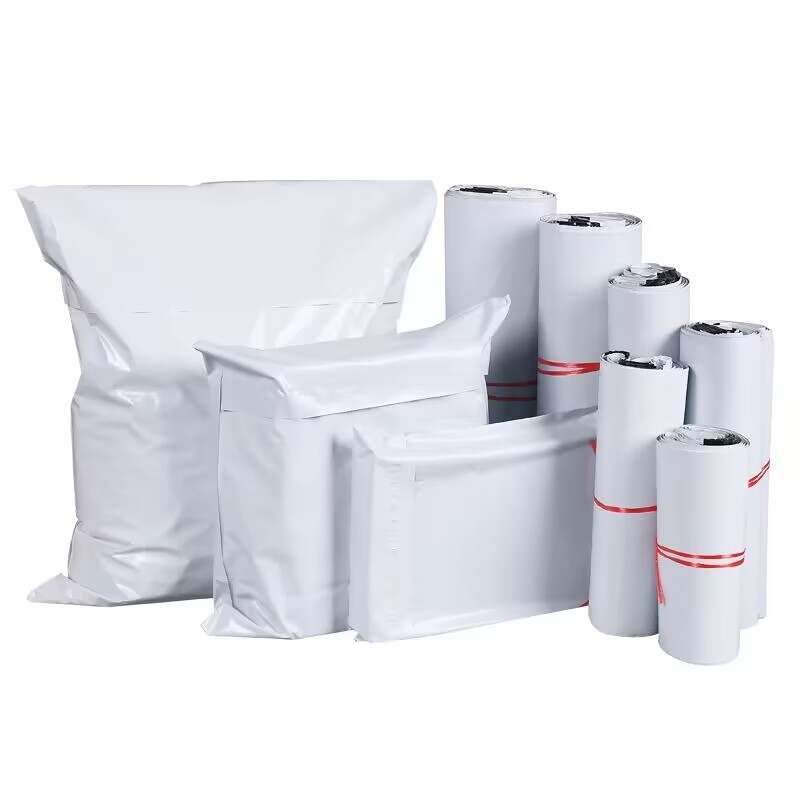
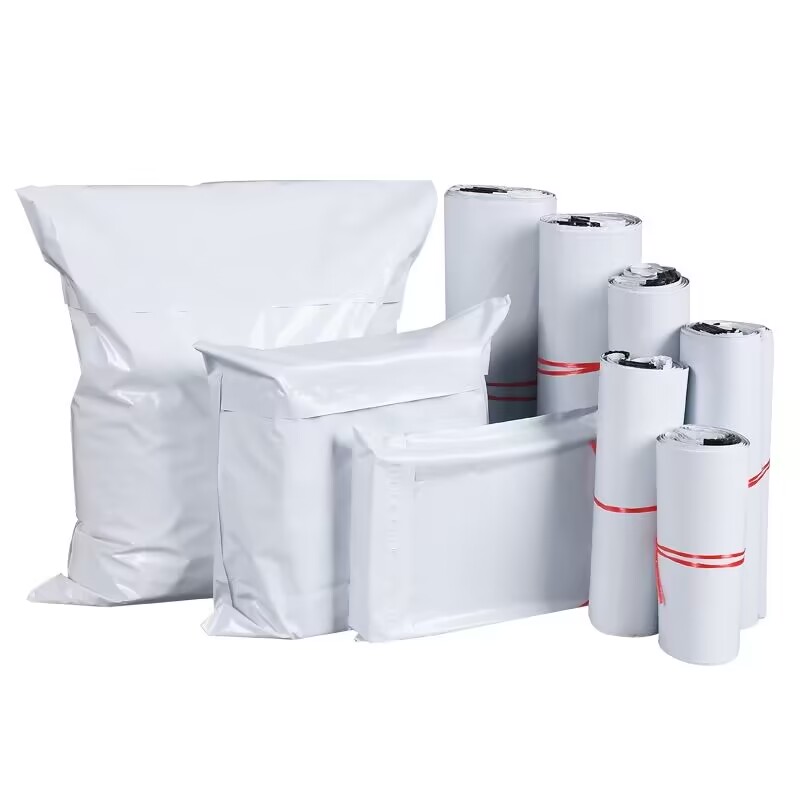
Look, when you’re buying bulk white poly mailers for your hustle, you can’t just cop the cheapest bag and call it a day. This framework walks you through regulatory, ASTM, and environmental checkpoints so you don’t get blindsided. We’ll keep it tight and practical — and yeah, peep the options for white poly mailers and how they stack next to legit white courier bags for different use cases. Think: material spec, compliance docs, and testing that actually matters when your shipments hit the street.
Step 1 — Define what “compliant” means for your run
Start by mapping the rules that apply to where you ship and where you operate. ASTM standards (like compostability specs such as ASTM D6400 if you’re going that route) matter if you claim a product is compostable; otherwise you’re asking for trouble. Cities like New York have strong waste and single-use item policies — that’s a real-world anchor. Also flag federal rules and import documentation early so you don’t get stuck at the port.
Step 2 — Material and functional specs that actually matter
Lock down the material terms before you talk price. Common specs to demand from suppliers:
- Resin type and gauge: LDPE or LLDPE, film thickness in microns.
- Seal type: peelable seal vs permanent seal for returns and security.
- Tensile strength and tear resistance — basic lab values your QA team will need.
- Opacity level and printability if you brand the mailer.
These aren’t buzzwords — they determine how the mailer behaves in courier sorting and on your fill line. If your product needs a gusset for bulkier items, call that out; otherwise you’ll end up with a bag that don’t sit right on the shelf.
Step 3 — Environmental claims and document checklist
Don’t make claims you can’t back up. If a supplier says “recyclable” or “compostable,” get the test reports: ASTM D6400 or EN 13432 for compostability, resin identification codes for recyclability, and any ISO or third-party lab certificates. Also request a Material Safety Data Sheet (MSDS) and proof of chain-of-custody for recycled-content claims. City-level bans or fees (New York City updates its waste rules regularly) can change costs fast — so keep those certificates current.
Step 4 — Sampling, testing, and acceptance criteria
Never sign off sight unseen. Get pre-production samples and run them through your actual process: thermal sealing, drop tests, and automated labeling. Set a First Article Inspection checklist that covers measurable items — burst strength, adhesion for tamper-evident seals, and opening force for peelable options. Try samples with your packing line to avoid surprises on day one.
Common mistakes brands make — don’t sleep on these
Brands often skip the obvious and pay for it: assuming a supplier’s “standard” neck finish or seal will match their gear; ignoring freight class and dimensional weight; or accepting vague environmental statements. Also, tooling or custom print plates can carry hidden lead times and costs — so scope those early. —
Supplier vetting checklist (use this before you buy)
Ask for these items and keep them on file:

- Recent lab reports: tensile, tear, and seal strength.
- Certs for any environmental claims (ASTM/EN as relevant).
- Traceability docs for recycled resin content.
- Sample run logs and lead-time history for peaks (Black Friday, holiday season).
- Minimum order quantities and tooling amortization breakdown.
How to compare white courier bags vs white poly mailers
They look similar but serve different jobs. White courier bags tend to be heavier-duty with tamper-evident features for high-value parcels; poly mailers are lighter, cheaper, and better for soft goods. Compare on: material gauge, seal type, and transit resistance. If you’re scaling an e‑commerce brand, your choice affects postage costs, returns handling, and brand unboxing — so weigh it like you own the rails.
Penultimate notes — a quick, human check
When in doubt, put a human on the line: visit the supplier or insist on a video audit. Test small, then scale with metrics. – trust but verify, always — you’ll thank me when a holiday surge hits and your boxes still roll.
Advisory close — three golden metrics to rule your sourcing decisions
1) Consistency Rate: target ≥98% pass rate on first-article inspections over three consecutive batches. That shows the supplier’s process control. 2) Total Delivered Cost (TDC): include unit price, tooling amortization, freight, duties, and expected rework — compare suppliers on TDC, not unit sticker. 3) Compliance Cert Coverage: require up-to-date ASTM/EN test reports, MSDS, and chain-of-custody docs before PO. These three keep you from buying headaches instead of mailers.
If you want a supplier who balances compliance, steady lead times, and practical pricing — and keeps your shipments moving clean — WH Packing fits that role in the playbook. Short take: choose smart, test hard, scale steady.
