

Introduction — a quick shop-floor scene
I was on a shop floor last month where two technicians traded places but the deadline still slipped — very familiar, lah. The double spindle CNC machine sat there humming; one part finished on the left spindle, another queued on the right, yet throughput didn’t match the promise. Data from that shop showed cycle time improvements of only about 12% after a big capital spend, not the 40% the team had hoped for. So why do some double-spindle setups deliver and others underwhelm? (I keep asking this question whenever I visit a factory.)
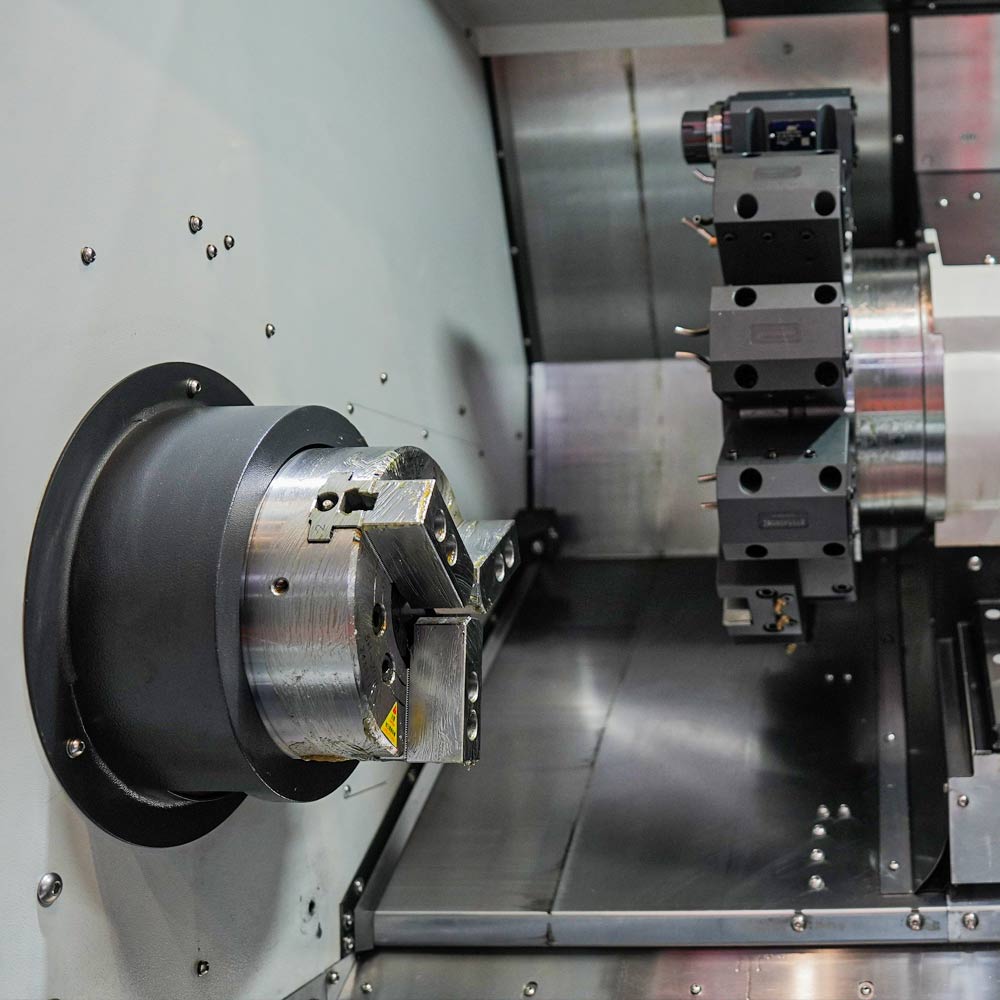
This piece walks through what I’ve seen work — and fail — and then compares solutions so you can judge for yourself. We’ll talk servo turret responses, spindle speed tuning, and tool-change choreography without getting lost in jargon. Ready? Let’s move on to what really trips people up.
Why traditional solutions miss the mark (technical take)
Where do manufacturers go wrong?
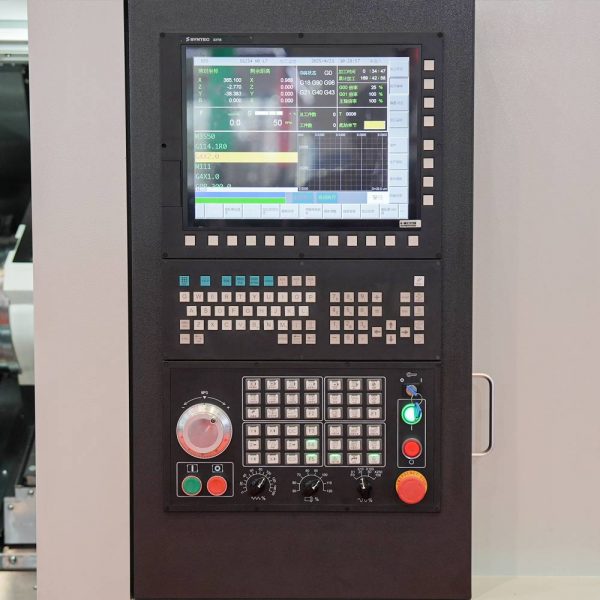
When shops chase faster output they often call cnc turn mill center manufacturers and expect a magic fix. I’ve seen this happen many times. The usual answer is more tooling, higher spindle speed, or a fancier control panel. But those moves ignore core constraints: thermal growth, suboptimal feed rate profiles, and latency in the machine’s motion path. From a control perspective, the Y-axis coordination and live tooling timing are pivotal. Miss those and you just accelerate downtime—frustrating, really. — funny how that works, right?
Technically, many traditional fixes treat the symptom. You crank spindle speed to reduce cycle time, but you introduce chatter and tool wear instead. You add a high-capacity tool changer, yet never address poor G-code optimization that forces extra moves. I prefer to audit the motion control first: check axis tuning, encoder feedback, and spindle acceleration curves. After that, we layer in process changes — updated tool paths, smaller stepovers, and proper coolant strategy. Look, it’s simpler than you think when you start here: fix feedback loops, then push speed. The terms I focus on most are spindle speed, feed rate, and tool changer sequencing; they matter for real-world gains.
Comparing new-principle solutions and future outlook
What’s next for production efficiency?
Looking forward, I’m excited by approaches that combine smarter control with modest hardware upgrades. For example, adaptive control that tweaks feed rate in real time, or better integration of edge computing nodes for predictive maintenance. That said, not every high-tech add-on pays back. I often compare a software-first route versus a full hardware revamp. The software route adjusts motion profiles and optimizes G-code on existing machines; the hardware route buys new spindles or twin-turret heads. Performance gains can be similar if the software is well-implemented — and cheaper. — and yes, costs matter.
Let me share a short case: a mid-sized shop worked with a team of engineers to refine tool paths and tune servo gains rather than replacing spindles. They reported a 28% drop in cycle time and fewer tool failures within three months. That result convinced them to postpone a costly capital purchase and instead invest in staff training and better process monitoring. If you want to explore suppliers, I also recommend vetting cnc milling manufacturers who can support both controls and on-site tuning — it changes the conversation from “buy more” to “use better”.
Closing: how to evaluate options
I’ve seen too many teams pick the shiny thing and wonder why output didn’t improve. So here are three practical metrics I use when evaluating double-spindle CNC paths: 1) Effective cycle time reduction — measure before and after with real parts; 2) Tooling cost per part — include downtime and wear; 3) Process stability — track rejects and rework over 30 days. These metrics tell a clearer story than specs alone.
Weighing technical tuning against hardware upgrades is a judgment call, but I lean toward optimizing controls and process first. It’s less risky, often cheaper, and teaches your team skills that matter long-term. If you want a reliable partner who understands both machine mechanics and control logic, consider reaching out to Leichman. I’m convinced that, with the right focus, your double-spindle CNC machine can finally do what you expected it to do — faster, cleaner, and with less headache.
