

Shortlisting Junction Box Plastics: Which Questions Should You Ask Suppliers and Engineers?
Quick comparison to frame the decision
You’re weighing plastic junction box options and the differences feel subtle until a site condition makes one choice obvious. Think of the selection as a set of trade-offs: cost vs. longevity, surface finish vs. service access, availability vs. lead time. If the job touches hazardous-area work or specialized lighting, coordinate early with teams working on explosion proof electrical equipment so procurement, engineering, and inspection stakeholders are aligned on what questions need answers.
Procurement-level factors to compare
Compare suppliers on these non-technical dimensions so stakeholders can prioritize: total landed cost, production lead time, minimum order quantity, stock flexibility, and traceability of batches. Ask how each supplier handles changes in demand and what documentation they provide with shipments. Those differences often drive project risk and schedule more than subtle material properties.
Material and lifecycle questions to pose
Rather than asking for material chemistry or performance numbers yourself, ask suppliers and your engineer these questions: What known service conditions should we tell you about? How do you validate a given plastic’s suitability for those conditions? What is the expected service life under typical field conditions, and what warranty or replacement terms do you offer? Let qualified engineers interpret any material data the supplier supplies.
Fit, form, and access: practical procurement checks
Boxes can vary by enclosure depth, knockout options, mounting interfaces and accessory fit. Ask for clear drawings, sample parts or reference installations, and a checklist of accessory compatibility so fabricators or installers can confirm fit before bulk purchase. Confirm how suppliers handle custom cutouts or modifications in production runs—turnaround and costs there matter to schedules.
Documentation, testing claims, and traceability
Don’t request technical testing procedures yourself; instead ask suppliers which third parties performed verification and what traceable documents they’ll provide with each lot. Request a sample certificate package early so project reviewers can see what will arrive with shipments and whether that package meets the buyer’s internal QA expectations.
Supply-chain resilience and warranty questions
Ask about where parts are manufactured, options for local stocking or consignment, contingency plans for delays, and how warranty claims are handled across borders. Small differences in logistics and claim handling explain why two similar-priced options can lead to very different project outcomes.
When hazardous or explosion-risk areas are in scope
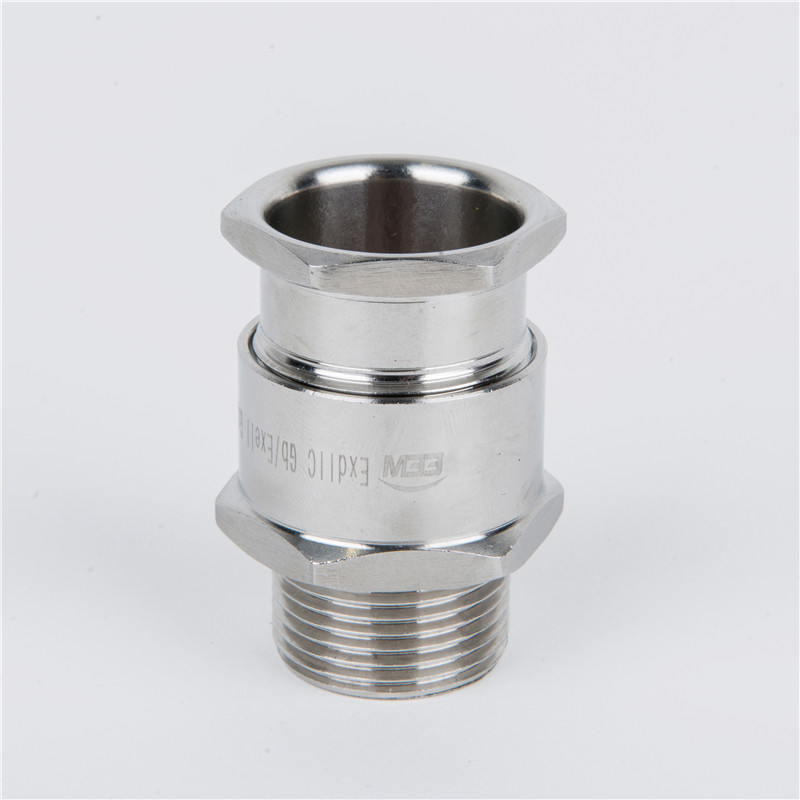
For projects that touch hazardous locations, frame procurement as a coordination problem: have you asked the supplier what documentation they provide for components intended for those areas, and have you asked your engineer to confirm suitability? Discuss interfaces with any lighting and conduit systems early and request clarity on product labeling and traceability. For inquiries that specifically mention specialized components, include requests about product families such as electrical explosion proof fittings so procurement and engineering can review interfaces together—don’t try to resolve those technical fits in isolation.
Comparing vendor proposals the smart way
Create a side-by-side evaluation that ranks supplier responses to the same set of questions: lead times, documentation, sample availability, change-order policy, and warranty. Make sure engineering reviews any material statements and that procurement flags logistics risk. That comparative picture reveals the practical differences you’ll live with on site.
Summing up the buyer’s checklist
Focus conversations on measurable procurement outcomes: what documents arrive with each shipment, how variations are handled, and how quickly a supplier responds when conditions change. Keep engineers focused on interpreting material data and labeling for any hazardous-area interfaces. That collaborative approach produces a shortlist that balances schedule, cost, and clarity—just the kind of result teams expect when they work with a supplier like sunleem.
