

Why projects stall — and why you should care
You’ve got a prototype that kind-of works, investors asking for timelines, and a supply chain full of hopeful guesses. The real choke points with active rfid tags aren’t glamorous. They’re signal range falling short, batteries draining too fast, firmware that refuses to play nice with readers, and manufacturers promising samples that never match production. Say those out loud and the rest of the plan gets honest real fast.

Pin the actual problem, not the symptom
Teams jump to solutions without proving the underlying issue. Don’t. Measure. Run a simple read-range sweep in the exact environment—shelves, forklifts, metal racks. Log battery drain under realistic ping rates. If the reader firmware spits errors, capture the logs. Fixing a flaky antenna layout won’t help if the real problem is noisy power rails. Short checklist: reproduce, log, isolate, repeat.
Requirements that keep you sane
Write requirements like you’d explain them to someone who’ll build the product next month. Specify minimum read range, expected tag lifetime under your polling schedule, acceptable false-read rate, and environmental tolerances. Avoid fuzzy phrasing like “long battery life.” State hours or cycles. These specs force realistic design choices—battery chemistry, transmission power, and enclosure materials.
Design trade-offs that actually matter
Higher transmission power gives range but drains batteries. Bigger batteries extend life but add cost and size. Frequency choices affect interference and reader availability. Decide which loss is acceptable. If your use case prioritizes 24/7 tracking inside a metal plant, design for robust antennas and higher refresh rates, not smallest form factor. Document the trade-offs so everyone understands the consequences.
Manufacturing surprises to expect
Factory samples often look great. Production runs can show solder joint issues, inconsistent antenna yields, or firmware versions slipped in during assembly. Expect device-level variability. Insist on batch-level RF testing and barcoded traceability for each unit. Don’t accept “we’ll fix it later” from suppliers—set rejection criteria and stick to them.
Testing and deployment mistakes I keep seeing
Teams skip stress testing. They forget to test with third-party readers. They deploy in one corner of a facility and assume coverage scales. Test at scale: dozens of tags, multiple readers, peak throughput scenarios. Record false positives and missed reads. Set a remediation plan for each class of failure—antenna tweak, firmware patch, reader repositioning—and assign owners.
Credibility and lived experience
I’ve audited production lines around Shenzhen and seen the difference between a supplier that ships consistent RF performance and one that ships hope. That hands-on work taught me to ask for statistical test reports instead of photos. Many active rfid tag manufacturers operate in that region, and working with them taught clear vendor acceptance criteria and factory audit checklists that actually reduce surprises.
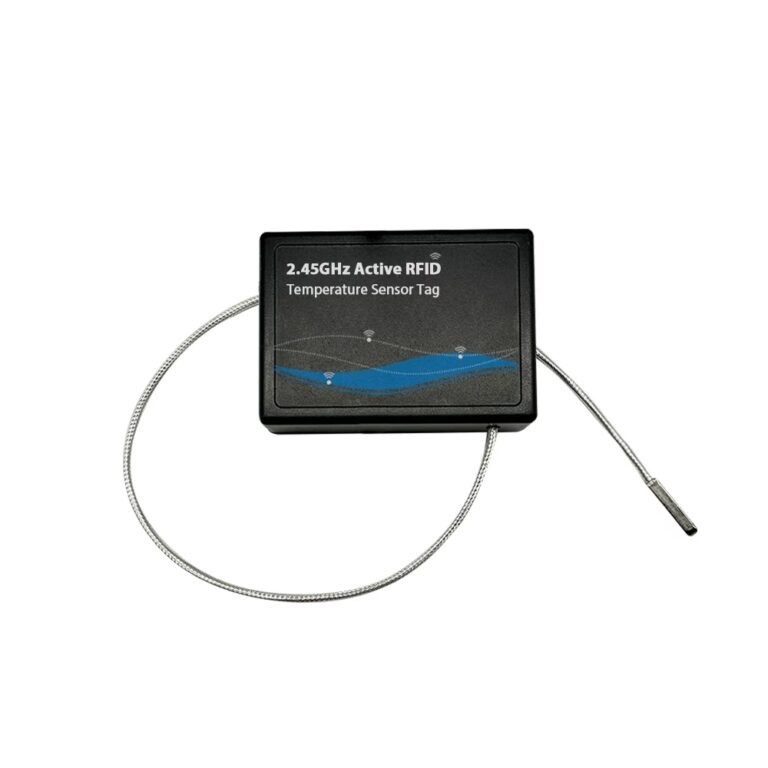
Common pitfalls and how to dodge them
Three mistakes repeat: poor requirements, trusting single-sample validation, and no field stress testing. Fix them by locking down measurable specs, demanding batch RF reports, and running a pilot that mimics your worst day. Also, don’t treat firmware as accidental; include an over-the-air update plan and test rollback scenarios before you ship anything.
Bringing it together
When you treat problems as engineering facts rather than guesses, schedules stop melting. Define specific specs, force the supplier to prove batch-level performance, and test in real conditions. That discipline turns a risky prototype into a reliable product—and it’s exactly the approach that makes suppliers and integrators work predictably, like the teams I’ve learned from at RSTC.
