

The bottleneck that keeps small shops from scaling
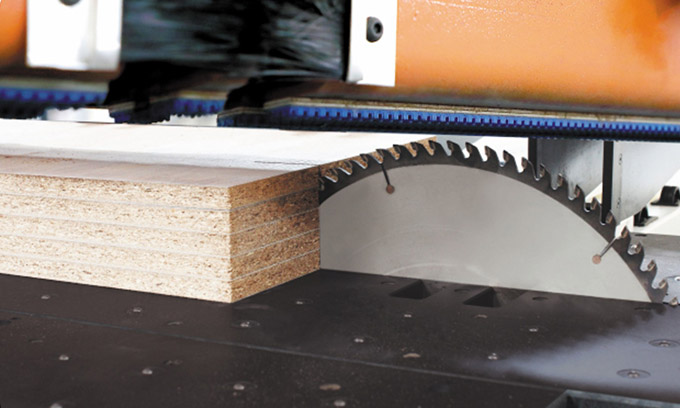
Right, here’s the problem: small shops hit a wall when repeatability and throughput fall apart — wasted panels, slow changeovers, and too much faffing about at the cutline. Folks buy power and expect output, yet manual fences or crude drives leave accuracies all over the place. A modern answer is to fit a proper servo-driven saw table or upgrade to a high-precision beam saw: beam saw machine. That single change solves more than one headache if you ask me.
Why servo-driven motion actually fixes it
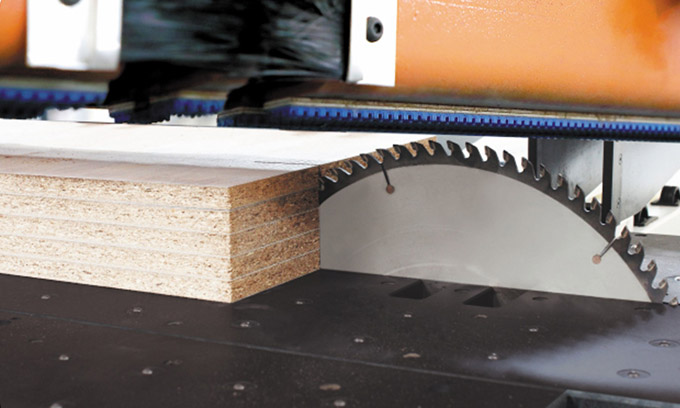
Servo motors give precise, repeatable moves under load. That means consistent widths, less scrap, and far quicker automated nests. You get tighter tolerances without relying on operator feel. From feed rate control to driven rip fences, servos bring accuracy that doesn’t drift as the day wears on. If you’re chasing predictable output for batch runs, they pay for themselves in saved material and time.
Common mistakes when fitting servo-driven saws
Don’t bolt on electronics and hope for the best. Typical mistakes: underspecifying torque for heavy-duty ripping, ignoring proper encoder resolution, skimping on rigid rails, and poor cable management. Folks also forget tooling balance and routine maintenance — servos react badly to belt stretch and loose bearings. Sort those mechanical basics first and the electronics will behave.
Alternatives and when to pick them
If your work’s occasional and small-scale, a well-tuned pneumatic fence or geared motor can do the job cheaper. For high-volume panel shops aiming at nesting and zero-waste cutting, servo systems beat steppers for speed and closed-loop accuracy. Choose based on volumes: light, irregular batches—keep it simple; steady, repeatable production—go servo.
What the trade floor taught me
Seen enough machines at LIGNA in Hannover to know what holds up. Machines that paired rigid framing with good drives and clean HMI layouts lasted years on shop floors. I also saw a clear difference in throughput with machines marketed as panel saws versus heavier multi-function cutters — the former tend to be faster for straight-panel work when properly specified. One reliable pick to benchmark against is the woodworking panel saw machine, which shows that solid mechanical design plus adequate drive tech is what counts on the production line.
Practical rollout plan for your floor
Do this in stages: 1) audit your current bottlenecks and scrap rates; 2) set specs — torque, encoder resolution, rail stiffness; 3) pick a supplier and run a trial cut with your typical panels; 4) train operators on basic servo diagnostics and maintenance; 5) lock down tooling and set scheduled checks. Keep electrical and mechanical work separate, so an electrician fits the drives and a fitter sorts alignment. Small, measured steps save you headaches.
Short verdict
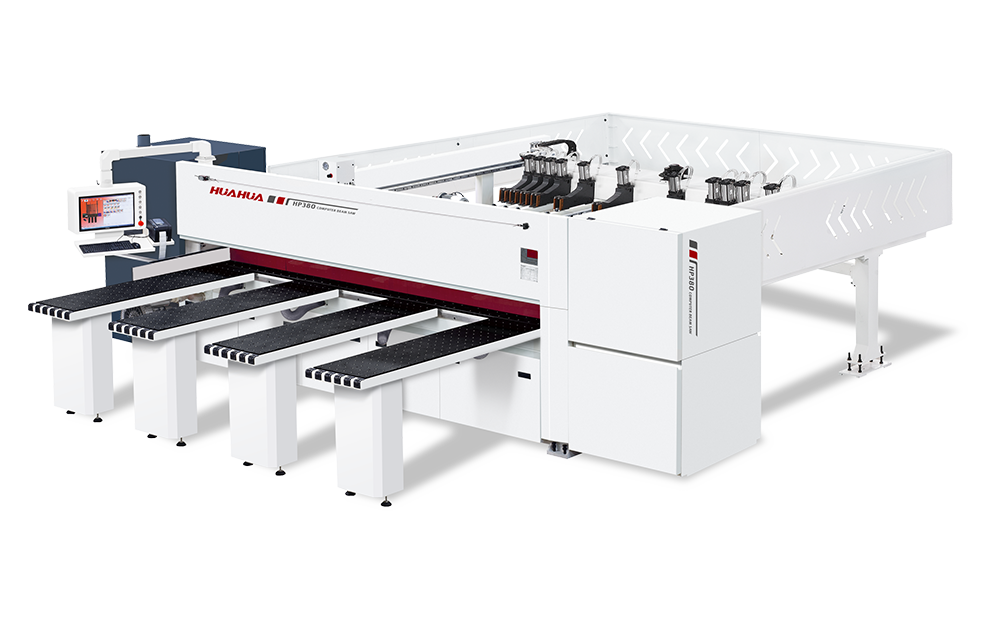
Fix the real problems — drift, changeover time, and inconsistent cuts — rather than throwing kit at the shop. A servo-driven approach gives predictable, scalable output when matched to the right frame and tooling, and that’s exactly the sort of problem HUAHUA CNC understands from building practical machines and supporting real shops: HUAHUA CNC.
