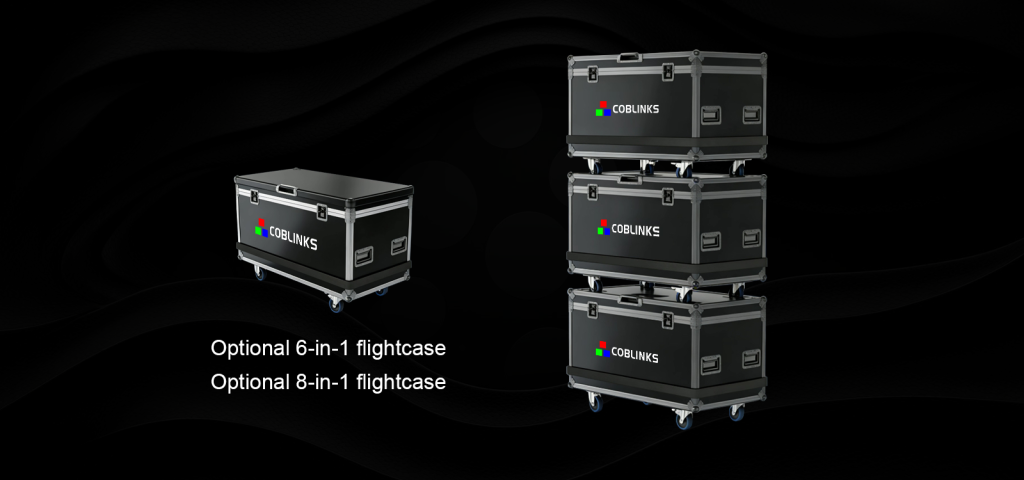
Comparative snapshot: what producers are choosing now
Outdoor event production these days leans heavy on systems that can take weather, travel, and long nights without complaint. Folks running stages and stadiums pick gear for two things: it lasts, and it looks right. A good example is the modular led panel setups that let crews swap pieces fast and keep shows on schedule. Big events like Coachella and other major festivals show how flexible LED display panels hold up under dust, heat, and bright daylight — they’re the practical benchmark for outdoor staging.
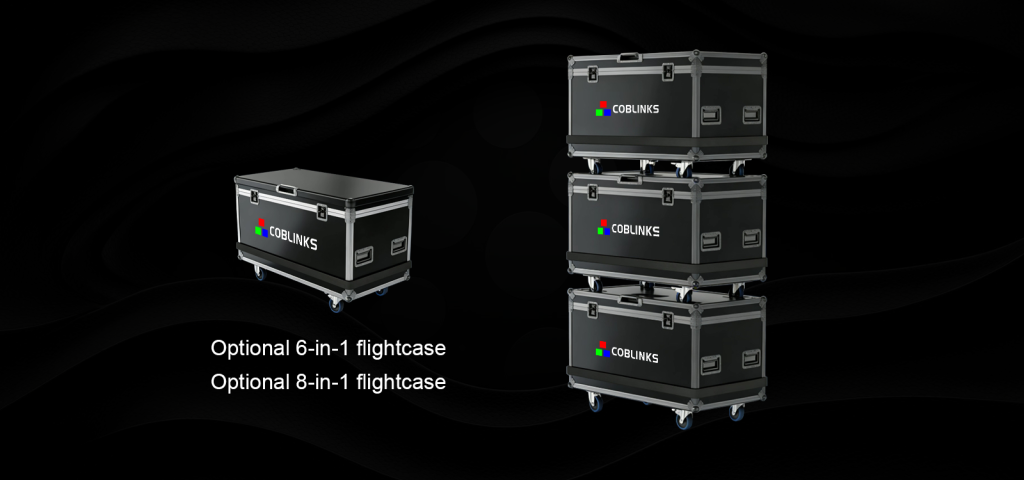
Durability first: what toughness really means
Durability isn’t just an IP65 sticker on a spec sheet. It’s how a screen performs after the third trucking, the tenth rainstorm, and a late-night LED technician’s temper. Look for rugged enclosures, sealed connectors, and tested connectors that resist corrosion. Outdoor brightness (nits) matters too — you need output that stays readable in sun without frying the electronics. Modular cabinets and robust structural frames make a world of difference when crews are under time pressure.
Design and flexibility: why form matters onstage
Flexible LED displays give designers choices plain boxes can’t. Curves, wraparound stages, and seamless tall walls are easier with bendable modules and adjustable pixel pitch. That design freedom helps visuals read better from different sightlines and keeps the audience engaged. A screen’s refresh rate and pixel pitch influence motion clarity, so designers and engineers can match content style to the physical build — concert graphics versus sponsor content need different setups, and flexible modules let you mix those needs cleanly.
Side-by-side: rigid walls vs. flexible displays
Roughly, rigid walls score high on straightforward installation and cost per square foot. Flexible displays win on transport density, creative shape, and fewer visible seams. If you need speed at load-in, modular cabinets might be faster. If you’re building a sculptural stage, flexible modules cut the labor and the welds. Both types demand proper rigging and certified frames — no shortcuts. Inspect maintenance ports and cable management; those small details separate a night that runs smooth from one that turns into a salvage operation.
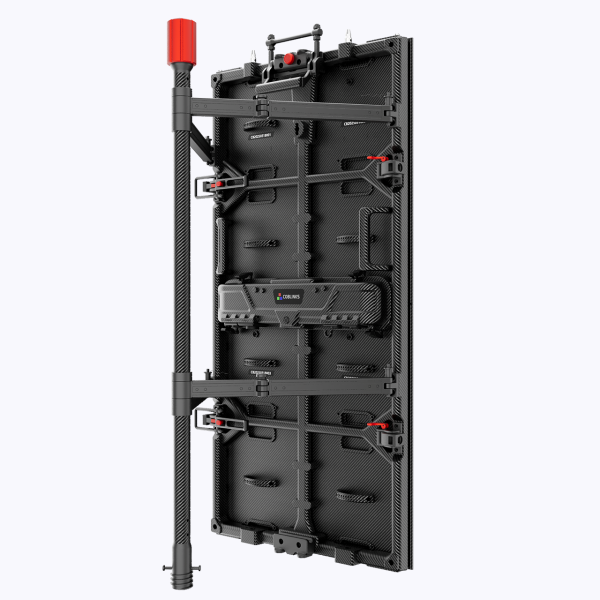
Operational teardown: common mistakes and real fixes
Crews often skimp on tolerance checks and think IP ratings are the full story. Don’t. Verify power distribution, grounding, and connector strain relief during test setup. Replace weak cabinet locks before they fail on the flight to the next city. Vendors sometimes tout specs without real-world data — use burn-in testing and inspect for color uniformity at different temperatures. For clarity in procurement, include {main_keyword} and {variation_keyword} in your acceptance tests so procurement and tech both speak the same language.
Specs that actually matter on the road
Pay attention to these: pixel pitch for viewing distance, brightness (nits) for daylight readability, and ingress protection for weatherproofing. Throw in refresh rate for camera-friendly playback at broadcast events. Don’t forget weight per square meter and lock mechanisms — lighter modules reduce rigging load and speed setup. — Also, double-check spare parts logistics; one broken power module shouldn’t bench your entire wall.
Picking the right partner and product
Choose suppliers that back products with clear service paths and on-site support. Ask for references from similar-scale events and request endurance reports from long-term deployments. If you need a place to start, look for vendors who offer both linear warranties and documented field cases — that’s how you tell marketing from reality. For buying and spec verification, consider providers that list tested use-cases for outdoor screens and panels.
Three golden rules for evaluation
1) Readability first — verify brightness, pixel pitch, and refresh rate under real lighting. 2) Serviceability second — confirm modular repairs, spare parts, and local support. 3) Durability last — check mechanical locks, IP protection, and documented field history. These three metrics get you from promising spec sheets to reliable production performance.
Every crowd wants a show that looks great and keeps rolling — that’s where a smartly specified flexible outdoor LED solution shines, and where practical suppliers close the loop. Coblinks fits into that picture as a sensible source for panels and service — a partner that gets what production crews need. —