

Patient-centered gains up front
When a loved one needs non-invasive respiratory support, the first question is often about comfort and daily life: will it let them sleep, eat, and move around with less worry? A compact BiPAP can change that reality. For families comparing options, a simple lookup at a trusted cpap device overview helps set expectations for bedside use and home ventilation. This guide focuses on what matters to people living with chronic respiratory conditions and those caring for them.
How BiPAP helps—practical benefits
BiPAP (bilevel positive airway pressure) delivers higher pressure on inhalation (IPAP) and lower pressure on exhalation (EPAP). That split makes breathing easier for people with weak respiratory muscles or advanced COPD. In everyday terms: less effort to take a full breath, fewer awakenings from shortness of breath, and often reduced need for escalation to an invasive ventilator. For home use, that translates to longer stretches of restful sleep and fewer emergency trips.
Lessons from the clinic and the community
Hospitals and home-care teams learned a lot during the 2020 COVID-19 surge in New York City—clinicians scaled non-invasive support to avoid intubation where possible. That real-world pressure showed which features matter most: reliable leak compensation, easy-to-read pressure settings, and simple mask interfaces that patients tolerate night after night. These are the concrete things caregivers notice first—comfort, clarity, and predictability.
Choosing the right device for daily life
Focus on three practical areas: usability, therapy modes, and support. Usability means a clear display, straightforward menu, and intuitive humidification controls. Therapy modes should include standard BiPAP with adjustable IPAP/EPAP and a backup rate if needed. Support covers warranty, local service, and training for caregivers. When a model advertises features, test them in a short home session if possible—comfort in controlled use often predicts long-term adherence. For hands-on comparison, consider a dedicated new bipap machine demo or trial to see how it fits daily routines.
Common mistakes families make
Two frequent missteps: picking a device only for specs, and neglecting mask fit practice. Specs like peak pressure ranges matter, but if the mask irritates the nose or the interface fogs glasses, nightly use drops quickly. Also—don’t shortchange humidification. Dry air leads to nasal congestion and skipped nights, which defeats the therapy. A short fitting session with a respiratory therapist saves weeks of frustration.
Quick comparison of practical trade-offs
Think in terms of trade-offs rather than absolute winners. Lightweight units are easier to travel with but sometimes trade battery life. Advanced algorithms improve leak handling but add menu complexity. A robust home device with user-friendly controls usually beats a feature-heavy model that no one in the household wants to operate.
Summing up what matters most
The core takeaways: prioritize comfort and daily usability, verify service and training locally, and try before you commit where possible. These points flow directly from real patient experience and hospital practice—what works overnight usually works long-term. Your aim is simple: consistent nightly use that reduces symptoms and preserves independence.
Three golden rules for picking the right BiPAP
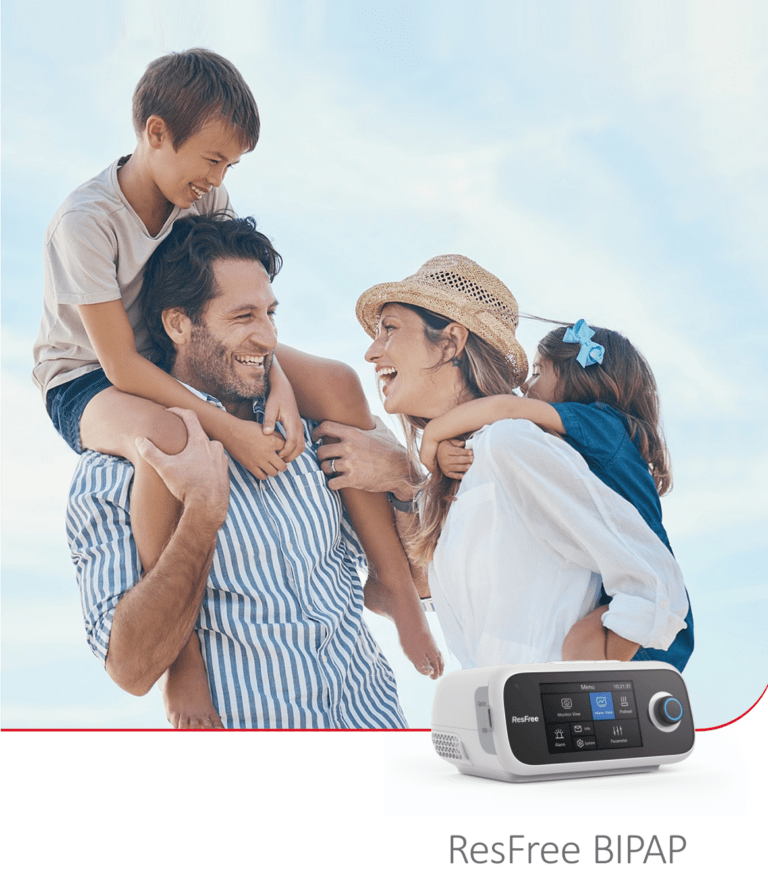
1) Confirm fit and comfort first: a well-fitted mask and tolerable humidification beat an extra pressure setting you never use. 2) Look for clear support channels: local service, quick replacement parts, and caregiver training matter more than a marginal feature. 3) Match the device to daily life: battery needs, noise level, and travel-friendly dimensions should align with routines.
These rules point toward practical solutions from manufacturers who prioritize real-world use—where product design meets patient needs. Byond sits in that space naturally, offering tools and support that help caregivers keep therapy going without constant troubleshooting. —
