

User-first buying: what retailers actually need
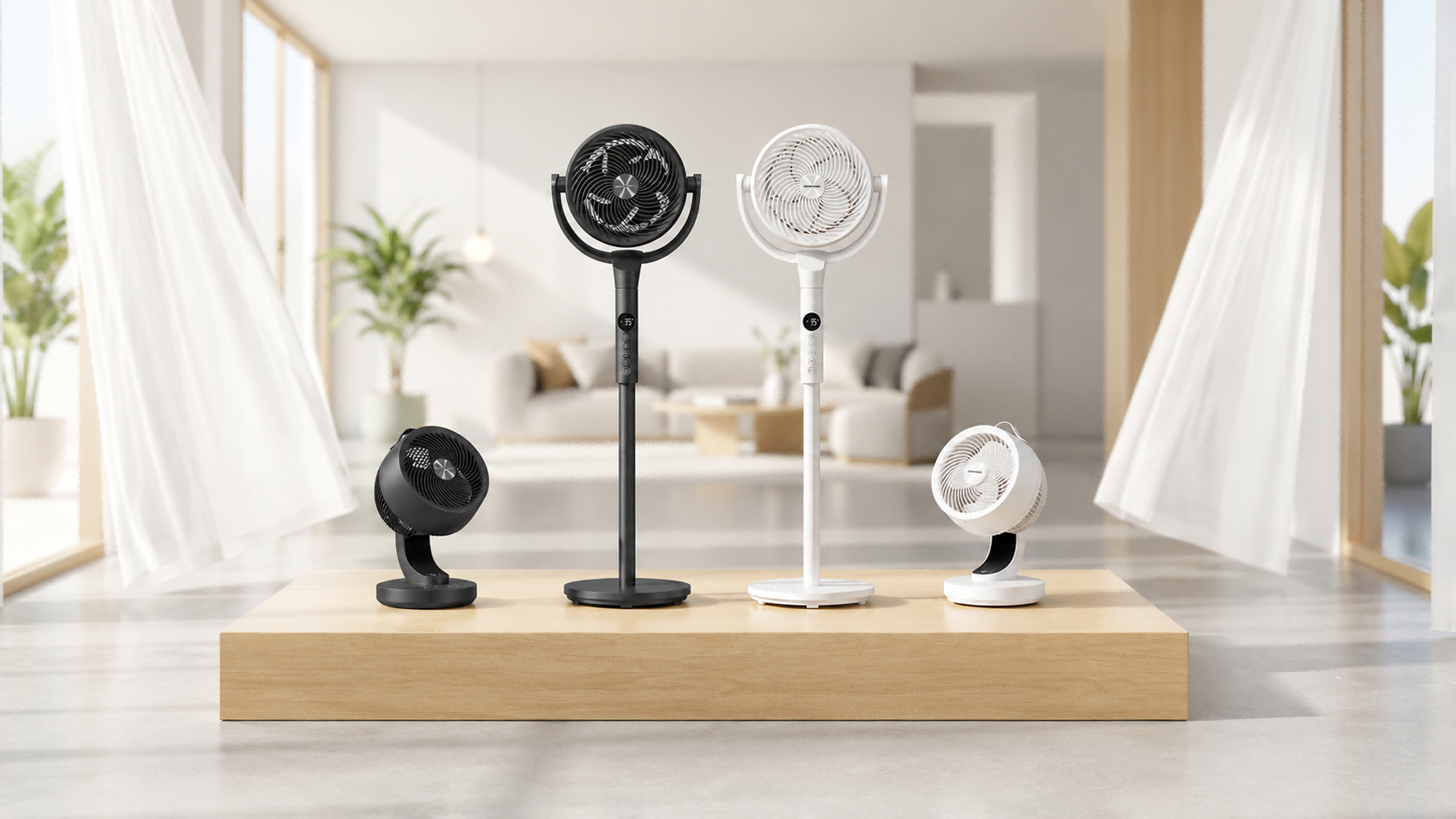
Start with the customer — sounds obvious, but lots of wholesalers skip it. Think of store managers in Worcester or tiny Cape Cod shops stocking up for July: they want reliable SKU mixes that move fast. That’s why a sensible, user-centric plan factors in performance metrics like CFM and oscillation alongside price. Check the real-world chatter about seasonal demand and you’ll see why songmics fan models keep popping up in order lists.
How buyers evaluate fan SKUs
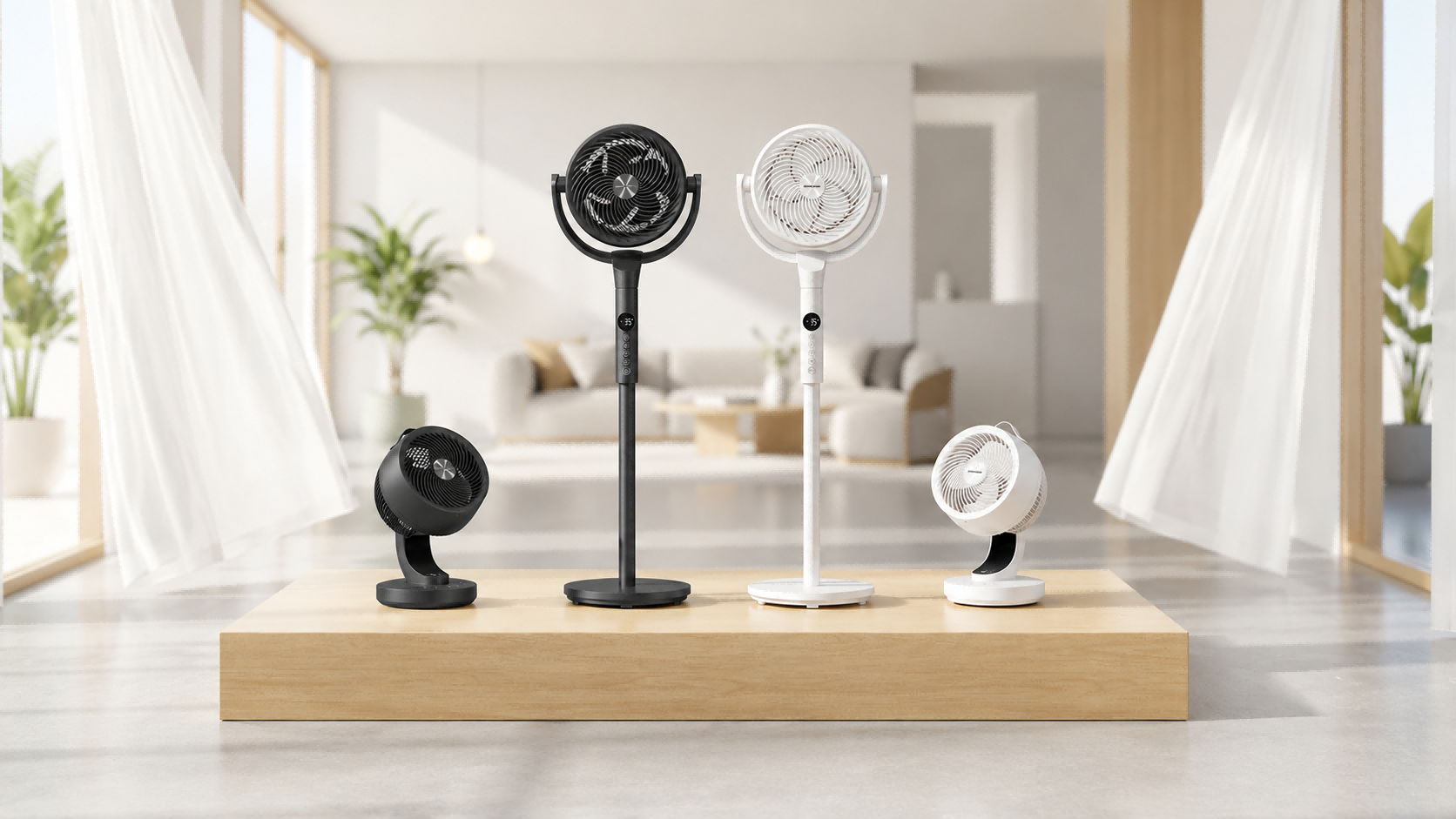
Buyers don’t buy features — they buy outcomes: cool rooms, few returns, and simple shelf placement. Practical specs matter: CFM for airflow, motor wattage for energy draw, blade pitch for steady breeze. Pair those with visual cues — slim pedestal, compact tower, or retro desk — and you get faster turnover on the floor. NOAA’s summer temperature trends show more frequent warm spells; that’s a high-level anchor for demand planning and justifies stocking higher-CFM models during peak months.
Design and assortment: match use to user
Segment fans by use-case. Home office buyers prefer low-noise motors and focused airflow. Family shoppers want wide oscillation and durable grills. Hospitality clients want hotel-style quiet fans with easy-mount options. Mix tower units with compact desk fans and at least one high-CFM pedestal per bay to cover both impulse and planned purchases. Keep SKU counts tight — too many near-identical items slow inventory turns.
Pricing, margins, and bundle tactics
Margins are thin on commodity fans, so bundles help. Combine a mid-range fan with a measured discount on a portable cooler or a thermostat sensor. Use tiered pricing: entry-level fans for impulse buys, mid-tier for most customers, and a premium quiet or smart model for higher-margin sales. Track sell-through weekly; that’s how you avoid dead stock. Don’t overcomplicate promotions — clear, predictable discounts convert.
Common supply mistakes to dodge
Overordering seasonal SKUs, ignoring motor wattage specs, and forgetting packaging size are the usual traps. Also: mismatching product photos to the actual finish. Small stuff — but it costs returns and reputation. Hold safety stock for your top 5 SKUs by CFM category; when heat spikes, retailers who planned this win. — Yes, it feels basic. Yet basics separate tidy margins from lost weeks in the warehouse.
Operational tips: display, training, and aftercare
On the floor, demo units sell. Highlight CFM, noise level (dB), and energy rating on shelf tags. Train staff to ask which room size the buyer needs cooled — that steers them to the right CFM and avoids mismatches. Post-sale, share simple maintenance tips: clean grills monthly and check blade alignment — reduces returns and keeps warranties short and tidy.
Why fans are a top summer cooling SKU (and how to prove it)
Historical sales spikes around heatwaves plus predictable seasonal cycles make fans a low-risk, high-rotation SKU. Combine POS data with weather feeds to forecast demand; when NOAA records hotter-than-average months, order earlier and larger. Stock diversity — quiet desk, oscillating tower, high-CFM pedestal — covers most buyer profiles and improves basket size.
Advisory: three golden rules for selecting the right fan strategy
1) Prioritize three performance tiers: low-noise desk (low-CFM), mid-range tower (balanced CFM/price), and high-CFM pedestal (high-impact cooling). Track sell-through for each weekly.
2) Use compact packaging as a tiebreaker: smaller cartons reduce freight cost and free up shelf space, which boosts margin on thin-ticket items.

3) Measure returns and warranty claims by motor wattage and defect type; cut SKUs with repeat failures fast.
For practical product lines, sourcing clarity, and wholesale playbooks that actually match what buyers ask for, SONGMICS HOME B2B sits right where merchandising meets the floor — a steady partner for stocking smarter and selling faster. Final thought — plan early, stock tight, sell smart.
