

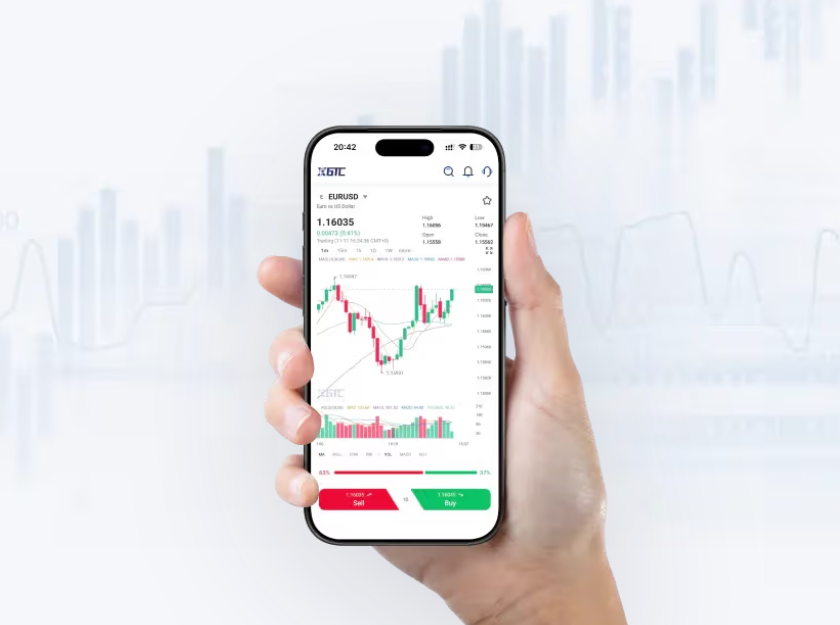
Silver CFDs attract attention from traders who want a tighter link to commodity cycles and clearer reactions to macro shocks. In a comparative view, they sit between volatile single-stock CFDs and broad equity CFDs, offering a balance of liquidity, cost, and directional clarity. Traders monitoring spreads and leverage frequently add index cfd exposure alongside silver to hedge sector risk or capture divergence between metals and equities.
Comparative Snapshot: Silver vs. Index Instruments
Silver CFD positions typically show higher short-term volatility than major indices but lower idiosyncratic risk than individual stocks. That trade-off matters: silver’s liquidity and persistent correlation with real rates and industrial demand make it complementary to an underlying index exposure. Practical terms to watch are spread, margin, and leverage — silver often carries narrower spreads during active sessions, while indices cfd provide broader market coverage and smoother drawdowns.
How Market Behavior Shapes Choice
Historical moves underline the difference. During the March 2020 market plunge, volatility surged and many traders rotated into precious metals as a hedge while maintaining index positions for broad exposure. That event is a clear real-world anchor: it demonstrated how silver can act as a tactical overlay when equity volatility spikes. Traders concerned about sudden swings value silver for its liquidity and rapid price discovery — but they must manage leverage and margin carefully to avoid amplified losses.
Costs, Execution, and Practical Tradeoffs
Execution quality and transaction costs often decide whether silver or index CFDs are preferable. Indices generally offer deep liquidity and tight execution during market hours; silver can be similarly efficient but shows wider gaps in low-volume periods. Consider these operational points:- Execution latency and slippage during high volatility.- Overnight financing on leveraged silver positions versus index futures roll costs.- Spread variability by session and instrument.Traders who run intraday strategies favor instruments with predictable spreads; swing traders often tolerate wider spreads for stronger directional moves.
Common Mistakes and Simple Fixes
Many traders misuse leverage or ignore correlation dynamics — mistakes that cost real capital. A typical error is layering highly leveraged silver positions while holding concentrated index bets without accounting for cross-asset correlation. The remedy: size positions by realized volatility and set stop levels tied to average true range, not just percentage rules. Risk metrics such as maximum drawdown and value-at-risk should be applied consistently — this clarifies how a silver tilt will affect a broader portfolio.
Platform Selection: What to Test
Choosing where to trade matters. Test platforms for execution speed, depth of market, and transparent financing calculations. Look for clear margin requirements and an execution log you can audit. Evaluate tools that show volatility heatmaps and correlation matrices so you can pair silver with an index or hedge in real time — those tools shorten the feedback loop and improve decision-making. A prudent trial includes backtesting small strategies under simulated slippage and checking how spreads widen during economic releases.
Short Checklist Before You Commit
Assess these elements before increasing silver exposure:- Liquidity across session times and typical spread behavior.- Correlation trends with your chosen indices and the potential hedge impact.- Margin impact on portfolio-level leverage and emergency funding needs.These checks reduce surprise margin calls and keep strategy execution consistent — small preparation prevents large problems later.
Advisory: Three Golden Rules for Choosing the Right Instrument
1. Match instrument volatility to your time horizon: use silver for tactical hedges or conviction trades; use indices for diversified, longer-term exposure. 2. Quantify funding cost vs. expected edge: overnight financing on leveraged metal positions can erode returns unless the trade has a clear edge. 3. Insist on transparent execution metrics: confirm average spread, typical slippage, and order fill history before scaling. These rules turn comparative insight into operational discipline.
The comparative view shows silver CFDs are not universally better, but they often offer a sharper tactical tool for traders who combine them with index exposure and manage leverage responsibly. For execution clarity and tools that surface those cross-asset dynamics, consider platforms that make correlation and cost visible — a practical solution often found with GTCFX. –
