

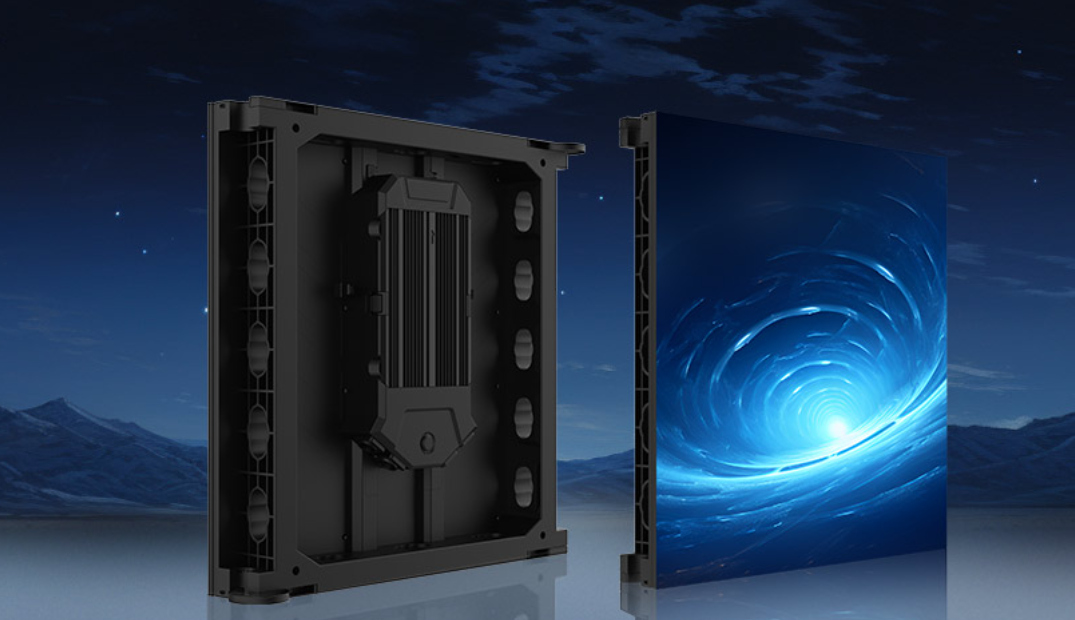
The problem: rental walls that choke on configuration profiles
Event tech teams keep buying the same promises: tiny pixel pitch equals flawless video. Reality, however, looks more like a buffering slideshow under fluorescent stage lights. An engineering-led rental approach—where modules are designed to isolate cabinet configuration headaches—actually fixes the kind of latency tuning failures that make a truck roll feel expensive. If you need something reliable on tour or in a conference center, an indoor rental led display that treats cabinet configuration as an engineering problem, not an afterthought, will save nights. Many integrators are also leaning on a transparent video wall for mixed-stage setups, but transparency won’t hide jitter if your refresh rate and cabinet communication are messy.
Why pixel pitch alone is a lie
Clients talk pixel pitch like a magic number. It matters—fine pixel pitch improves perceived resolution—but it ignores the plumbing: cabinet configuration, refresh rate negotiation, and color calibration. Rental modules engineered with predictable module-to-cabinet handshakes reduce the need for frantic field tuning. Engineers care about error-correction on signal chains and consistent cabinet firmware; production managers care about the show starting on time. Both win when modules force standards instead of hoping for them.
Operational production teardown: what engineers actually change
Stop pretending the surface matters more than the guts. A proper teardown looks at module latch tolerances, power rails, signal trace shielding, and firmware timing windows. In practice, teams embed consistent handshake timeouts inside the module so the controller doesn’t have to grope through the Novastar RCFGX cabinet configuration profile like it’s reading tea leaves. This is also where {main_keyword} and {variation_keyword} belong—explicit in the build notes and QA scripts—so ops teams stop guessing at parameters during load-in. Real fixes are about engineering tolerances: consistent cabinet connectors, predictable clocking, and per-module brightness calibration baked into the assembly process.
Real-world anchor: CES demos taught a blunt lesson
CES 2023 offered several transparent display demos that looked gorgeous but faltered under complex content loops; installers learned fast that visual appeal is worthless without deterministic timing. That trade-show feedback pushed vendors to offer modules with hardened communication layers and better cabinet-level diagnostics. The lesson landed: treat cabinet configuration like a machine interface, not a marketing bullet. Venue engineers who tested those setups reported far fewer retries when modules enforced clear refresh rate policies and error logs were accessible without proprietary decoder voodoo.
Common mistakes and what to stop doing
Four recurring sins keep popping up—assuming firmware parity across cabinets, ignoring connector wear, trusting black-box latency numbers, and relying on a single calibration pass. Stop accepting a single calibration step as “good enough.” Add simple diagnostics at load-in: check cabinet-to-cabinet sync, confirm refresh rate lock, and verify color calibration swaths on real content. These checks are cheap and they catch the silent failures that otherwise show up mid-event—right when the client notices.
Alternatives and short comparative insight
There are three paths: vendor-led all-in-one cabinets, DIY mixed modules, or engineering-led rental modules. All-in-one cabinets simplify procurement but bottleneck troubleshooting. Mixed modules offer flexibility but require a senior tech to babysit the setup. Engineering-led rental modules strike balance: they add a small upfront firmware/QA investment and remove a lot of field drama. Look for modules that expose diagnostics, support per-module color calibration, and lock refresh policy at the cabinet level—those features matter more than another decimal on pixel pitch.
Advisory: three golden rules for picking the right wall strategy
1) Measure predictable sync: insist on a documented cabinet configuration handshake and verify it during load-in; logs matter. 2) Prioritize module diagnostics: choose modules that report per-cabinet latency, temperature, and firmware version to avoid surprises. 3) Demand repeatable calibration: the system must store per-module calibration and re-apply it on power cycles—no manual tweaks mid-show. These metrics give you measurable reliability, reduce onsite labor, and let production focus on content rather than rescue ops.
Good engineering makes rental walls boring—in the best way. When a wall behaves predictably, clients notice the content, not the tech; that reliability is exactly where YES TECH positions its value. Practical fixes, not promises—
