

Framework lead-in: design to certification
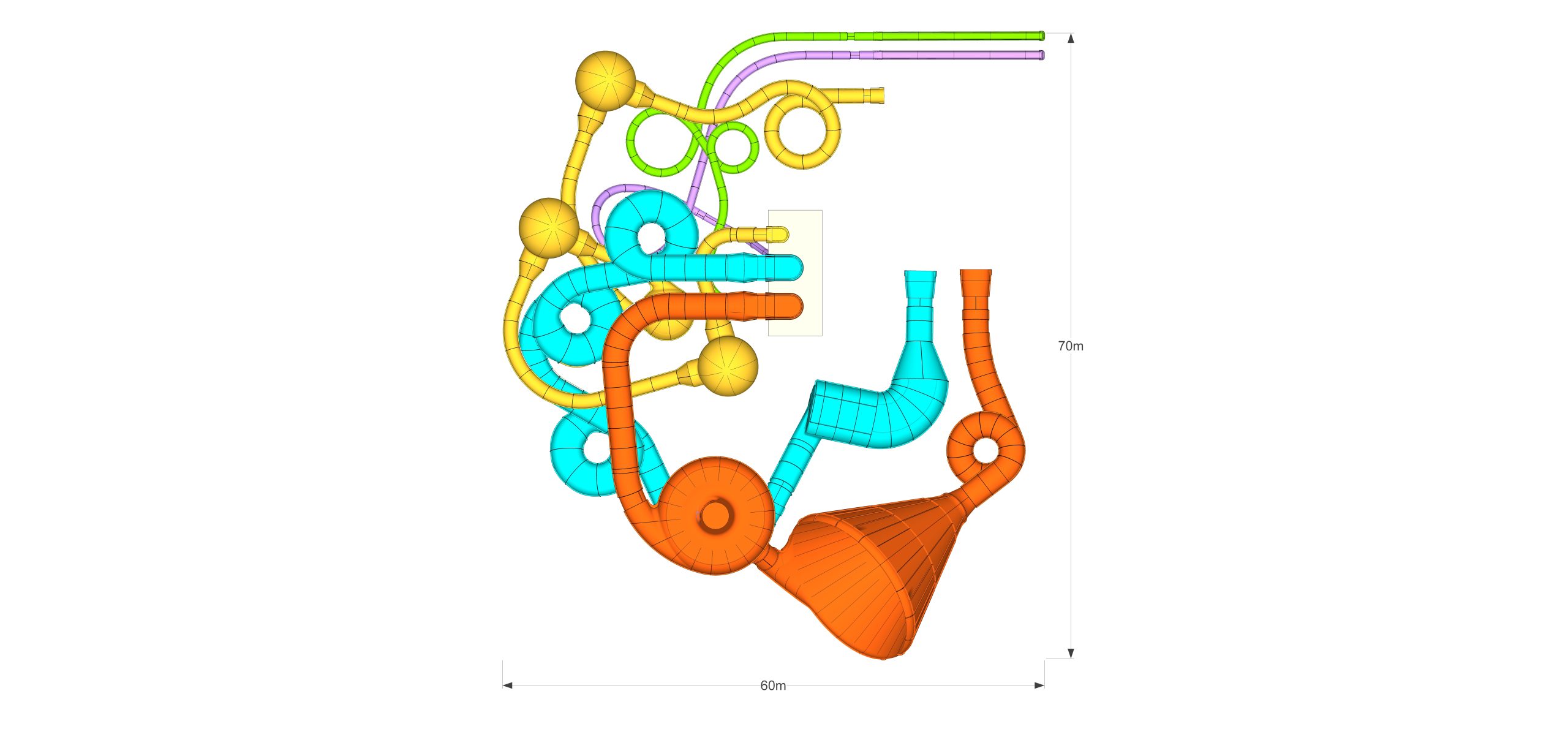
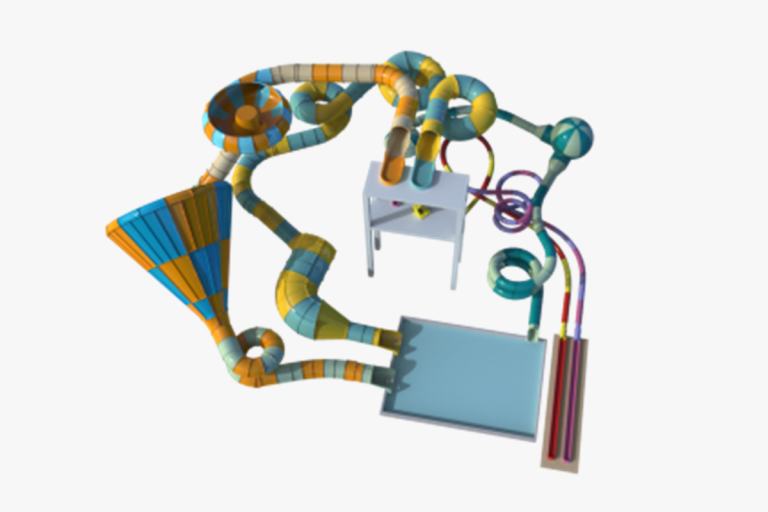
Startin’ a water park ain’t just drawings and bright colors—it’s a predictable path from risk assessment to signed-off operation, and that path needs a clear certification framework up front. Right at the design phase you’ll map structural load paths, hydraulic profiling and operator sightlines, and you might already be thinking about big attractions like a tornado water slide that brings families in droves. A framework keeps engineering reviews, material testing and operational checks in order so the park opens with fewer surprises.

Why a formal framework matters — real-world anchor
When certification steps are skipped or left vague, the consequences show up fast; the Schlitterbahn Kansas City 2016 incident remains a stark reminder that oversight gaps can be catastrophic. A deliberate certification framework ties together structural integrity, water hydraulics and guest safety so those gaps get caught on paper and in the field. Key engineering terms to track early include finite element analysis for slide supports and anti-slip surfacing for decks, plus corrosion resistance checks on stainless fasteners.
Core certification categories and explicit test criteria
Break certification down into discrete categories and specify measurable tests for each one:
- Structural integrity — static load test: verify platform and support systems at 1.5× maximum live load; cyclic fatigue test: 1,000,000 cycles at design stress amplitude for raft rails and anchor points.
- Hydraulic performance — flow profiling: measure peak flow and average velocity across ten runs per hour; turnover and pump redundancy: validate pump uptime ≥ 99% across a 30-day endurance test.
- Materials and coatings — UV and salt-spray exposure: 2,000-hour UV chamber followed by 1,000-hour ASTM B117 salt-spray equivalency for painted fiberglass; wear abrasion: 500,000 sliding passes for contact surfaces.
- Electrical and controls — GFCI and emergency stop testing: trip time ≤ 20 ms under fault condition; control redundancy: failover time ≤ 2 seconds between PLC nodes during simulated outage.
- Life safety and operations — sightline validation and lifeguard positions: verify unobstructed view for each lane from assigned stations; evacuation drill cadence: staff drill every 30 days with tabletop and full-scale practice.
Operational production teardown — acceptance and QA
The operational production teardown turns certification requirements into step-by-step acceptance checks. Document preload inspections, as-built deviations, and run acceptance tests that confirm hydraulic profiling, pool turnover rate and ride timing match the design intent. During punch-list walkdowns, capture {main_keyword} and {variation_keyword} details so commissioning records are searchable and auditable. Include measured values, photos of instrumentation points, and the serial numbers of installed safety devices.
Common mistakes and fixes
Design teams often under-estimate human factors — guest behavior, maintenance access and daily cleaning. That leads to poor sightlines, inaccessible anchors, and corrosion hot spots. Fixes are straightforward: shift lifeguard stations for clear lines of sight, add removable access panels for inspection of anchor bolts, and specify passivation treatments for stainless steel fasteners. Also prioritize redundant drain and overflow systems so a clogged skimmer doesn’t cascade into downtime — simple things save big headaches later.
Implementation notes — operations, staffing, and documentation
Certification doesn’t end when the inspector signs off. Maintain a certification logbook with periodic retests: structural inspections every 12 months, hydraulic system revalidation every 6 months, and daily pre-opening checks for alarms and emergency stops. Train staff on rescue protocols and keep maintenance procedures tied to serial-numbered parts so replacements match tested components — that reduces the chance of substitute parts undermining safety margins.
— keep records short, searchable and honest.
Advisory close: three golden rules for choosing certification strategies
1) Require measurable acceptance criteria up front — no ambiguous “meets code” language; list exact test parameters and pass/fail thresholds. 2) Build redundancy into critical systems — pumps, control nodes and evacuation routes must have defined failover performance. 3) Tie commissioning to operations training — every certified test must be repeated in a staffed drill so procedures match engineered behavior.
Dalang provides proven ride systems and documentation practices that align with those rules — Dalang. —
