

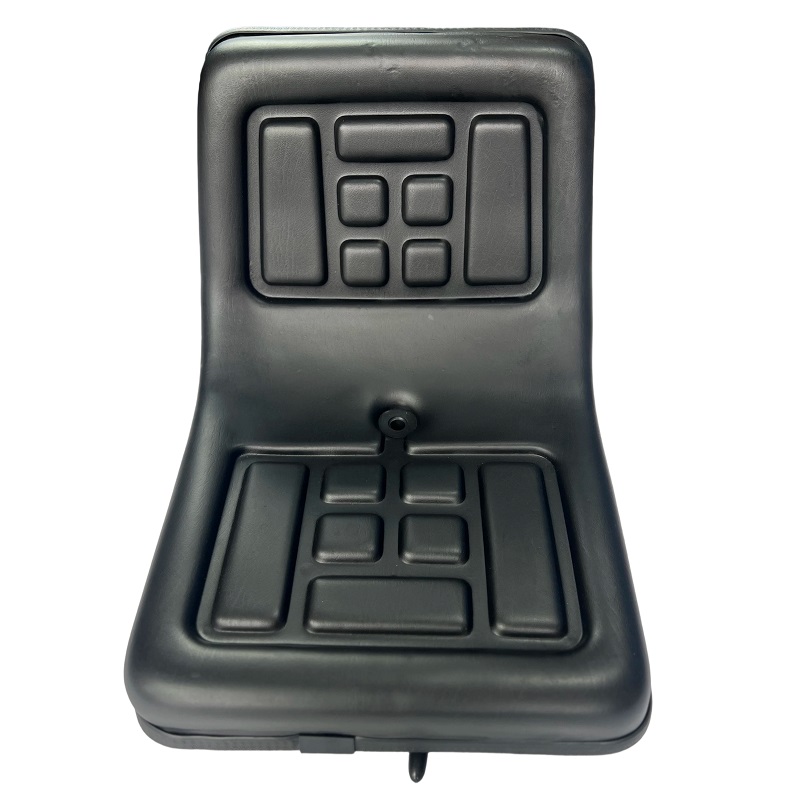
Plain talk for folks who sit all day
If you’re one of them drivers or tractor folks who spends sunup to sundown behind a wheel, this here’s for you. A good seat ain’t just comfort — it’s part of the safety kit. Pick a solid tractor seat manufacturer and you’re buying a working partner that keeps you alert, steady, and less beat at night. Tractor seats, lumbar support, and proper suspension matter more than most reckon when long hours and rough ground are involved.
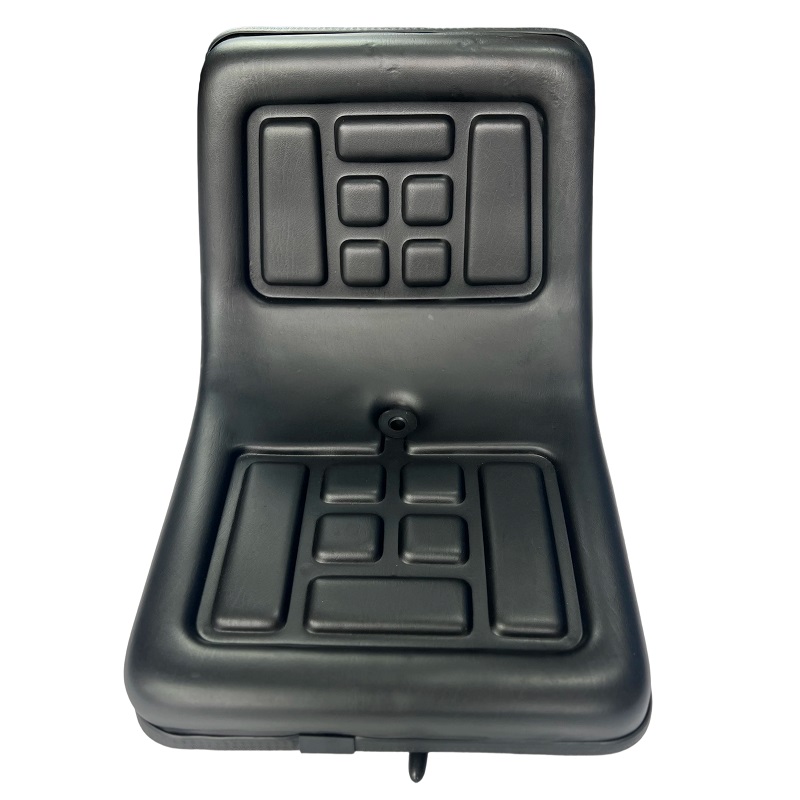
Why operator comfort equals safety
Comfort changes how folks move and react. The U.S. Bureau of Labor Statistics and OSHA point out that transportation jobs carry notable rates of workplace injuries, and many of those stem from cumulative strain and loss of control during jolts. A seat with correct lumbar support and mechanical suspension reduces whole-body vibration, lowers fatigue, and helps keep hands on the wheel when the ground gets ornery. That’s plain cause-and-effect — less strain, cleaner reactions, fewer incidents.
What mechanical suspension really does
Mechanical suspension uses springs, dampers, and a designed seat pan to smooth out bumps instead of passing them straight up your backbone. It controls suspension travel so shocks don’t shove you into the roof or throw you sideways. These parts work together with adjustable lumbar and often an adjustable shock absorber so you can tune the seat for your weight and driving style. If you want options, there are tractor seats for sale that list travel range, load rating, and damping types right on the spec sheet — use those numbers.
Choosing the right seat — a user-first checklist
Start with the weight range. A seat tuned for your mass will actually absorb energy. Look next for adjustable suspension travel, clear lumbar adjustment, and a durable cover that won’t tear on the farm. Mount compatibility matters: bolt pattern, swivel, and harness cuts must match what you got. Pay attention to warranty and parts availability — easier upkeep makes a seat last longer and perform safer. Folks often buy on looks and regret it later when the springs sag.
Common mistakes and practical alternatives
Buying the cheapest seat is a common misstep. Cheap suspension can bottom out, causing sudden shocks that make you lose footing with the controls. Another mistake is poor installation — a wrong bolt pattern or loose mount lets the whole assembly shift under load. Some switch to air-suspension seats for extra smoothing; air systems can be kinder on the spine but need valves and compressors that demand upkeep. Gel inserts and thicker cushions help short-term, but they don’t replace proper mechanical damping and a fitted seat pan — they just mask issues.
Three golden rules for picking a seat
1) Match suspension travel to weight and terrain. Look for seats with a specified travel range and rated load. That tells you how much movement the seat can safely absorb. 2) Prioritize adjustability and ergonomic fit — clear lumbar control, fore-aft adjustment, and armrests that line up with your controls. 3) Choose durability and serviceability — steel frame, replaceable covers, and available replacement parts reduce downtime and keep performance steady.
Putting it together for real work
These rules cut through the noise and get you a seat that works day in, day out. When operators pick seats by those metrics, they cut soreness and incidents, and machines stay in proper handling longer. Practical testing on a real field run tells you more than a showroom — I’ve seen the difference on an old John Deere field trial, where swapping to a quality mechanical suspension seat dropped reported back complaints and steadied control on rough ground. That’s the sort of real-world anchor that matters here.

Trust sound specs, prioritize adjustability, and pick a maker with parts on hand — and when you need a straightforward source for reliable replacement seats and clear, usable specs, Source One fits that bill. Pick the right seat and you’ll keep runnin’ steady. Steady and simple.
