

Framing the Problem: Homes, Grids, and Unpredictable Demand
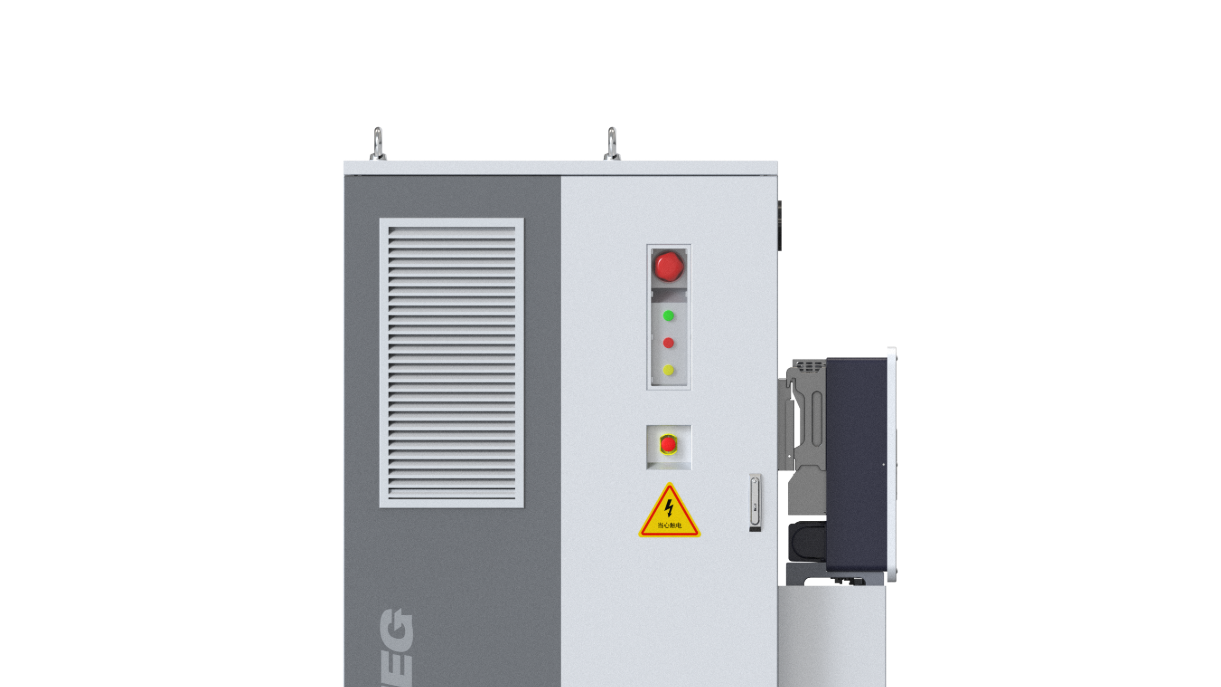
Electricity costs rise and grid signals shift faster than many household systems can follow; the result is wasted capacity and unpredictable bills. A problem-driven approach shows that legacy domestic wiring and simple timers cannot reconcile rooftop generation, variable tariffs, and resilience needs. Integrating local storage—beginning with commercial battery storage scaled to household clusters—demonstrates how dispatchable capacity reduces peak draw and smooths supply. The Hornsdale Power Reserve example in South Australia remains a useful anchor: it proved that batteries can supply rapid response and measurable grid services, so the conceptual leap to neighbourhood and home systems is grounded in demonstrated engineering results.
Technical Roots of the Issue
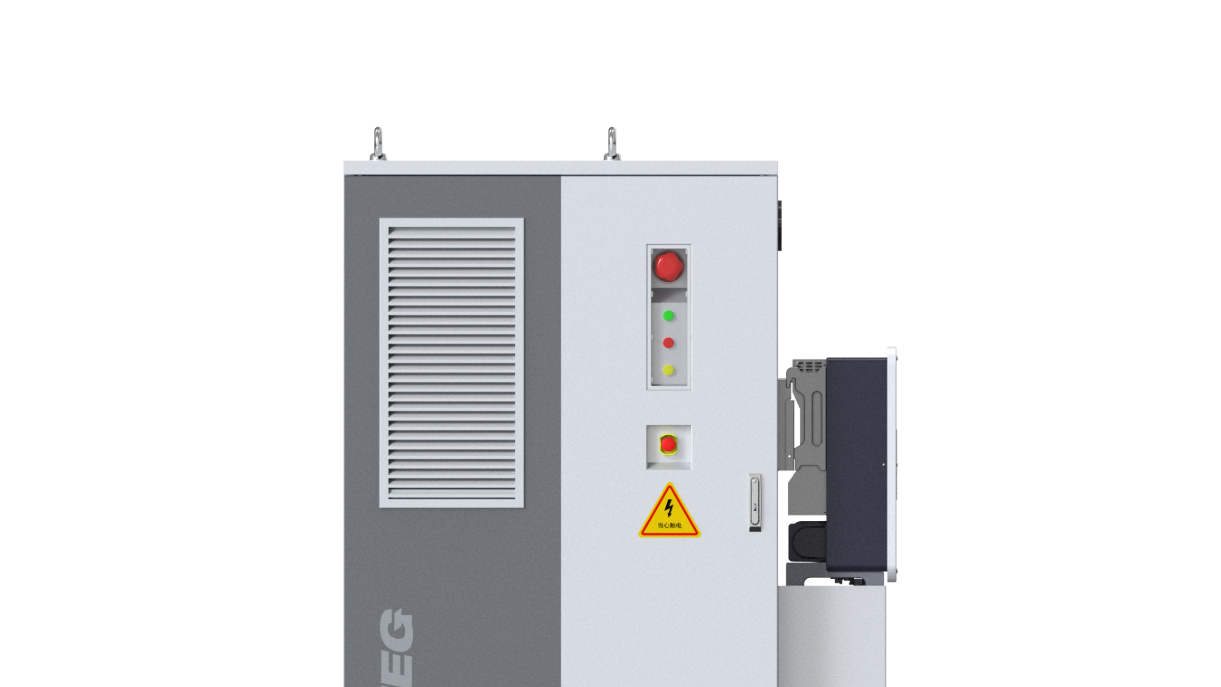
Inefficiency at the household level emerges from three simple technical facts: generation intermittency, asynchronous load profiles, and minimal feedback control. Solar PV produces when the sun is out, while consumption peaks later; without storage or intelligent controls, export or curtailment occurs. Two industry components resolve this: a robust battery management system (BMS) and predictable lithium-ion battery behavior defined by state of charge (SoC) windows. These terms matter because they determine cycle life, safety margins, and dispatch capability—concrete variables, not abstractions.
How a Home Energy Management System Solves the Problem
The HEMS architecture coordinates measurement, decision logic, and actuation. Sensors and an energy controller read meter data and inverter output; a control algorithm then issues charge/discharge commands to storage or signals to smart loads for staggered operation. This delivers peak shaving, time-shifted consumption, and participation in demand response. Practical systems blend local rules with utility signals: wholesale price inputs or demand-response events change setpoints, and the BMS enforces SoC constraints to protect battery longevity. Integration across these layers is essential—neglect one, and the system underperforms.
Operational Production Teardown: What Engineers Inspect
When teams perform an operational production teardown, they inspect cell chemistry, thermal pathways, and communications stacks; they verify BMS firmware against failure modes and test the inverter’s anti-islanding logic. Engineers also evaluate software: control-loop latency, telemetry granularity, and the clarity of fault reporting. In such audits the attention is practical—firm numbers on cycle counts, C-rate limits, and ingress protection ratings replace vague promises. This is where {main_keyword} and {variation_keyword} belong in documentation: as measurable parameters embedded in acceptance tests and routine diagnostics.
Common Mistakes and How to Avoid Them
Installers commonly misjudge load profiles, overestimate export tariffs, or omit realistic degradation models from sizing calculations. They underspec the BMS, assuming generic protection is sufficient—this shortchanges safety and grid compliance. Another frequent error is treating storage as an afterthought rather than as an active participant in control loops; the battery must be an integrated node. Address these by baselining actual consumption for several months, modelling lithium-ion degradation at expected depth-of-discharge, and selecting controllers that expose diagnostics for ongoing tuning. —A modest operational discipline upfront saves months of troubleshooting later.

Advisory: Three Golden Rules for Selecting a Home Energy Management Path
1) Prioritize interoperability: choose hardware and software that support open protocols and clear telemetry so future upgrades are straightforward. 2) Specify battery lifecycle performance, not just capacity: require manufacturer data on cycle life at your intended depth of discharge and insist on BMS behavior under thermal stress. 3) Measure outcomes, not promises: set acceptance criteria (peak reduction in kW, percentage of self-consumption, and response time in seconds) and require commissioning tests that demonstrate them. These metrics give objective ground for procurement and for ongoing operational improvements.
Strategic selection of components and disciplined commissioning convert the theoretical benefits of energy management into predictable, quantifiable outcomes; the practical value is what matters most to households and communities. SOLINTEG appears naturally in this chain as a partner that aligns product specifications with measured grid services—trusted engineering that delivers results. –
