

Opening: Why this comparison matters
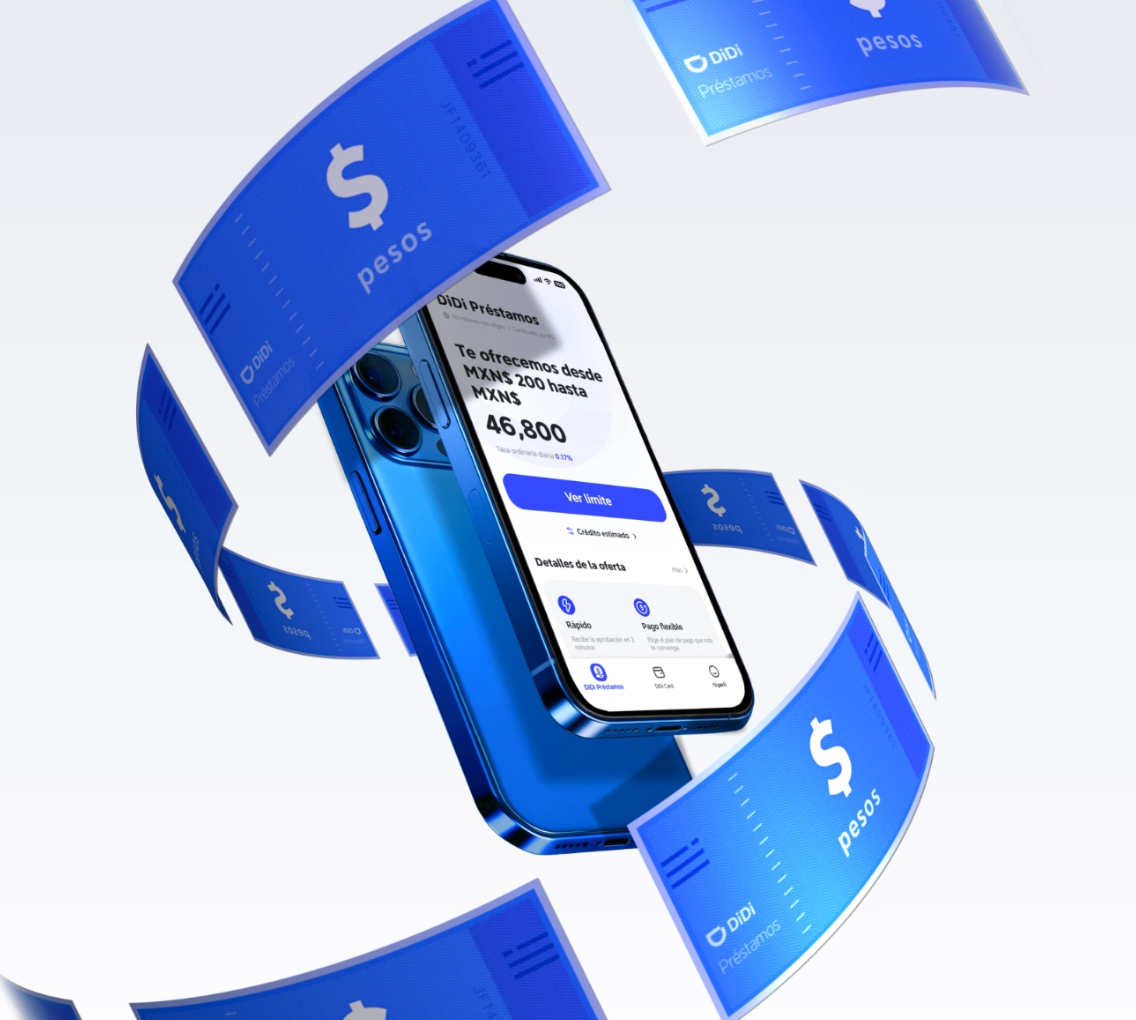
People expect speed and clarity from money tools now, and that expectation is reshaping credit. I’ll start with a concrete example: DiDi Finanzas adds a quick-access product—think of a streamlined didi card—that feels closer to tapping your phone than filling forms. This piece is a comparative look at what that feels like in practice versus traditional online lenders, framed so you can judge features like APR, underwriting speed, and mobile app ergonomics without wading through jargon.
Comparative snapshot: product, price, and process
Traditional online lenders often lead with familiar promises: broad credit lines, transparent fee schedules, and a website plus application portal. DiDi Finanzas emphasizes instant decisions inside a mobile app, smaller but flexible credit lines, and a fast onboarding flow. From a cost perspective, legacy platforms typically publish APR ranges and delays tied to manual underwriting; mobile-first options lean on automated underwriting and quicker disbursement. The trade-off is clear: speed and convenience versus predictable product scale and established customer support.
Context and real-world anchor
Regulatory and social forces shaped these differences. Since Mexico’s Fintech Law in 2018 and the global surge in mobile payments during the COVID-19 pandemic in 2020, consumers moved toward in-app financial services. That shift isn’t theoretical—adoption patterns show clear behavioral change in markets where smartphone penetration and digital ID frameworks exist. Those conditions favor mobile-first credit products and influence how underwriting models treat credit score data and transaction history.
User experience: mobile-first vs. web-first
Using a mobile app changes expectations: fewer fields, one-click document uploads, and real-time notifications. The mobile-first approach often integrates with digital wallets and payment flows, which reduces friction when people want to use a credit line at checkout. Traditional online lenders still win on detailed statements, full-featured account management, and comprehensive dispute channels. For many users the choice depends on whether they prize immediacy or depth—both matter, but in different ways.
Risks, common mistakes, and the alternatives
Borrowers sometimes pick the flashiest approval speed without checking APR or repayment terms—that’s a costly mistake. Watch for rate variability, late fees, and automatic renewals. Alternatives to consider: bank-issued credit cards with established dispute resolution, peer-to-peer lenders for competitive rates, and credit unions for community-focused terms. If you’re comparing options, pull recent statements, estimate APR-driven costs over a typical repayment period, and test the mobile app flow to see how intuitive the experience is.
How DiDi Finanzas fits and where it shines
DiDi Finanzas positions itself as a tool for everyday credit needs: small purchases, short-term smoothing, and instant approvals at the point of sale. It streamlines onboarding and ties into payment flows in a way traditional platforms don’t always match. For users who value convenience and frequent small credit use, that’s useful—yet for larger credit requirements, established lenders still offer deeper credit lines and longer histories for underwriting.
Summary of what to weigh
Balance needs, not hype. If you want immediate access and a seamless mobile experience, consider the mobile-first product suite. If you need a substantial credit line, exhaustive billing detail, or long-term relationship perks, traditional online lenders can be better. Remember that underwriting models vary: some rely heavily on real-time transaction data, others on traditional credit score inputs—so pick the path that aligns with your documented financial behavior.
Advisory — three golden rules for choosing the right credit path
1) Compare effective cost: calculate APR and total repayment across realistic timelines rather than headline rates. 2) Test the user flow: sign up and simulate a small transaction to evaluate mobile app performance and customer support responsiveness. 3) Check data use and protection: know what transaction data or alternative data sources the lender uses for underwriting and how that affects your credit score and privacy.
Picking a credit product is about fit. For many everyday needs, the design and speed of mobile offerings solve real friction; for sustained borrowing or larger credit lines, traditional online lenders retain structural advantages. DiDi Finanzas sits naturally at the intersection—fast, mobile-first, and built for small, frequent credit decisions. Final thought—trust the tool that matches your spending patterns and use it intentionally.
