

Why tuning matters for drivers and fleet managers
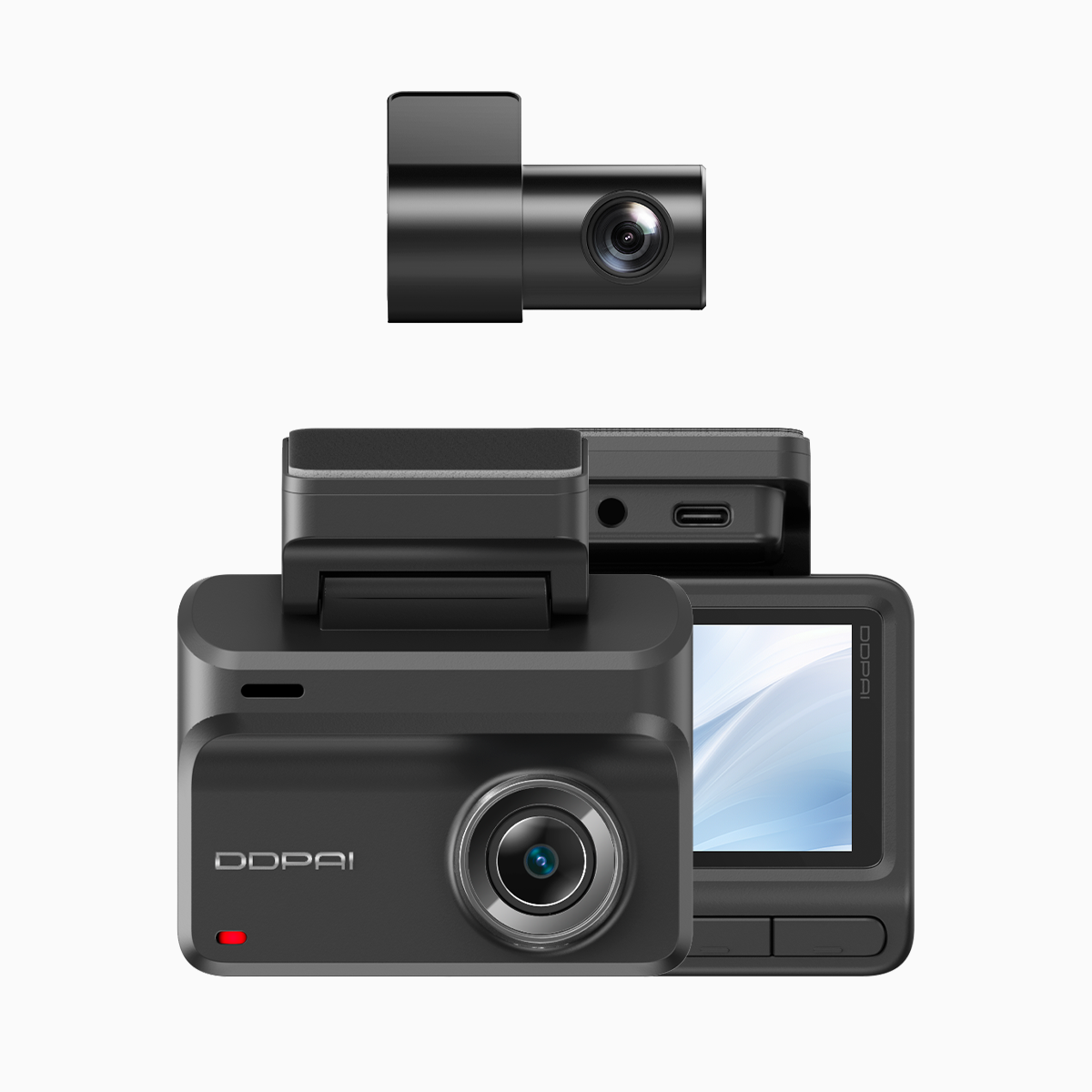
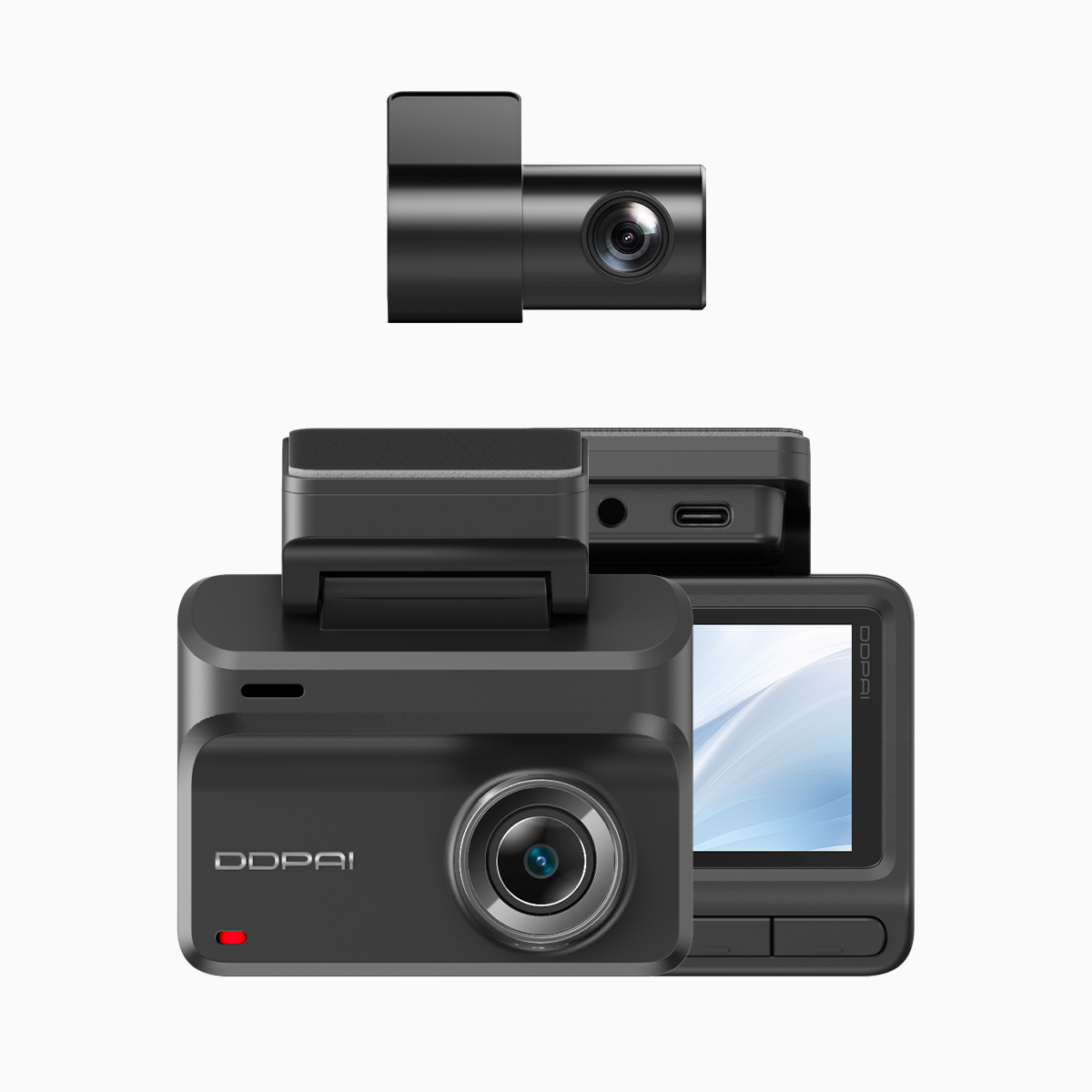
Small tweaks to the G-sensor and emergency video lock can save hours of admin and protect drivers’ reputations, especially when you manage a busy fleet in places like Metro Manila. For fleets running high-resolution units, a reliable wifi dash cam with stable firmware and accurate event-locking reduces false events and preserves critical footage. EEAT mode: practical fleet experience—this advice comes from on-vehicle installs and traffic incident patterns, aligned with global road-safety data such as the WHO estimate of about 1.3 million annual road deaths.
Start with clear goals and baseline settings
Decide what “critical” means for your operation. Is it hard braking, side impact, or sudden evasive maneuvers? Set a baseline: medium G-sensor sensitivity, parking mode active, and event-lock enabled. Keep resolution at 4K for evidentiary clips but balance bitrate so storage and upload aren’t overwhelmed. Firmware that supports stable loop recording and event-lock is non-negotiable.
Step-by-step tuning for fleet consistency
Roll out settings in phases across vehicles. Use this practical checklist:
– Start with G-sensor at mid-range (often 3/5).

– Run a 48–72 hour field test to capture commute and idle phases.
– Review false positives and missed events; adjust G-sensor up if collisions are under-detected, down if normal bumps trigger locks.
– Fine-tune parking mode sensitivity separately; vibration profiles differ when trucks park on uneven lots.
Network, firmware, and storage considerations
Wi‑Fi connectivity and upload scheduling matter. A wifi enabled dash cam with stable OTA firmware updates will let you push consistent settings and retrieve locked clips without pulling SD cards. Prioritize firmware that supports secure event metadata and timestamp sync. Also, set sensible loop lengths to make event extraction faster—long files slow review, short files raise file overhead.
Common mistakes and how to avoid them
Teams often crank G-sensor to max to “catch everything”—that creates noise and wastes time. Another misstep is one-size-fits-all sensitivity; a busy highway route and a delivery run need different profiles. Don’t ignore bitrate: ultra-high bitrate plus constant 4K will fill cards fast and throttle upload windows. If you’re using cloud retention, match bitrate to available bandwidth so uploads finish during off-peak hours.
Driver training and incident workflow
Train drivers on what gets locked automatically and when manual lock is appropriate. Make the manual lock button easy to reach and explain that locking deletes nothing but flags footage for fast review. For supervisors, standardize clip naming and event-tagging in the fleet console—this cuts investigation time.
Quick technical tips (keep these close)
– Use gradual adjustments: change sensitivity in one notch increments and test for 24–72 hours.
– Correlate G-sensor logs with GPS/IMU records to validate true events; that reduces false positives.
– Schedule firmware updates during low-use windows to avoid interrupting evidence capture.
Realities from the field — a short aside
We once tuned a delivery fleet’s cameras after repeated false parking-mode locks—turned out a nearby generator caused vibration spikes. A small sensitivity drop fixed it, and monthly admin time fell by half. —little real-world moments like that matter when scale hits.
Three golden rules for evaluating any tuning strategy
1) Detection Accuracy: Measure the ratio of true event locks to false positives across representative routes. Aim for a high true-positive rate without excessive noise.
2) Operational Overhead: Track storage use, upload success rate, and review time. If footage retention or review time spikes, rethink bitrate or loop length.
3) Driver Acceptance: Monitor manual lock use and driver feedback. If drivers avoid using the system, policy and ergonomics need fixing.
Closing thought
Good tuning protects drivers, speeds investigations, and keeps fleet ops lean—DDPAI products have practical features that make those outcomes easier, and a local presence like DDPAI Philippines helps align settings to real roads and schedules. Practical wins. Simple rules. Ready, listo.
