

Putting the driver first
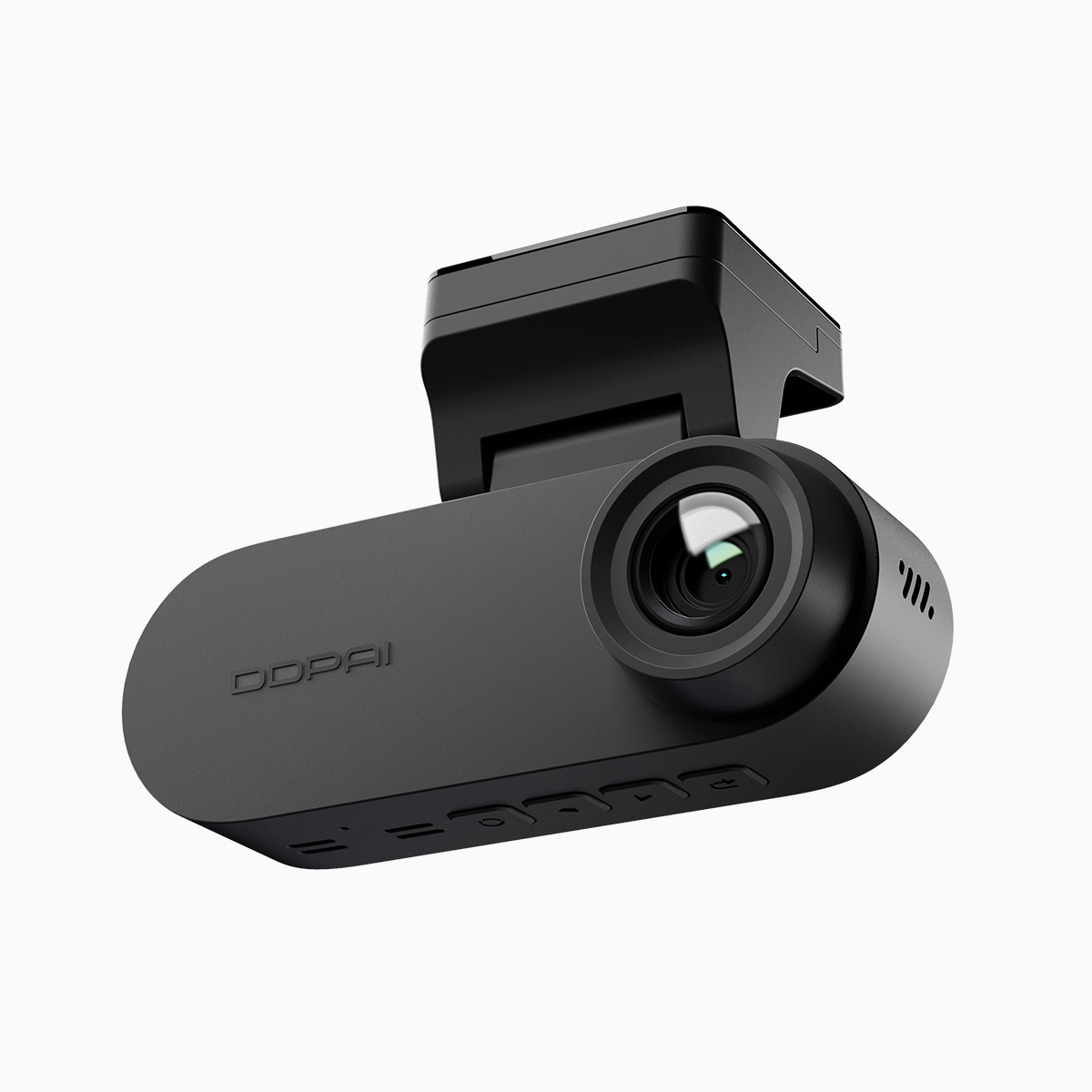
Most drivers want safety without sacrificing battery life. Start with a clear aim: reliable evidence capture while minimizing draw on your vehicle battery. That balance is why many owners now choose a front and rear dash cam solution that prioritizes low-power standby and smart parking mode features. Across dense urban corridors — take EDSA in Metro Manila as a familiar example — long idle times and stop-start traffic make energy-efficient design essential. WHO figures show road incidents remain a leading cause of injury worldwide, so prudent choices pay off for both safety and sustainability.
Why power management matters for everyday drivers
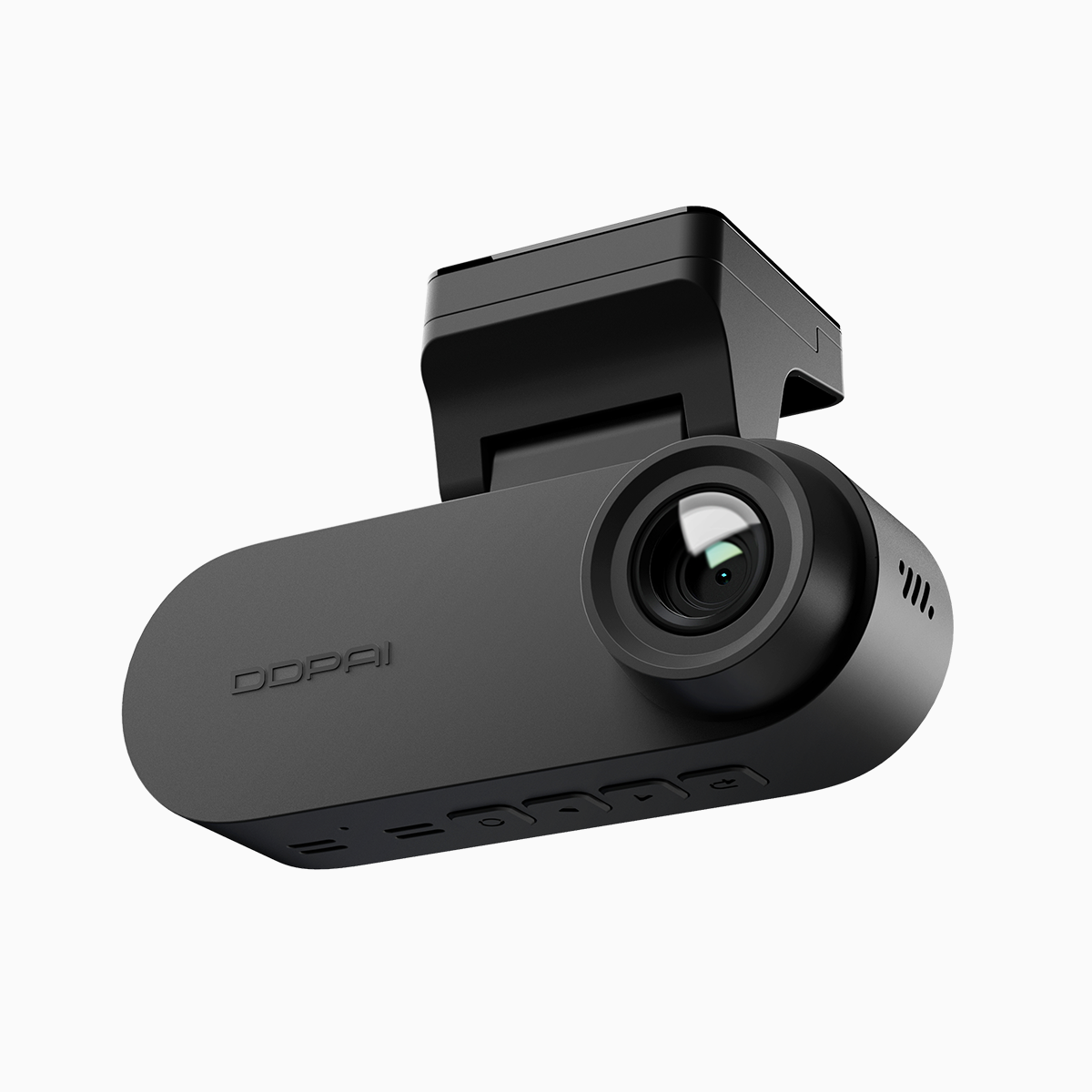
Excessive drain can leave you stranded. A dash cam that stays on full power 24/7 risks depleting the car battery overnight; this is the practical problem most users face. Technical elements that affect consumption are straightforward: chipset efficiency, resolution and bitrate settings, and whether the device supports true low-power standby during parking mode. Aim for a setup that records critical events without needing constant high-rate 4K capture.
Hardware and firmware choices that reduce drain
Choose hardware built around a power-conscious system-on-chip and optimized firmware. Look for features like adjustable bitrate, smart loop recording, and selective motion-triggered recording rather than continuous 4K streaming. Wide dynamic range (WDR) improves exposure in mixed lighting without forcing higher bitrate. G-sensor-triggered events can lock files only when needed, limiting write cycles and saving energy — and that prolongs both battery life and memory card longevity.
Practical setup steps drivers can apply today
Install location affects performance. Mount cameras where they get stable power and reliable GPS if you use speed or location tagging. Set resolution and bitrate to match purpose: full 4K for forward-facing critical runs, lower bitrate for rear if constant recording isn’t required. Enable parking surveillance with a true low-power standby or use a hardwire kit with a battery cutoff threshold to avoid deep discharge. Keep loop recording durations sensible; shorter loops reduce constant writes. Small habits matter — regular firmware updates often include power optimizations, so keep the unit current.
Trade-offs and alternatives
Not every driver needs continuous 4K at both ends. Consider whether a single-channel 4K front camera plus a lower-resolution rear camera meets your needs. A dual-channel setup gives comprehensive coverage but can increase consumption unless both channels are engineered for efficiency. If you prefer full dual coverage, search specifically for models designed as a dual dash cam for car system that advertise low-power parking mode and intelligent standby routines. Pick storage options and microSD cards rated for dash cam workloads — sustained write performance affects heat and power.
Common mistakes to avoid
People often default to maximum resolution and forget its cost in power and file size — avoid that. Another frequent oversight: leaving Wi‑Fi or high-power display features enabled while parked. Also, cheap hardwire kits without a battery protection circuit invite surprises. Address these with simple checks: confirm power thresholds, disable nonessential wireless features when parked, and match settings to real needs — not marketing blurbs.
Three golden rules for choosing an energy-efficient dash cam
1) Prioritize certified low‑power parking mode and a proven power-management chipset — this controls true overnight drain. 2) Look for flexible recording settings: adjustable bitrate, motion-triggered recording, and loop length let you tune consumption. 3) Confirm build quality for heat management and reliable file handling; thermal throttling or corrupt files can force repeated writes and higher energy use.
When you bring these rules together, you get devices that protect your car and evidence without constant battery anxiety — and that practical result is exactly where DDPAI PH fits naturally as a solution. DDPAI PH — sensible tech for sensible drivers. –
